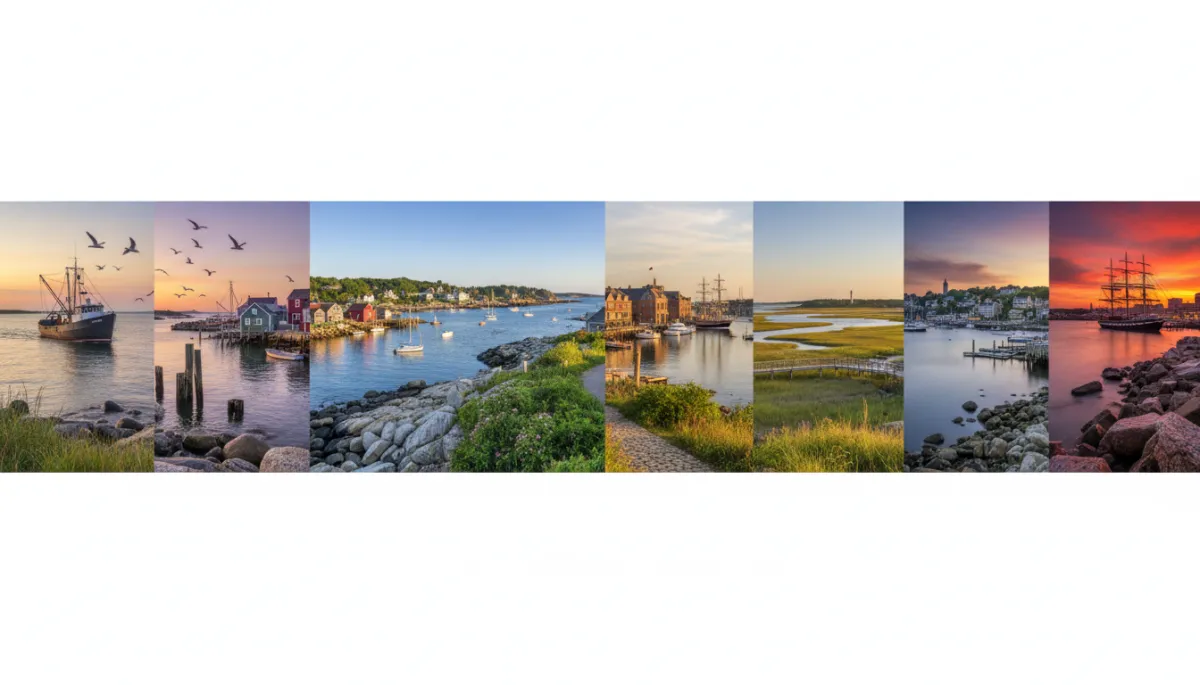
Explore 7 Scenic Harbor Walks on Boston's North Shore
Travel, Boston North Shore, Harbor Walks, Coastal New England
Seven Soulful Harbor Walks on Boston’s North Shore for Long Summer Days
The first light hasn’t quite burned the mist off Gloucester Harbor. Gulls wheel and cry above the docks, and somewhere out in the gray, a diesel engine rumbles to life. You lean on the rail, coffee cooling in your hands, and watch as a small fishing boat eases away from the pier, its deck lights glowing like a lantern heading for the edge of the world. The captain gives a quick wave to someone on shore, and just like that, another North Shore morning begins with salt, work, and quiet ritual.
This is what the North Shore does best: it invites you to slow down and walk. Harbor by harbor, town by town, these waterfront paths stitch together working docks, sandy coves, historic streets, and quiet corners where you can hear the slap of halyards against masts. Whether you’re a first‑time visitor or you’ve been coming here for decades, summer is when these harbors feel most alive—and most generous to anyone willing to explore on foot.
1. Gloucester Harbor Walk: From Working Waterfront to Wind‑Swept Point
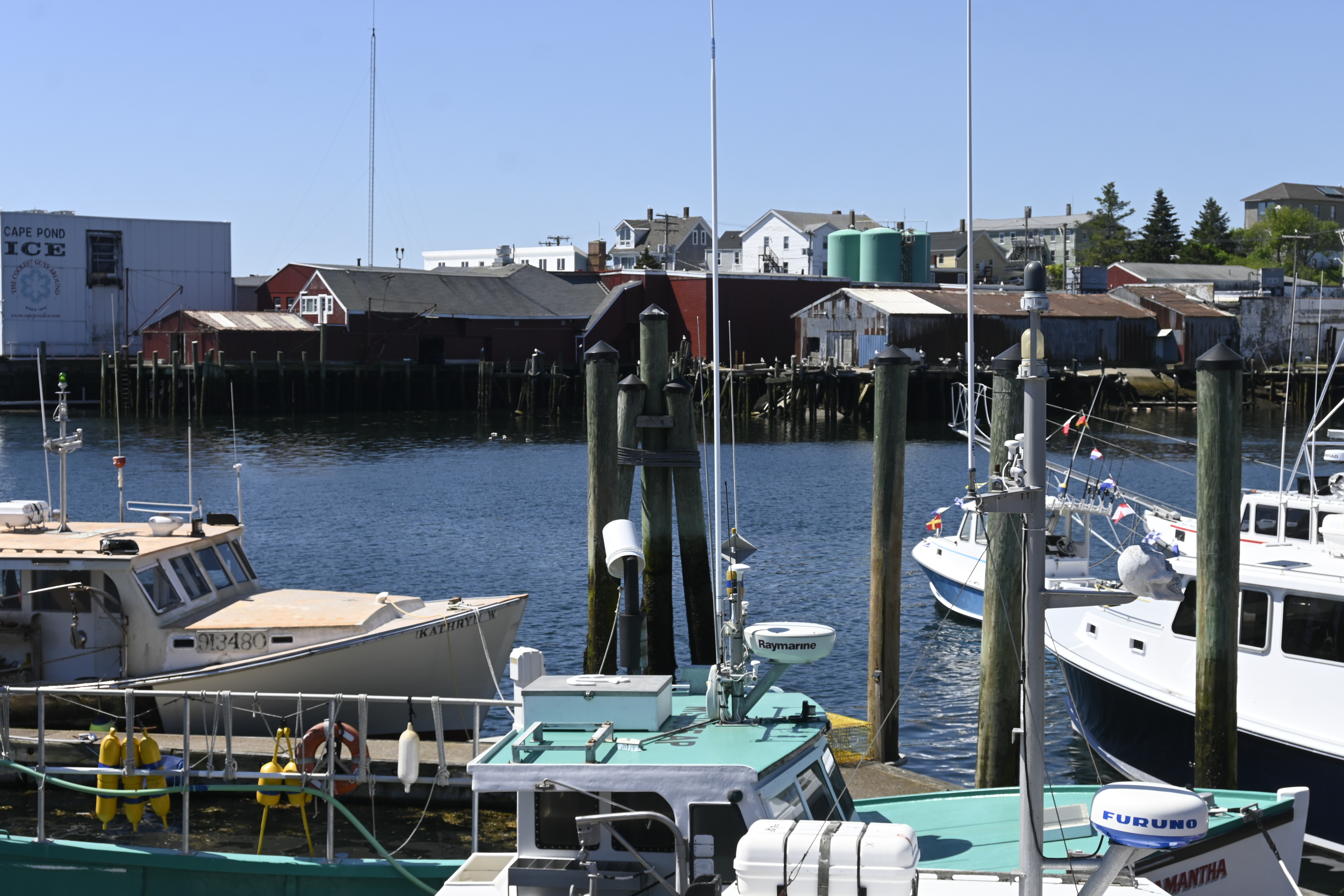
Gloucester is a harbor that wears its history on its sleeves. The HarborWalk threads along the inner harbor, where you’ll pass fishing vessels unloading their catch, weathered fish houses, and the kind of small maritime businesses that keep this working port humming. What makes this walk unique is the blend of real, present‑day industry with poignant nods to nearly 400 years of seafaring history.
As you follow the water’s edge, you’ll see trawlers tied up at the docks, stacks of lobster traps, and murals that tell stories of Portuguese and Italian fishing families. Interpretive signs along the HarborWalk share pieces of Gloucester’s past, from the famed schooner fleets to the storms that claimed so many lives offshore. The harbor opens and narrows as you go, revealing views back toward downtown and out toward the breakwater and Eastern Point Lighthouse guarding the outer harbor. For maps, event listings, and local tips, visit the city’s tourism site at https://www.discovergloucester.com.
Best time of day: Early morning is magic here. You’ll catch fishing boats heading out and the harbor slowly waking up, with soft light glinting off the water. Late afternoon into golden hour is another sweet spot, especially if you continue toward Stage Fort Park for broader harbor views and a sunset picnic. To plan a full day in town, check out https://www.massvacation.com for seasonal ideas across Massachusetts, including Gloucester highlights, and regional inspiration at https://www.northofboston.org.
Nearby attractions: From the HarborWalk, it’s an easy stroll to the iconic Gloucester Fishermen’s Memorial on Stacy Boulevard, honoring those lost at sea. Just beyond, Stage Fort Park offers beaches, picnic spots, and sweeping views of the harbor mouth. Art lovers can detour inland to the Cape Ann Museum, whose collection brings Gloucester’s maritime and artistic heritage to life; learn more at https://www.capeannmuseum.org.
Photography tips: Bring a zoom lens for boat details—nets, buoys, and hand‑painted transoms—and a wider lens for capturing the curve of the harbor and the skyline of church steeples and rooftops. Overcast days are excellent for photographing working docks without harsh shadows. For broader New England coastal photography ideas, the regional overview at https://www.newengland.com is a useful source of inspiration.
2. Rockport Harbor: Granite, Galleries, and a Sunset Stroll
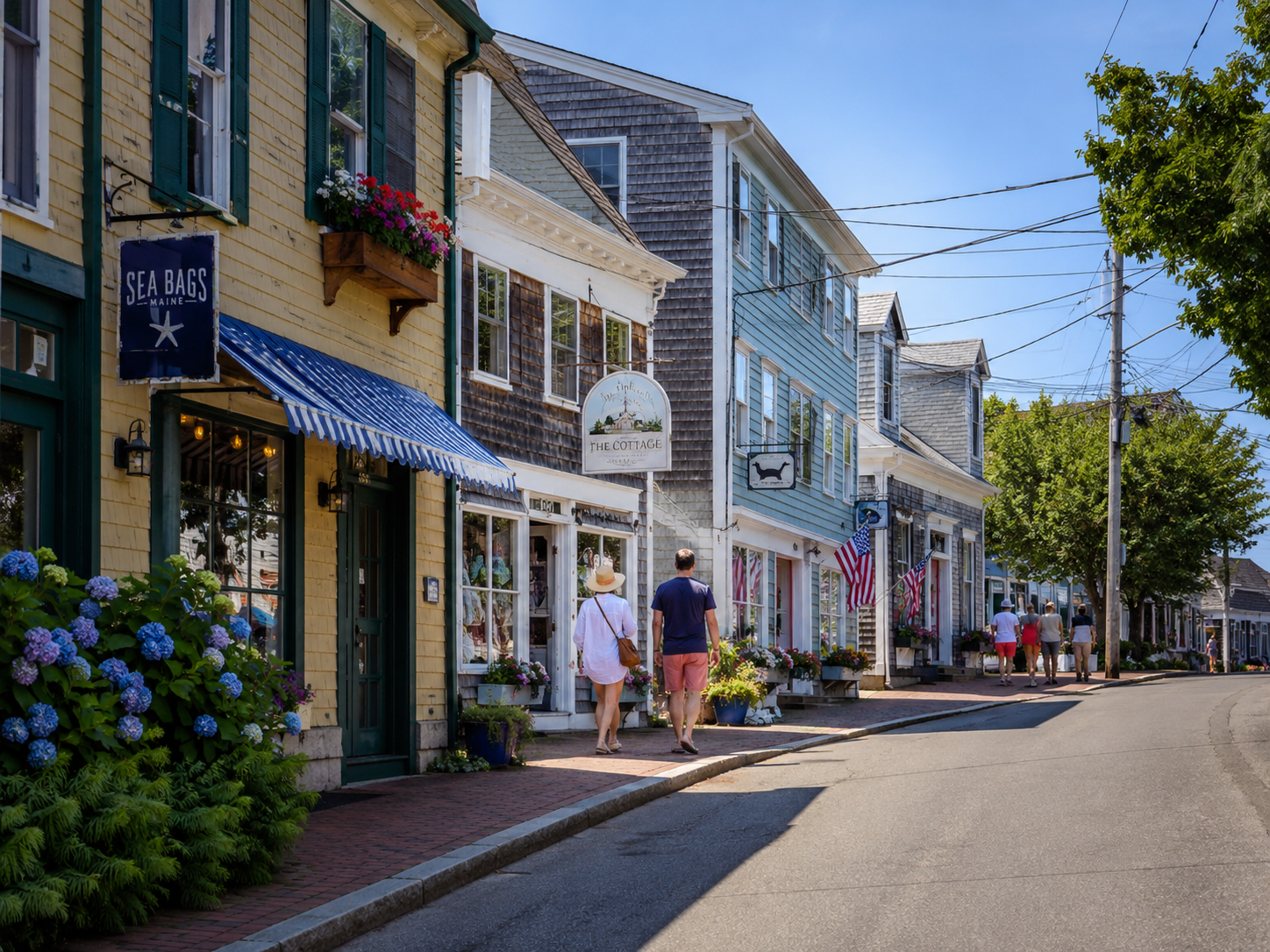
If Gloucester feels like a working novel, Rockport is the watercolor on the next page. Its small, protected harbor is framed by granite wharves and shingled buildings, many now home to studios and galleries. The star of the show is Motif No. 1, the red fishing shack often called the most‑painted building in America, perched right on Bradley Wharf. What makes this harbor walk unique is how compact and walkable it is—you can circle the inner harbor, wander side streets, and still feel anchored to the water the whole time. For town details and walking maps, visit https://www.rockportusa.com.
As you move along Bearskin Neck, you’ll see lobster boats tied up beside art galleries, families licking ice cream cones, and waves slipping between the breakwater stones beyond the harbor mouth. On clear days, the light here feels almost Mediterranean—bright, reflective, and constantly shifting. Step out toward the end of the breakwater and you’ll get a wide view back toward town, with church spires and rooftops clustered tightly around the harbor bowl. For more on the town’s artistic heritage, the Cape Ann arts overview at https://www.capeannartisans.com is a great resource.
Best time of day: Late afternoon into sunset is when Rockport Harbor really sings. The low sun warms Motif No. 1 and the granite piers, and the harbor becomes a stage for evening color. If you come earlier in the day, a quiet morning walk before the shops open lets you see the harbor in a more reflective mood, with just the sound of water and rigging for company. To pair your visit with a beach day, browse the state’s coastal access information at https://www.mass.gov/topics/beaches.
Nearby attractions: Just a short walk away, Front Beach and Back Beach offer sandy stretches perfect for a quick swim or a blanket‑on‑the‑sand lunch. The Shalin Liu Performance Center, overlooking the water, is a stunning venue for evening concerts—you can walk the harbor before a show, then settle into a seat with ocean views framing the stage. For a broader look at Cape Ann’s villages, including Rockport, the regional guide at https://www.capeannvacations.com is handy when planning your route between towns.
Photography tips: Motif No. 1 is irresistible, but try different angles—shoot from across the harbor, from the breakwater, and from the side streets above. Reflections in the still inner harbor can be beautiful on calm evenings. For sunrise and sunset times to plan your shots, the U.S. Naval Observatory’s data at https://aa.usno.navy.mil/data/RS_OneDay is a precise, no‑frills tool many local photographers quietly rely on.
3. Salem Harbor and Derby Wharf: History Under Your Feet
Salem’s harbor walk is where maritime history steps out of the textbook and into the salt air. The long finger of Derby Wharf reaches into Salem Harbor, lined with weathered brick warehouses and the Salem Maritime National Historic Site. What makes this walk unique is the sense that you’re moving through layers of time: clipper ships, privateers, and global trade routes all once pivoted around this waterfront. Today, the harbor is quieter, but the bones of that era are still here in the cobblestones, wharf pilings, and restored buildings.
Walking Derby Wharf, you’ll see sailboats swinging on their moorings, the replica tall ship Friendship of Salem (when in port), and interpretive panels that explain how this harbor once connected Salem to China, India, and beyond. At the far end, Derby Wharf Light stands small but sturdy, with a wide view back toward town and across to Marblehead. For deeper context on Salem’s waterfront, the National Park Service site above is an invaluable starting point, and the city’s tourism hub at https://www.salem.org offers walking maps and seasonal harbor events.
Best time of day: Late afternoon is ideal, when the red brick warehouses and the small lighthouse are warmed by the sun, and the harbor often settles into a gentle, glassy calm. Morning walks are quieter and cooler, especially in high summer, and you’ll share the wharf mostly with joggers and dog walkers. If you’re pairing your visit with museum time, the Peabody Essex Museum is a short walk from the harbor and easily fills a half‑day or more with world‑class art and maritime collections.
Nearby attractions: Beyond the historic site itself, you’re steps from the House of the Seven Gables, the historic waterfront museum complex linked to Nathaniel Hawthorne. The walk along Derby Street offers harbor views between houses, small parks, and piers. For more on Salem’s role in New England’s coastal story, the broader context at https://www.newenglandhistoricalsociety.com helps frame what you’re seeing at the water’s edge.
Photography tips: Derby Wharf is made for leading lines—use the long pier to draw the eye toward the lighthouse or back toward the city skyline. On hazy days, the distant outline of Marblehead adds depth. If you’re interested in photographing historic ships and harbors more broadly, the resources at https://www.mysticseaport.org (though based in Connecticut) offer excellent visual reference and background on traditional vessels similar to those that once filled Salem Harbor.
4. Marblehead Harbor: Neck, Causeway, and Harbor‑Side Lanes
Marblehead Harbor feels like a natural amphitheater of boats. In summer, hundreds of sailboats and moored yachts fill the protected basin, ringed by rocky headlands and historic homes. What makes this harbor walk unique is the variety of vantage points: from the causeway leading to Marblehead Neck, from Crocker Park’s high perch above the water, and from the narrow, old streets that occasionally spill out onto tiny harbor‑side landings. For town information and walking suggestions, start with https://www.marbleheadchamber.org.
As you walk along the harbor, you’ll see launch boats shuttling people to their moorings, junior sailing classes zig‑zagging across the water, and racing fleets forming up for evening regattas. The town’s Revolutionary War history is never far away—Marblehead calls itself the birthplace of the American Navy, and plaques around town explain the role local mariners played in early naval battles. For a regional maritime history overview that includes Marblehead, the Massachusetts Historical Society offers essays and primary sources that deepen what you’re seeing on the water today.
Best time of day: Evening is when Marblehead Harbor comes alive with sails. Walk the causeway as the sun drops and you’ll see the harbor speckled with boats returning from day sails and races. Mornings are quieter but equally beautiful, with soft light illuminating the town’s jumble of roofs and steeples. For tide information—useful if you’re planning to explore small shorefront parks or rocky outcrops—check the state’s coastal data at https://www.mass.gov/service-details/tide-charts.
Nearby attractions: From the harbor, it’s an easy walk up to Old Town, where narrow lanes, 18th‑century houses, and small shops create a village‑like feel. Chandler Hovey Park, out on Marblehead Neck, offers one of the best panoramic views of the harbor and a close look at Marblehead Light. For a broader view of boating culture in the area, the Massachusetts boating safety and access information at https://www.mass.gov/boating is a surprisingly engaging rabbit hole for anyone curious about how these crowded harbors function safely.
Photography tips: From Crocker Park, you can frame the harbor with foreground rocks and trees, creating depth and a sense of scale for the boat‑filled basin. On foggy mornings, the masts fade into soft silhouettes. For inspiration on capturing classic New England harbor scenes, browse the coastal photography features at https://www.bhphotovideo.com/explora, which often include tips tailored to seascapes and boat‑filled horizons.
5. Beverly Harbor and Lynch Park: A Local’s Everyday Waterfront
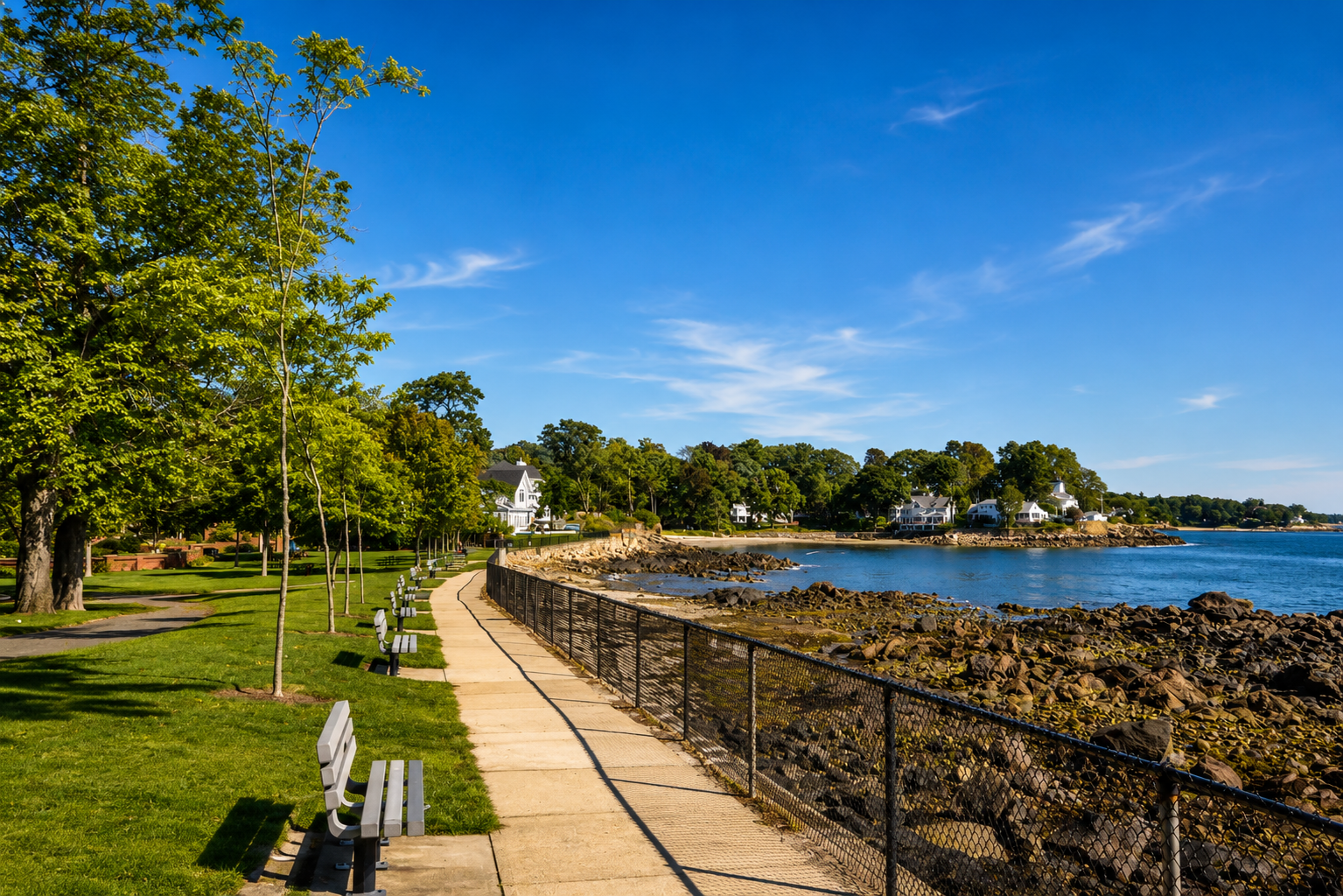
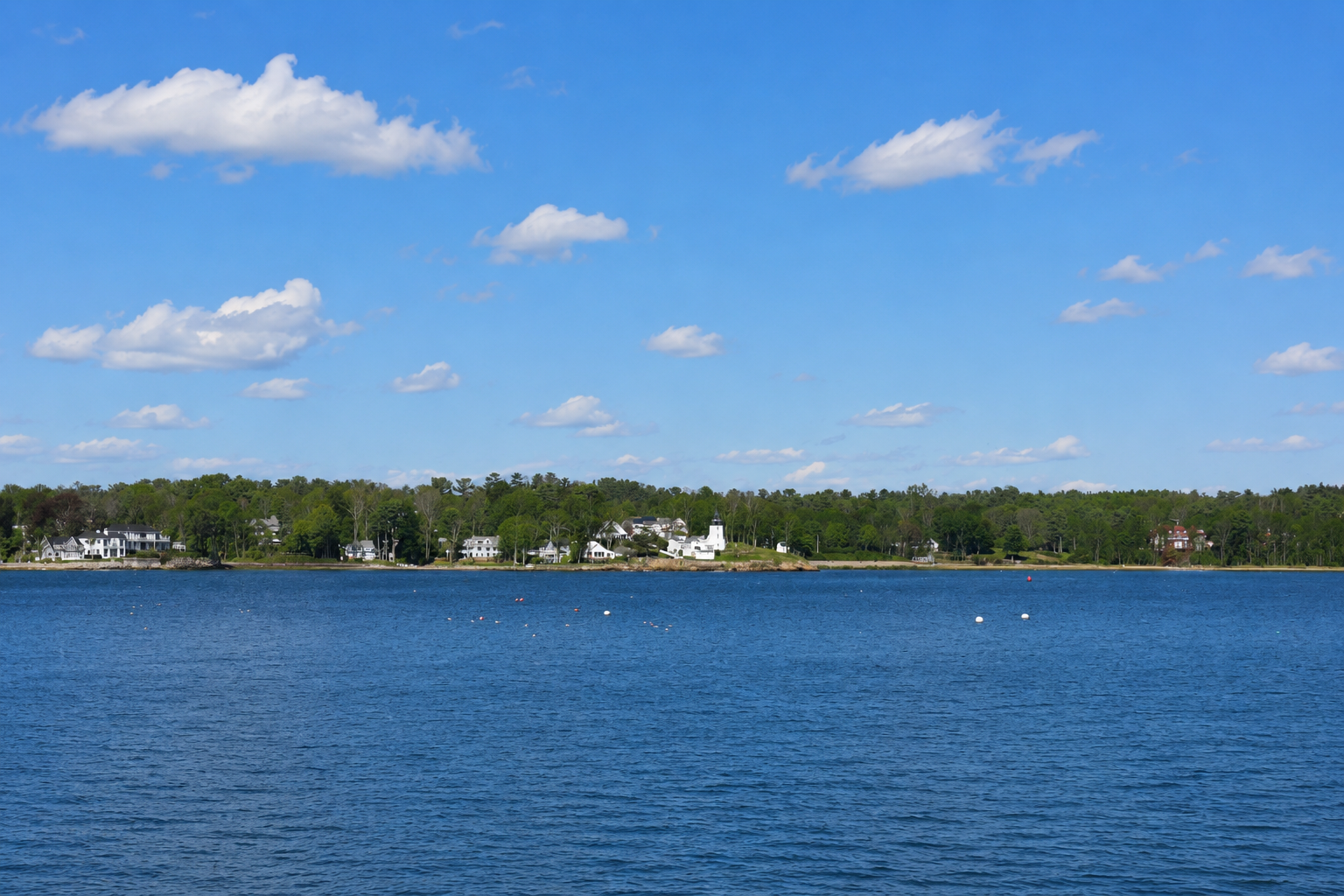
Beverly’s harbor doesn’t shout; it nods hello like a neighbor you see on your daily walk. Stretching along the waterfront from the working marinas near Bridge Street to the lawns and beaches of Lynch Park, this harbor walk is as much about everyday coastal life as it is about scenery. What makes it unique is the blend of small‑scale marine industry—boatyards, moorings, and launch ramps—with parks and residential streets that give you a sense of how people actually live with the water here. For local event listings and waterfront updates, see https://www.beverlyma.gov.
Walking along the harbor, you’ll see pleasure boats coming and going, kids fishing off small piers, and kayakers slipping along the shoreline. At Lynch Park, the harbor opens into a wide view toward Salem and the open bay, with rose gardens, lawns, and a small beach inviting you to linger. In the late 19th century, this was the site of President Taft’s “Summer White House,” and interpretive signs share that story along with photos from the era. For a broader look at Massachusetts’ tradition of summer retreats, the historical overviews at https://www.massmoments.org add a layer of context to what feels, at first glance, like just a pretty park by the sea.
Best time of day: Late afternoon is ideal, especially if you end at Lynch Park to watch the sky change over the harbor. Mornings are wonderful for quieter walks along the marinas and for watching rowers and paddleboarders take advantage of calm water. If you’re traveling by commuter rail, schedules and connections that drop you near the harbor are available at https://www.mbta.com, making Beverly one of the easier North Shore harbors to explore car‑free.
Nearby attractions: Downtown Beverly, just inland from the harbor, offers an easy cluster of cafes, breweries, and small shops. The Historic Beverly sites, including old houses and a maritime‑focused collection, are a short walk or drive away and help connect the everyday harbor you’re seeing with the town’s deeper story. For trails and green spaces that link back toward the coast, the Essex County Greenbelt Association at https://www.ecga.org lists nearby preserves that pair nicely with a harbor stroll.
Photography tips: Beverly Harbor rewards patient, observational photography: a single dinghy tied to a weathered float, reflections of masts in the ripples, or families spread out on the lawns of Lynch Park with the harbor as backdrop. On hazy days, the distant outline of Salem across the water adds a subtle second layer to wide shots of the bay.
6. Newburyport Waterfront Promenade: River Meets Sea
At the northern edge of Boston’s North Shore, Newburyport’s harbor walk follows the Merrimack River as it widens and leans toward the Atlantic. The Waterfront Park and Boardwalk give you a front‑row seat to a different kind of harbor life: fishing boats and whale‑watching vessels share the channel with sailboats, small cruise boats, and the occasional tall ship. What makes this walk unique is the interplay between river and ocean—you can feel the pull of the tide and see how this historic port has always been a threshold between inland and offshore worlds. For visitor information and seasonal harbor events, see https://www.newburyportchamber.org.
As you move along the boardwalk, you’ll see boats sliding under the Route 1 bridge, kids leaning over railings to watch fish and crabs below, and couples perched on benches facing the water. Interpretive signs point out the town’s shipbuilding past and the once‑bustling trade that made Newburyport a wealthy port in the 18th and 19th centuries. Across the river, the green line of Salisbury and the low dunes of Plum Island remind you how close the open ocean really is. For a sense of the broader river system you’re standing beside, the Merrimack River Watershed Council offers maps and stories that follow the river from New Hampshire to the sea.
Best time of day: Golden hour here is hard to beat, especially when the tide is high and the river reflects the sky. Morning walks are peaceful, with soft light on the brick facades of downtown and working boats heading out. If you’re considering a whale‑watch or river cruise, check local operators’ schedules in advance through the chamber site above or via regional listings on https://www.visitma.com, which aggregates many coastal experiences across the state.
Nearby attractions: Just steps from the boardwalk, downtown Newburyport offers brick‑lined streets, boutiques, and restaurants housed in restored mercantile buildings. A short drive or bike ride brings you to Parker River National Wildlife Refuge on Plum Island, where barrier beaches, dunes, and salt marshes show a wilder side of the coast. If you’re interested in birding along the harbor and nearby refuge, the Mass Audubon site is a great place to learn what species you might spot in summer.
Photography tips: Look for patterns: pilings marching into the river, rows of moored boats, and the contrast between dark water and sunlit brick. On foggy days, the bridge and opposite shore fade into soft shapes that can make for moody, minimalist compositions.
7. Manchester‑by‑the‑Sea Harbor: A Quiet Cove with Classic Charm
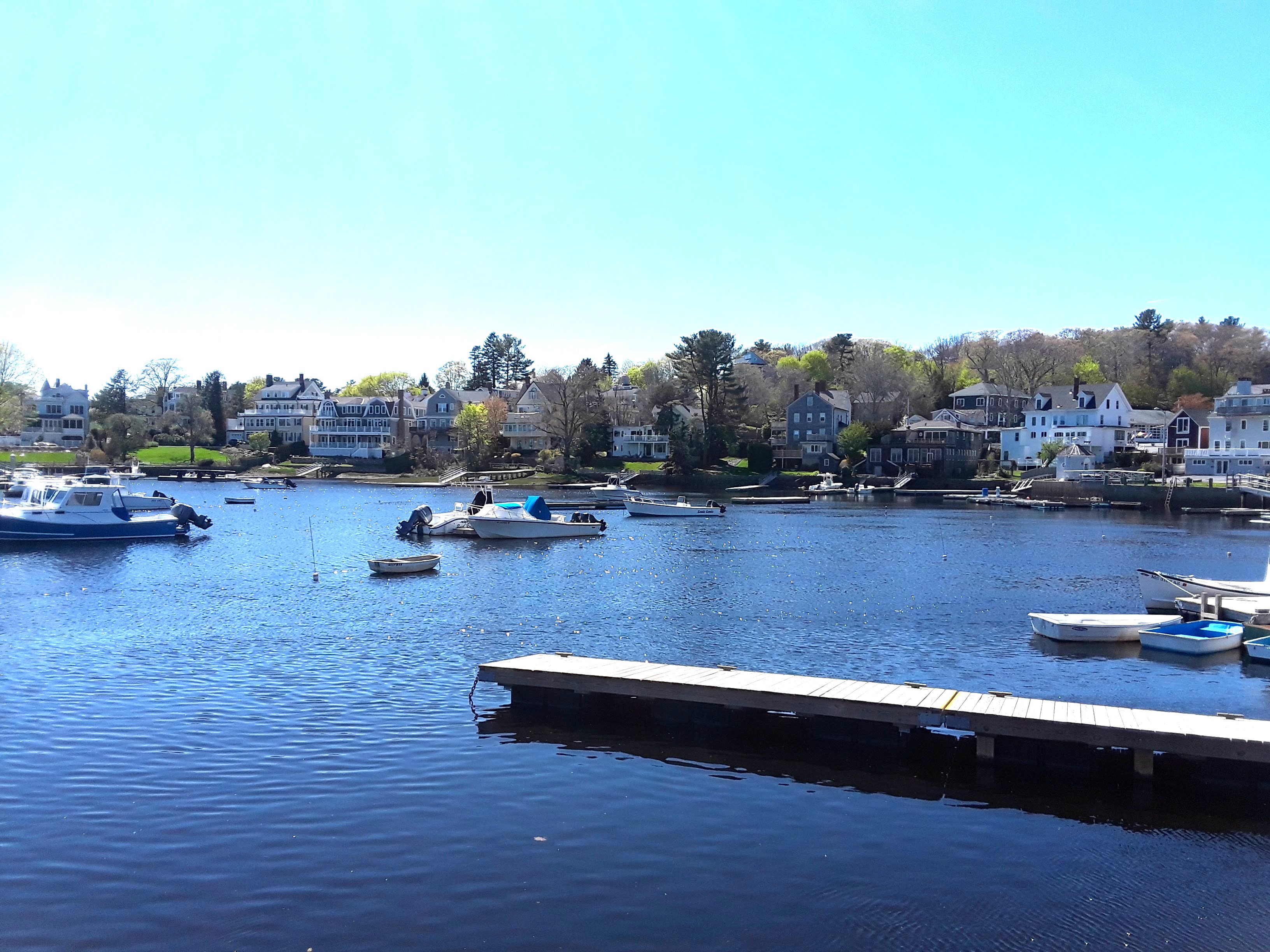
Smaller and more sheltered than some of its neighbors, Manchester Harbor feels like a secret you’re being let in on. Tucked into a deep, narrow inlet, it’s lined with marinas, moorings, and wooded shores that give it a distinctly intimate feel. What makes this harbor walk unique is the way it reveals itself gradually as you follow the water from the town center out toward the open bay. For town services and harbor information, start with https://www.manchester.ma.us.
From the small harborfront park near the train station, you can watch launches ferrying people to and from their moored boats, kids learning to sail in prams, and the occasional lobster boat slipping through the channel. A short walk brings you to Singing Beach, where the sand literally “sings” underfoot on dry days thanks to its unique grain size—a local delight that has charmed generations. For a broader look at Massachusetts’ geologic quirks, including beaches like this, the educational resources at https://www.mos.org (Museum of Science, Boston) offer kid‑friendly explanations that make natural phenomena feel even more magical when you encounter them in person.
Best time of day: Late morning into early afternoon is lovely here, especially if you’re pairing a harbor stroll with a few hours on the beach. For quieter harbor views, come in the early evening, when the light softens and boat traffic eases. If you’re traveling by train, the MBTA’s Newburyport/Rockport line schedule at https://www.mbta.com/schedules/CR-Newburyport/timetable makes it easy to plan a car‑free day that links Manchester with other harbor towns along the line.
Nearby attractions: Beyond Singing Beach, a network of quiet residential streets and small conservation areas gives you chances to wander under trees and glimpse the harbor from different angles. For regional trail systems that connect inland woods to the sea, the Trustees of Reservations maintain several nearby properties where forest paths end in sudden, spectacular views of open water and rocky shoreline.
Photography tips: Manchester Harbor is all about intimacy: close‑up shots of boats tucked into narrow coves, reflections of trees in still water, and the soft curves of the harbor channel leading the eye out toward the bay. On clear evenings, look west from the harbor park for gentle pastel skies over the moored boats.
Final Thoughts: Walking the Working Waterfronts of the North Shore
Walk enough of these harbors, and you start to notice the small, steady rhythms that tie them together. The early‑morning clank of a gangplank in Gloucester isn’t so different from the soft thud of a dinghy against a float in Marblehead, or the murmur of a launch engine in Manchester Harbor at dusk. Each place has its own character—Rockport’s galleries and granite, Salem’s layered history, Newburyport’s river‑to‑sea threshold—but beneath it all runs the same current of people and boats and tide, shaping and reshaping these communities over centuries.
In summer, when the days are long and the harbors are busiest, these waterfront walks offer a way to step into that story without rushing. You can linger over a plaque that names lost fishermen, watch a junior sailor tack cleanly across a crowded mooring field, or simply sit on a bench and let the harbor move around you—boats coming and going, gulls arguing overhead, the smell of bait and sunscreen and cut grass mingling in the air. It’s in these in‑between moments, somewhere between a working dock and a sunset promenade, that the North Shore’s maritime heritage feels most alive and most generous to visitors.
However you map your own route—stringing together big names like Gloucester and Salem, or seeking out smaller coves and quieter corners—let the harbors set the pace. Follow the curve of a wharf just to see what’s at the end. Pause when a boat horn sounds or a bell buoy rings. Ask a local about the best spot to watch the boats come in. By the time you’ve walked these seven harbors, you’ll have more than photos and sea air in your lungs; you’ll carry a deeper appreciation for the North Shore’s working waterfronts, its stubborn, salt‑etched resilience, and the harbor communities that still turn, day after day, on the pull of the tide.
Harbor Walks Q&A: Planning Your North Shore Day Out
📌 Key Takeaway: These Q&A notes gather the most common trip‑planning questions so you can spend less time researching and more time walking the water.
Q: Do I need a car to explore these seven harbor walks?
A: A car makes it easier to string several harbors together in one long day, but you can absolutely explore many of them without one. Salem, Beverly, Manchester‑by‑the‑Sea, and Newburyport all sit on the MBTA’s Newburyport/Rockport commuter‑rail line, with stations a short walk from the water. Gloucester and Rockport are also rail‑accessible, though the walks from the stations are a bit longer. If you’re planning a car‑free trip, start by checking schedules at https://www.mbta.com and the specific line timetable at https://www.mbta.com/schedules/CR-Newburyport/timetable, then build your harbor days around those arrival and departure times.
Q: How long should I plan to spend at each harbor?
A: If you’re a fast walker, you can cover the core waterfronts in an hour or two—but the point of these places is to slow down. A good rule of thumb is:
Gloucester, Salem, Marblehead, and Newburyport: Plan a half‑day each so you can walk, linger at overlooks, and duck into museums or cafes.
Rockport, Beverly, and Manchester‑by‑the‑Sea: Two to four hours works well, especially if you pair the harbor walk with a beach, park, or concert.
If you’re combining towns in a single day, consider pairing a busier, museum‑rich harbor like Salem or Gloucester with a quieter, more contemplative one like Manchester or Beverly so the day has a natural rhythm.
Q: What should I pack for a full day of harbor walking in summer?
A: Coastal New England weather can flip from hot sun to cool sea breeze quickly, even in July and August. A light daypack with a few basics will make your walks much more comfortable:
Comfortable walking shoes or sandals that can handle uneven wharves and cobblestones
A light layer or windbreaker for breezy points and evening strolls
Sunscreen, sunglasses, and a hat—the reflection off the water can be intense
A reusable water bottle and a small snack so you can linger at overlooks without rushing back to town
Optional: a compact binocular or small zoom camera lens if you love watching boats and shorebirds
💡 Pro Tip: Even on hot days, pack one extra warm layer. Harbors that feel summery in town can turn surprisingly cool and breezy at the end of a long wharf or out on a granite point at sunset.
Q: Are these harbor walks suitable for kids and less‑experienced walkers?
A: Yes—most of these routes are very family‑friendly, with plenty of benches, parks, and short segments that work well for all ages. Newburyport’s boardwalk, Beverly’s Lynch Park, and the central parts of Rockport and Salem are especially good for strollers and shorter legs, thanks to their relatively flat, paved paths and easy access to bathrooms, snacks, and green space.
The more rugged or extended options—like walking out the Marblehead causeway or exploring rockier edges near Gloucester and Manchester—are best for kids who are steady on their feet and comfortable near water. Wherever you go, keep an eye on tides, wet rocks, and unfenced edges along piers and seawalls.
Q: When is the “sweet spot” in summer to visit these harbors?
A: Each month has its own flavor:
Late June: Long days, lively but not yet peak‑crowded, especially on weekdays.
July: Classic summer energy—festivals, concerts, and fully awake waterfronts. Parking and restaurant waits will be longest, but the harbors feel electric.
August: Warm water for beach breaks, slightly softer light, and a subtle winding‑down toward late summer.
If you like space to yourself, consider early‑morning walks or weekday visits, even in high summer. For seasonal event calendars that might shape your timing, the regional sites you’ve already seen—like https://www.northofboston.org, https://www.visitma.com, and the individual town tourism pages—are worth a quick check before you go.


