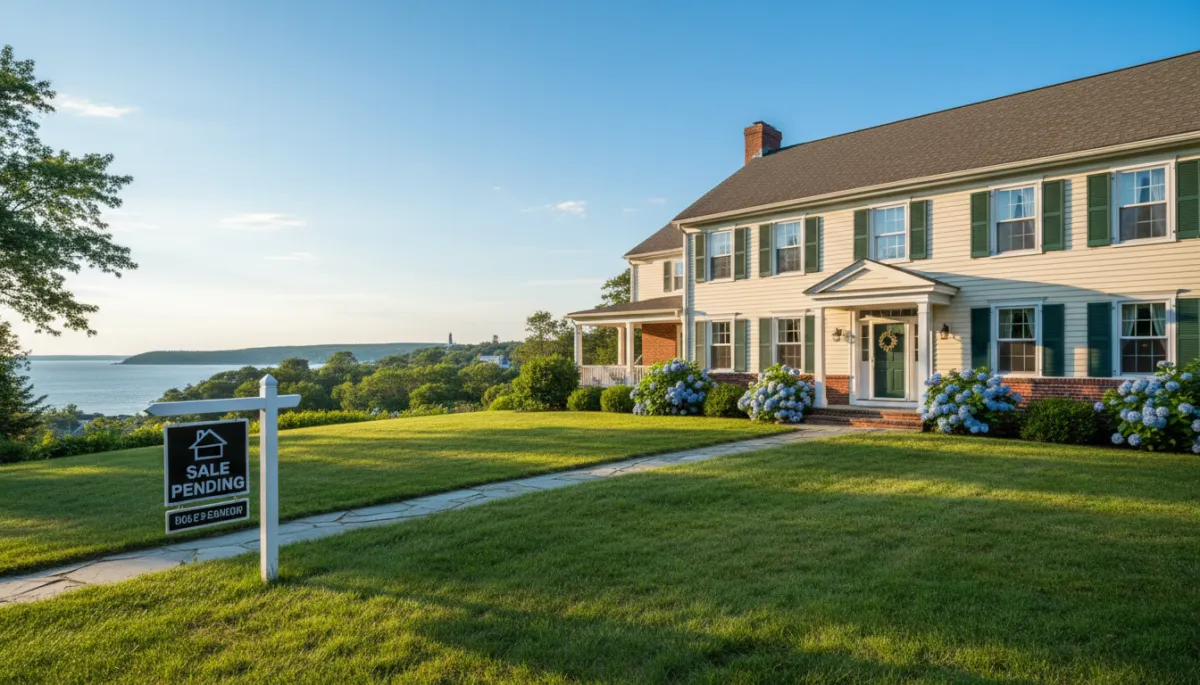
North Shore MA: Steps Before Real Estate Closing
Buyer & Seller Tips, under contract North Shore MA, real estate closing process North Shore
Under Contract on the North Shore: What Happens Before Closing
What to expect in the 45 days between your accepted offer and closing day on the North Shore, written for active buyers and sellers in Essex County Massachusetts.
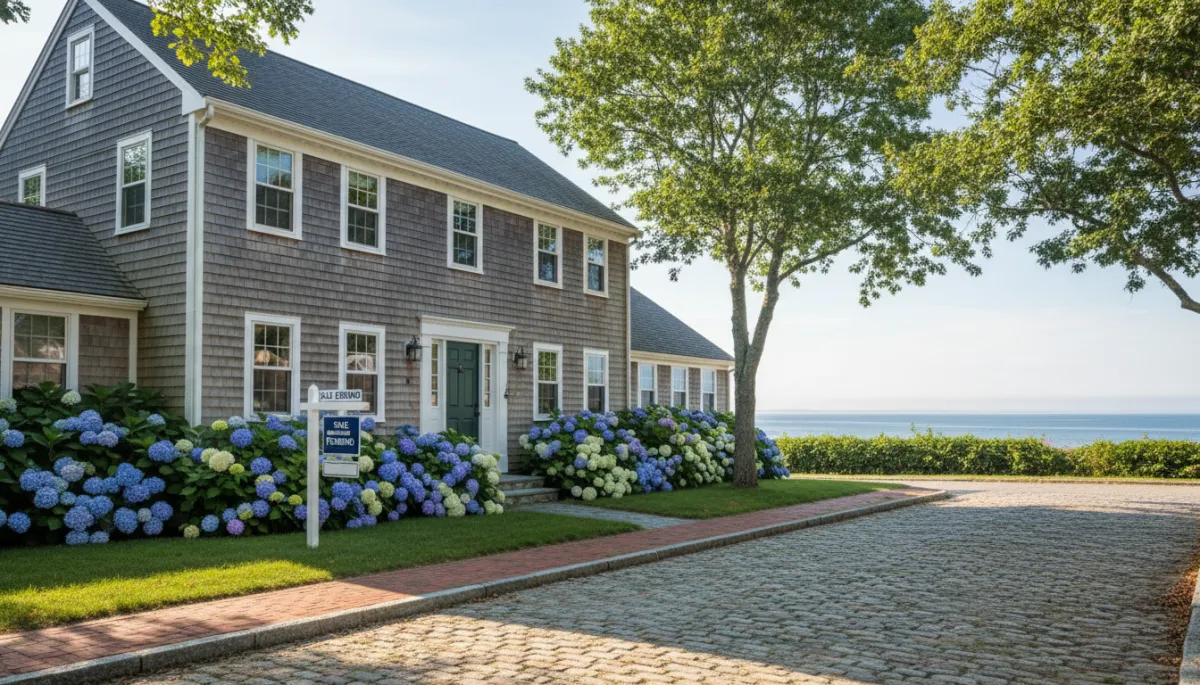
The email lands while you are rinsing dishes or pulling into your driveway in Beverly, Salem, or Gloucester. Offer accepted. For a minute, your shoulders drop. You picture your furniture in that front room, smell low tide on a July morning, hear gulls over the harbor.
Then the questions start. What happens now? Who calls whom? When do you move money? Can this still fall apart? You are under contract North Shore MA style, which means the next 30 to 45 days are busy, structured, and very local in flavor. The more you understand this window, the calmer you will feel as each step hits your inbox.
The First 72 Hours After Your Offer Is Accepted
Those first three days move fast. In Massachusetts, you usually start with a short Offer to Purchase, then move to the full Purchase and Sale Agreement within about a week to ten days. Your actions in this early stretch set the tone for the whole real estate closing process North Shore buyers and sellers go through.
- Pay your initial deposit (often $1,000–$5,000). This earnest money shows you are serious and is usually due within 24 hours of acceptance.
- Contact your attorney. Massachusetts is an attorney state, so both sides have lawyers. Your attorney reviews the offer, negotiates the Purchase and Sale, and protects your deposit and timelines.
- Schedule your home inspection. On the North Shore, good inspectors book quickly, especially in spring and early fall.
If you are financing, you also confirm your pre-approval and start your full loan application. If you have not already compared lenders, this is when your earlier work to get pre-approved with a local lender pays off. Local lenders know Essex County appraisers, flood maps, and condo rules, which can keep your file moving on schedule.
The Inspection Period on the North Shore

A detailed inspection now can prevent expensive surprises after closing.
Your inspection window is usually 7 to 10 days from acceptance. Under current Massachusetts rules, sellers cannot require you to waive your inspection rights just to get your offer accepted. You receive a written disclosure explaining your right to inspect, and you sign it before or with your first contract, per state guidance on residential inspections.
On the North Shore, inspections often feel different than in newer suburbs. You are dealing with salt air, older construction, and sometimes rural systems. Here is what tends to come up:
- Older homes. Pre-1920 houses are common in Gloucester, Rockport, Salem, and Marblehead. Expect notes about knob-and-tube wiring, fieldstone foundations, and past renovations layered over time. Your inspector looks closely at structure, electrical, and moisture.
- Coastal issues and flood zones. In low-lying parts of Ipswich, Newburyport, and Gloucester, you may see comments about flood vents, water in basements after nor’easters, and FEMA flood maps. Your lender may require flood insurance if the home sits in a mapped zone.
- Private wells and septic systems. In rural Essex County towns like Essex, Hamilton, and Topsfield, public water and sewer are not a given. You may order separate well, water quality, and Title 5 septic inspections to understand your long term costs.
- Oil tanks in older colonials. Many classic colonials still heat with oil. Your inspector looks for active or abandoned tanks, inside and underground. An undisclosed buried tank can delay closing until it is properly addressed.
After the inspection, you decide whether to accept the home as is, ask for repairs or credits, or walk away under your contingency. Your attorney folds any agreed repairs or credits into the Purchase and Sale so everyone is clear before you put down your larger deposit, usually around five percent of the price.
Your Mortgage Commitment: The Deadline That Matters Most

Your mortgage commitment date protects your deposit and keeps closing on track.
Once inspections are behind you and the Purchase and Sale is signed, the focus shifts to your lender. Most Massachusetts Purchase and Sale agreements give you about 21 to 35 days from signing to deliver a written mortgage commitment from a licensed lender. That date is circled in red on every attorney’s calendar, because your deposit is now significant.
During this time, the lender orders the appraisal, reviews your income and assets, and checks the property against their guidelines. Delays here are a common reason closings slip. Responding quickly to document requests and keeping your finances steady helps you stay on track toward that commitment letter.
What Happens If You Miss the Mortgage Commitment Date
If the commitment date arrives and you do not yet have clear written approval, you are not stuck, but you do need to move carefully. Your attorney may:
- Request a written extension from the seller, giving your lender more time to finish.
- Send notice that financing has not been obtained, which, under your contingency, can allow you to walk away and recover your deposit if the seller will not extend.
Missing the date without proper notice can put your deposit at risk. This is why staying in tight contact with your lender and attorney during this stretch matters so much. The goal is a clean, unconditional commitment that lets everyone relax a bit and focus on closing logistics.
The Title Search on the North Shore
While you are thinking about boxes and paint colors, your closing attorney is deep in the Registry of Deeds. In Essex County, that often means paging through records that stretch back more than fifty years, sometimes into colonial times. The goal is simple: confirm the seller truly owns what you are buying and that no one else has hidden rights to it.
On the North Shore, title searches can uncover:
- Old easements or rights of way, especially in areas where parcels were split off larger farms or estates in Ipswich, Essex, and Hamilton.
- Water rights or access paths to marshes, rivers, or the ocean, which can affect how you use the land.
- Old mortgages that were paid off but never properly discharged, tax liens, or other claims that must be cleared before closing.
Your attorney resolves these issues with the seller’s side and orders title insurance for both you and your lender. For a deeper look at how Massachusetts describes this step, you can review state guidance on closing and settlement. You may never see the hours spent on this work, but you benefit from a clean, recordable deed when your closing day arrives.
The Final Walkthrough: Your Last Look Before You Own It
Usually within 24 hours of closing, you walk through the home one last time. The moving truck may already be in your driveway in Peabody or Lynnfield, but this step matters. You are checking that the property is in the same condition as when you signed the Purchase and Sale, that agreed repairs are complete, and that no new problems appeared during the seller’s move out.
- Turn on heat, air conditioning, and major appliances.
- Run water in sinks and tubs, flush toilets, and check for leaks.
- Confirm that items meant to stay, like light fixtures or appliances, are still in place.
If something is off, your attorney can often work out an adjustment at the closing table. The walkthrough gives you a final measure of control before the deed records and the house legally becomes yours.
Common Questions About Being Under Contract on the North Shore

Most North Shore closings land in the 30 to 60 day window from acceptance.
How long does it take to close on a home in Massachusetts?
Most accepted offers in Massachusetts close within 30 to 60 days, with 45 days very common on the North Shore. Your exact timing depends on your financing, the appraisal, and how quickly everyone responds to requests. Cash deals can close faster, but title work and required disclosures still take time.
Can a home sale fall apart after the offer is accepted?
Yes, it can. On the buyer side, inspections, financing, or appraisal problems can trigger contingencies. On the seller side, unresolved title issues or an inability to complete agreed repairs can cause delays or cancellations. Understanding what happens after offer accepted Massachusetts wide helps you react quickly if something unexpected appears.
What is a mortgage commitment letter and when is it due?
A mortgage commitment letter is your lender’s written promise to fund your loan, subject to any final conditions. In most Essex County Purchase and Sale agreements, it is due about three to five weeks after signing that contract. The exact date is written into your agreement, and your attorney tracks it closely to protect your deposit. For more on the lending side, you can review consumer mortgage resources at the Consumer Financial Protection Bureau.
What should I look for in a North Shore home inspection?
Focus on structure, systems, and moisture. In older Gloucester or Rockport homes, pay attention to foundations, roof age, electrical upgrades, and any signs of water intrusion after storms. In rural towns, add septic and well testing. Along the coast, ask about flood history and salt damage on siding and mechanicals. Your inspector’s written report becomes a roadmap for both negotiations and future maintenance.
What happens at the final walkthrough before closing?
You and your agent walk through the home, usually the day before closing. You check that the home is empty, clean enough for move in, and in the same condition as agreed. You confirm that repairs were done, that utilities still work, and that no new damage appeared. If you find a problem, your attorney and the seller’s attorney work to resolve it before the deed records.
Final Thoughts: Seeing Your Closing Day on the North Shore

Closing day is a series of signatures followed by a quiet, life changing key handoff.
When you picture closing day on the North Shore, do not just see a stack of papers. See the small details. The way the afternoon light hits the harbor as you leave your attorney’s office in Salem or Beverly. The first time you unlock the door and the house smells like fresh paint and sea air instead of someone else’s cooking. The path from offer accepted to keys in hand is busy, but it is also temporary. Every inspection, email, and signature moves you closer to that first quiet night in your new place, listening to rain on the roof or distant train whistles along the coast.
Whether you are buying or selling, understanding what happens between offer and closing lets you breathe a little easier. You know what each week should bring. You know when to worry and when to simply wait for the next update. On the North Shore, with its older homes, layered history, and salt in the air, that knowledge is one of the best tools you can carry into the process.
This guide is part of the Buyer & Seller Tips series on North Shore Coastal Life, written by longtime local agent and coastal resident Kathleen Militello, who has helped buyers and sellers through this process across Essex County for more than two decades.


