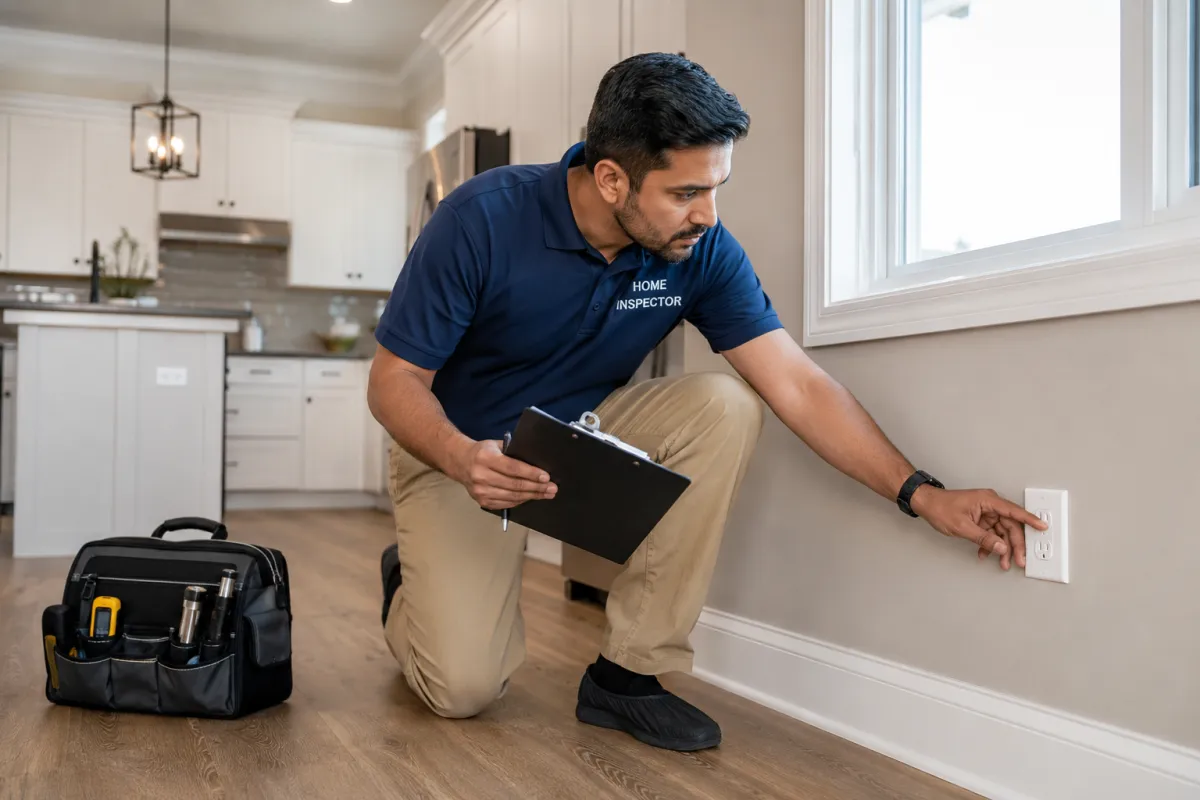
Home Inspection Guide for First-Time Buyers
First-Time Home Buyers, Home Inspection North Shore MA
What to Expect During a Home Inspection on the North Shore — A First-Time Buyer's Local Guide
A step-by-step, North Shore Boston–focused first-time home buyer inspection guide, so you walk into inspection day prepared and confident.
Your North Shore Home Inspection Day
See what inspectors look for before you buy along the coast
The wind coming off Beverly Harbor had a salty edge that March afternoon. Hannah and Luis stood on the sidewalk along Lothrop Street, hands wrapped around paper coffee cups, staring at the pale yellow colonial they hoped would become their first home. A white SUV pulled up, ladders strapped to the roof. Their home inspector Essex County MA stepped out, clipboard in hand, and gave a small wave. The home inspection was about to begin, and with it, the clearest picture yet of what they were really buying. As they would later read again in the Buyer & Seller Tips section on essexcountyhomesforsale.com, this moment is where information replaces guesswork.
Why the Home Inspection Matters on the North Shore
Older housing stock, coastal weather, and New England building quirks all shape the North Shore real estate inspection process. From tide-soaked foundations in Gloucester to antique farmhouses in Essex, a home inspection North Shore MA often reveals issues you simply cannot see during a quick showing. For a first-time buyer, this is your opportunity to understand the home’s condition, future maintenance, and any safety concerns before you move forward with buying a home Beverly MA, Manchester-by-the-Sea, Ipswich, or beyond. To see how this fits into your overall buying journey, you can browse the North Shore–focused guides in the Keys to Your First Home library on essexcountyhomesforsale.com.
How Long Does a Home Inspection Take?
Most buyers ask, how long does a home inspection take? On the North Shore, expect two to three hours for a typical single-family home, sometimes longer for large or antique properties. Condos may be closer to 90 minutes. Weather can play a role; a snowy January roof in Gloucester may limit what can be checked from the exterior, while a clear June day in Ipswich allows for a more detailed look at shingles and flashing. If you are planning your timeline, pairing this with the step-by-step checklists in the first-time buyer resources on essexcountyhomesforsale.com can help you schedule inspections, financing, and closing with fewer surprises.
What Does a Home Inspector Check for in Massachusetts?
Buyers often wonder, what does a home inspector check for in Massachusetts? While each professional may have a slightly different style, licensed inspectors generally follow state standards. Your home inspection checklist first-time buyer will typically include:
Roof and exterior: shingles, flashing, chimneys, gutters, siding, trim, decks, and porches, with special attention to moisture and salt exposure in coastal towns like Manchester-by-the-Sea homes and Beverly MA real estate near the water.
Foundation and structure: cracks, settlement, framing, and signs of water intrusion—especially common in older stone foundations in Essex MA real estate and Ipswich.
Electrical system: panel, wiring type, outlets, and visible safety issues, including older knob-and-tube sometimes found in Victorian homes around North Shore Boston neighborhoods.
Plumbing: supply lines, drains, visible pipes, water heater age, and signs of corrosion, freezing, or past leaks from our long winters.
Heating and cooling: boiler or furnace, radiators or baseboards, air conditioning, and venting—especially relevant in older hydronic systems in Beverly and Salem triple-deckers.
Interior: windows, doors, walls, ceilings, floors, stairways, and railings, looking for staining, uneven floors, or other signs of structural or moisture issues.
Many inspectors will also comment on insulation, ventilation, and attic conditions, which are especially relevant in coastal climates where temperature swings and humidity can be significant. For a deeper dive into how these findings affect your offer strategy, you can cross-reference similar scenarios in the Buyer & Seller Tips articles on essexcountyhomesforsale.com.
A Walkthrough of Inspection Day: Local Vignette
On a gray November morning in Ipswich, Mark stood in the driveway of a saltbox just off High Street, coffee in hand as his licensed Massachusetts home inspector pulled up. His Ipswich MA home inspection began with a standard pre-walkthrough: confirming the scope of the inspection, reviewing the signed agreement required under Massachusetts 266 CMR regulations, and outlining what would and would not be evaluated that day. Outside, the inspector documented siding, grading, steps, and railings, then set a ladder to view roof surfaces that were safely accessible. He checked for proper flashing around the chimney, signs of past ice dams, and whether gutters were directing water away from the foundation—common trouble spots called out by many inspectors on the Massachusetts Division of Professional Licensure’s guidance pages.
Moving inside, they started in the basement, where the inspector traced the main water shutoff, heating system, and visible plumbing and electrical runs. He identified the boiler type and approximate age, noted whether there was a liner in the chimney, and compared visible wiring to current safety standards. In the attic, he measured insulation depth, looked for active leaks or past water staining on the sheathing, and checked that bath fans were vented to the exterior rather than into the attic—an issue that shows up frequently in older North Shore homes. Throughout the visit, he paused to explain which items were typical for a home of that age and which might warrant further evaluation by a specialist, a best practice echoed by many inspectors on the Massachusetts home inspectors list. Stories like Mark’s echo the real-life examples shared throughout the Keys to Your First Home series on essexcountyhomesforsale.com, where buyers learn to balance charm with practical due diligence.
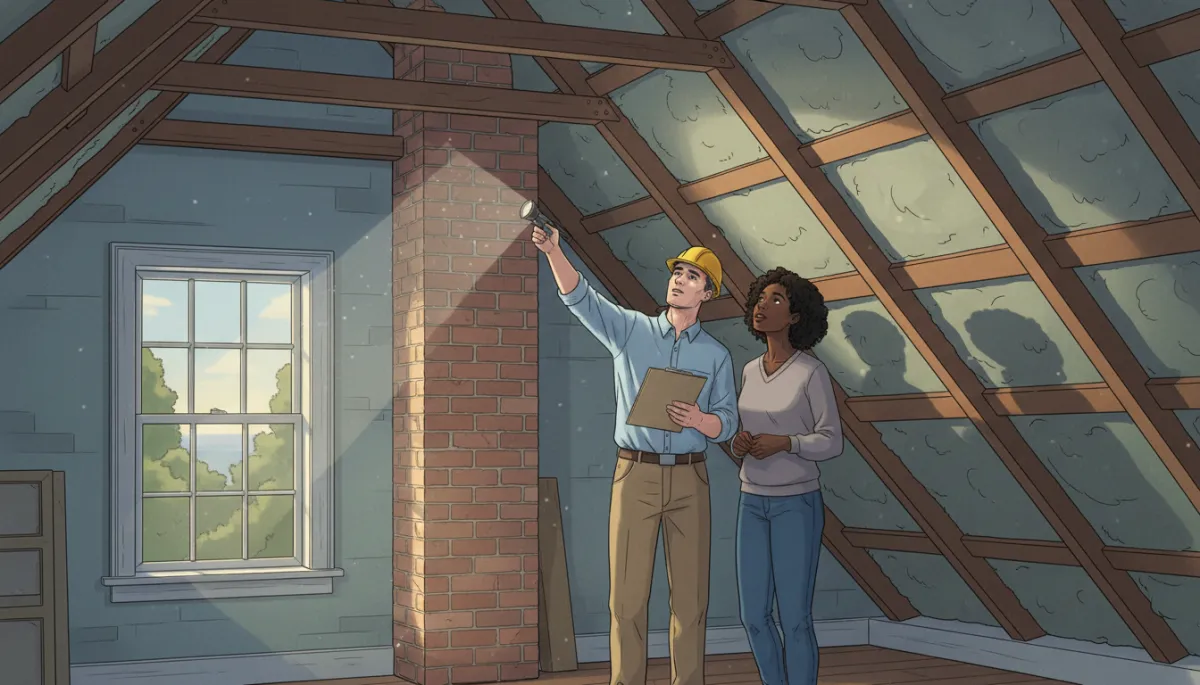
Attics often reveal hidden moisture, insulation gaps, and ventilation issues in coastal homes.
Scenes like this play out daily across North Shore Boston communities. Whether you are buying a home Beverly MA near Lynch Park or considering a cottage near Good Harbor Beach in Gloucester, the inspection helps you see beyond fresh paint and staging. For more local context on first-time buying, you can explore the Keys to Your First Home articles at essexcountyhomesforsale.com. If you are also thinking ahead to resale value and negotiation strategies after inspection, the broader library at essexcountyhomesforsale.com offers practical, North Shore–specific examples.
Should I Be at the Home Inspection?
Many buyers quietly ask, should I be at the home inspection? In practice, most North Shore inspectors welcome your presence. Walking through with them allows you to see issues firsthand, ask questions about maintenance, and get a feel for the systems you will be living with. You do not need to climb onto the roof or into crawlspaces, but you can follow along on the main floors and exterior, listening as the inspector explains what they see. To make the most of that time, you might review question ideas and checklists from the first-time buyer guides on essexcountyhomesforsale.com before you arrive.
Reading the Report: From Notes to Decisions
Within a day or two, you will receive a written report. For a first-time buyer, it can feel long and technical. Expect photos, descriptions of issues, and recommendations. Some items will be small—loose handrails, missing outlet covers, minor grading concerns. Others may be bigger, such as an aging roof on a Beverly MA real estate listing or a foundation crack in an older Essex MA real estate property. Use the report to understand near-term safety items, medium-term repairs, and long-term upgrades, and pair it with practical buyer and seller tips from essexcountyhomesforsale.com for additional context. If you want to see how other first-time buyers weighed similar findings, the stories and scenarios in the Keys to Your First Home section on essexcountyhomesforsale.com can be a reassuring reference.
Q&A: First-Time Buyer Questions About North Shore Inspections
1. What to Expect at Home Inspection on the North Shore?
When you arrive, the inspector will usually start outside, walking the property, checking siding, grading, walkways, and the roof (from the ground or with binoculars or a drone). Then they move indoors: basement or crawlspace, mechanical systems, main living areas, and attic. In coastal communities like Gloucester and Manchester-by-the-Sea homes, expect particular attention to moisture, salt exposure, and wood rot. The tone is observational, not alarmist; the inspector is documenting conditions, not passing or failing the home. For a fuller picture of how this fits into your overall offer and contingency strategy, you can read related inspection-day breakdowns at essexcountyhomesforsale.com.
2. Is a Home Inspection Worth It for First-Time Buyers?
Many buyers quietly wonder, is a home inspection worth it? Especially if the home looks beautifully updated. On the North Shore, where many properties are 80–150 years old, an inspection often uncovers hidden issues behind that fresh renovation: outdated electrical, marginal insulation, or older plumbing that may need attention down the road. The inspection fee is typically a small fraction of your overall purchase costs, yet it can help you plan for repairs and avoid surprises after closing. If you are comparing this cost to other parts of the process, the budgeting and planning articles in the first-time buyer category on essexcountyhomesforsale.com can help you see where an inspection delivers the most value.
3. What Questions to Ask a Home Inspector During the Visit?
Prepare a short list of what questions to ask a home inspector. Common ones include:
How old are the roof, boiler, and water heater, realistically?
Do you see signs of past water intrusion in the basement or attic?
Are there safety concerns I should address immediately after moving in?
What regular maintenance does this particular home style require in our climate?
Keep questions focused on understanding condition and upkeep rather than asking for cost estimates, which can vary widely. For more ideas, you can pull sample question lists and printable worksheets from the Keys to Your First Home hub on essexcountyhomesforsale.com before your appointment.
4. Are There North Shore–Specific Issues I Should Watch For?
Yes. In coastal towns, inspectors often see salt-related deterioration on exterior trim, decks, and metal components. In inland areas of Essex County, older stone foundations and seasonal high water tables can mean damp basements. After harsh winters, inspectors look for ice-dam damage on roofs and gutters. When you read local resources on essexcountyhomesforsale.com, you will see these patterns reflected in many North Shore neighborhoods. Cross-checking your report with those neighborhood spotlights and market updates on essexcountyhomesforsale.com can help you distinguish between typical local wear-and-tear and more serious red flags.
5. What If the Inspector Finds a Lot of Issues?
It can feel overwhelming if your report lists many items, especially as a first-time buyer reading a first-time home buyer inspection guide. Remember that older homes naturally come with a longer list. Separate cosmetic notes from safety or structural concerns. Use the report as a planning document—what needs attention soon, what can wait, and what simply requires regular maintenance in a New England climate.
6. Do Inspectors Check for Pests, Radon, or Lead Paint?
Standard inspections focus on structure and systems. In Massachusetts, additional testing—such as radon air tests, wood-destroying insect inspections, or lead paint evaluations—may be offered as add-ons or by separate specialists. In older Gloucester or Salem properties, buyers often consider lead and radon testing due to age and basement conditions, while wooded areas of Essex County may raise questions about termites or carpenter ants. For guidance on which add-ons make sense for your price point and town, you can compare recommendations in both the first-time buyer and Buyer & Seller Tips categories on essexcountyhomesforsale.com.
Final Thought: Walking Away Informed, Not Intimidated
When Hannah and Luis left their inspection on Beverly’s waterfront streets, the harbor had turned silver in the late-afternoon light. Their report would show a mix of small fixes and a few larger projects down the line—a tired roof, an aging boiler, minor exterior rot from years of salt air. Instead of feeling discouraged, they felt informed. They understood the story of the house, not just its listing description.
That is what a home inspection North Shore MA experience offers you: clarity. Whether you are comparing Manchester-by-the-Sea homes, exploring Gloucester home buyer tips, or reading more buyer-focused articles in the Keys to Your First Home section at essexcountyhomesforsale.com, the goal is the same. With a clear sense of what to expect at home inspection, you can step into your first North Shore home with realistic expectations, a maintenance plan, and confidence rooted in local knowledge. When you are ready to go deeper—whether that means exploring neighborhood guides, timing your move, or learning how other buyers negotiated after inspection—the broader content library at essexcountyhomesforsale.com is there as your local reference point.


