What Happens to the Family Home After the Kids Are Gone?
What Happens to the Family Home After the Kids Are Gone?

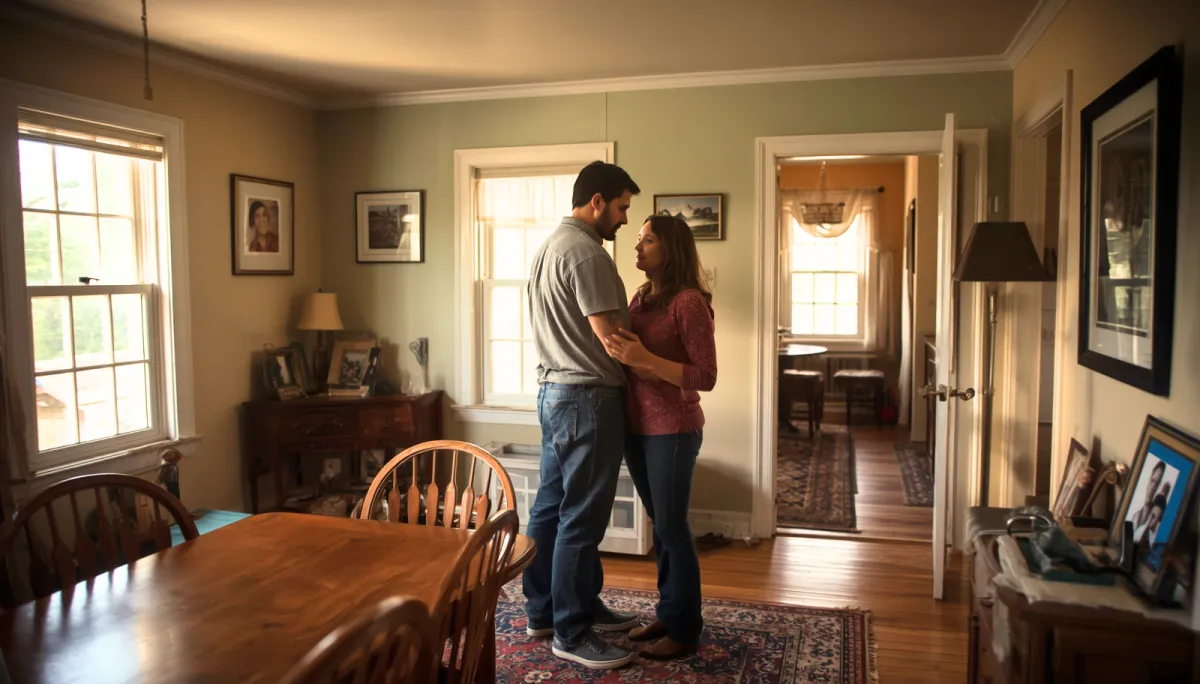
The leftovers had been packed into Tupperware, the extra chairs were returned to the basement, and the echo of the front door closing for the final time that evening still hung in the air. As the sun began to rise over the marshes of the North Shore the morning after Thanksgiving, the silence was almost startling. For twenty-five years, this house had been a symphony of slamming doors, late-night teenage debates, and the rhythmic thumping of soccer cleats on the mudroom floor.
Walking through the hallway, past bedrooms that once overflowed with sports equipment and school projects, the realization settled in like the morning fog off the Atlantic. The house hadn’t changed, but the life inside it had. For the first time, the question wasn’t about how to fit more into the space, but whether the space still fit the life being lived today.
The Geography of Memories
The transition into an empty nest is rarely just about square footage. It is a profound shift in identity. For decades, many homeowners in coastal Massachusetts have defined themselves by their roles within these walls, the manager of schedules, the host of holiday gatherings, and the keeper of the hearth. When the children move away, the geography of the home changes. Rooms that were once the vibrant center of the universe become quiet museums.
A bedroom might still hold a high school trophy or a collection of old yearbooks, but its primary function has shifted to storage. This emotional attachment to home is powerful. We don't just see walls; we see the spot where a first tooth was lost or where a nervous child was tucked in before the first day of school. According to the National Institute on Aging, staying socially and physically active is crucial during this phase of life, yet many find that a large, quiet house can ironically lead to a sense of isolation.

The Anchor of Maintenance
As the years pass, the practical reality of maintaining a larger home begins to weigh differently. What was once a labor of love, shoveling the long driveway in Beverly or painting the sprawling cedar shingles in Manchester-by-the-Sea, can start to feel like an anchor. According to the Harvard Joint Center for Housing Studies, older adults often face rising costs in home maintenance and utility bills that can eat away at the freedom they’ve worked so hard to achieve.
Changing household needs often mean that the third and fourth bedrooms are rarely entered, yet they still require heating, cooling, and cleaning. Many homeowners find that their "forever home" was actually designed for a specific season of life, one with full-sized families and high-energy demands. In coastal communities, where the salt air and New England winters demand constant vigilance, the burden of upkeep is real. This is often the point where residents begin exploring downsizing options to regain their time.
Redefining Lifestyle Freedom
The magic of the empty nest is the sudden emergence of "lifestyle freedom." Without the tether of school districts and carpool lanes, the North Shore opens up in a new way. Imagine a Tuesday afternoon spent wandering the trails of an Ipswich community guide or exploring the hidden galleries of a Gloucester community guide.
For many, this period marks a return to personal passions. It might be the travel opportunities that were always postponed, or finally taking that sailing course in Marblehead. The Administration for Community Living emphasizes that successful aging is about engagement and purpose. Sometimes, that purpose is found by moving closer to grandchildren or choosing simplicity so that more resources can be directed toward experiences rather than property taxes.

The Question of Aging in Place
Choosing to stay in the family home is a valid and deeply personal decision. Many homeowners find comfort in the familiar and choose to modify their environment to accommodate the future. This is where aging in place considerations come into play. It might mean converting a first-floor den into a primary suite or utilizing programs like Mass Save to improve energy efficiency for a fixed-income future.
However, the Aging Life Care Association notes that a home that was perfect for a 40-year-old may present challenges for a 75-year-old, especially when it comes to stairs and accessibility. If staying makes sense, it often requires a proactive plan for senior transition resources to ensure the home remains a place of safety and joy rather than a source of stress.
When Moving Makes Sense
For others, the "just right" home of yesterday has simply become "too much" for today. Moving doesn't have to mean leaving the area you love. Many residents transition to a Beverly community guide setting where walkability to restaurants and the train station replaces the need for a three-car garage.
The decision often starts with a home value estimate to understand exactly how much equity has been built over the years. This financial clarity allows for a more emotional discussion about the next chapter. Is it a luxury condo in a Manchester-by-the-Sea community guide development? Or perhaps a smaller cottage that allows for a "lock and leave" lifestyle for winters in warmer climates?

Strategic Steps for the Transition
Navigating this transition requires more than just a moving truck; it requires a strategy that respects both the heart and the head. Understanding seller solutions can help homeowners see that there are multiple paths forward. For example, some might benefit from a sell and stay program, allowing them to access their home's equity while remaining in the space they love for a set period.
It is also helpful to consult resources like the Freddie Mac Homeownership Resources or Fannie Mae Housing Education to understand the modern landscape of home sales and purchasing. Using a smart home calculator can help project the long-term savings of a more efficient, smaller property. Ultimately, when you compare selling options, you aren't just looking at numbers; you are looking at the potential for a lighter, more intentional way of living.
Creating a New Chapter on the North Shore
Stories from North Shore residents often highlight the joy found in the "right-sized" life. One couple in Ipswich traded their four-bedroom colonial for a sun-drenched townhome near the water. They found that without the constant yard work, they spent their Saturday mornings at local farm stands and their evenings walking the beach. They didn't lose their home; they gained a neighborhood.
The National Association of Realtors Research shows that empty nesters are a significant force in the market, often seeking quality over quantity. They want high-end finishes, community connections, and less complexity. Whether it’s a modern flat or a historic smaller home, the goal is the same: to create a space that supports the person you are becoming, rather than the person you were twenty years ago.

Questions & Answers
How do I know if my home is too large now?
If you find yourself closing off entire rooms or realize you haven't visited the second floor in days, your home may be larger than your current needs. High utility bills and overwhelming maintenance are also key indicators.
Should I keep the family home for when my children visit?
While it's lovely to have space for visits, it's worth considering if maintaining a year-round "hotel" for occasional guests is the best use of your resources. Many find that a smaller home and a nearby hotel or guest suite for visitors offers a better balance.
What are the emotional challenges of downsizing?
The primary challenges are nostalgia and the fear of letting go of memories. It’s important to remember that memories reside in people, not in walls or objects.
How do couples decide what comes next?
Communication is key. Discuss your individual goals, some may want more travel, while others want a garden. Finding a home that meets both needs requires honesty and compromise.
What if my children want me to keep the house?
Children often have a sentimental attachment to their childhood home, but they also want their parents to be happy and secure. Openly sharing your desire for a simpler lifestyle can help them understand your perspective.
Can moving improve my quality of life?
Yes. By reducing maintenance stress and freeing up equity, many people find they have more time and money for hobbies, health, and social connections.
When is the right time to make a change?
The best time is often before a crisis occurs. Making a planned, intentional move while you have the energy and health to enjoy the process is always preferable to being forced into a move by circumstances.
Are there programs to help with the costs of selling or buying?
Resources like MassHousing and the Consumer Financial Protection Bureau offer guidance on financial products and protections available to homeowners in transition.
Where can I find more resources on the emotional side of this move?
The AARP Family and Caregiving Resources center offers extensive articles and support for those navigating the transitions of later life.
Final Thoughts
The evolution of a home is a mirror of the evolution of a life. A house that was once a sanctuary of noise and growth eventually becomes a place of reflection and quiet. Whether you choose to stay and adapt or find a new horizon elsewhere on the North Shore, the transition is an opportunity to ask: What do I want my next chapter to look like?
Homes are the stages upon which our lives are played out. As the scenes change, it is only natural that the stage might change too. There is beauty in the history of a house that raised a family, but there is also a profound beauty in the empty space that allows for something new to grow.


