The North Shore Commute Test: Guide for Home Buyers
The North Shore Commute Test: What Buyers Should Try Before Choosing a Town

The light was perfect. It was a Saturday in mid-June, and the salt air drifting off the harbor in Manchester-by-the-Sea felt like a promise. For Sarah and Mark, the three-bedroom shingle-style cottage wasn't just a house; it was the "after" in their success story. They stood on the deck, imagining quiet mornings with coffee and a newspaper. They had checked the transit time on their phones: "42 minutes to North Station": and decided it was a small price to pay for such a sanctuary.
Two months later, the sanctuary felt more like a gilded cage. On their first Tuesday morning, that "42-minute" commute turned into a 90-minute odyssey involving a missed train, a frantic search for parking at the station, and a realization that the school drop-off line for the local elementary school added a layer of complexity they hadn't accounted for. By the time Sarah reached her desk in the Financial District, the salt-air serenity was a distant memory, replaced by the white-knuckle stress of Route 128.
This is the hidden trap of coastal real estate. A home is a place to live, but a town is a lifestyle: and that lifestyle is dictated by the rhythm of your daily transit. Before you sign a mortgage and pack your boxes to find homes on the North Shore, you need to perform the "Commute Test."
The Saturday Sentiment vs. The Monday Morning Reality
Most people tour homes on weekends when the North Shore is at its most idyllic. Route 128 is a breeze, the parking lots at the MBTA Commuter Rail stations are empty, and the town centers feel like a movie set. But the North Shore is a working landscape. It is a region of commuters, schools, and seasonal tourists, all vying for the same narrow strips of asphalt.
When you look at our North Shore relocation guide, you’ll see that proximity to Boston is one of our greatest assets. However, proximity on a map is not the same as proximity in practice. The difference between a "good" commute and a "soul-crushing" one often comes down to the small details: which side of the bridge you live on, how many traffic lights sit between your driveway and the highway, and whether your town’s train station has a waiting list for parking permits.

Why the "Map Estimate" is a Lie
If you open Google Maps Traffic at 10:00 AM on a Tuesday, it might tell you that the drive from Ipswich to Boston is 55 minutes. But ask anyone at the Town of Ipswich offices, and they will tell you that the 7:15 AM reality is vastly different.
The "Map Estimate" doesn't account for the "accordion effect" of North Shore traffic. A minor fender bender near the Peabody split on Route 128 doesn't just slow things down; it brings the entire corridor to a halt. Unlike the wide-open highways of the Midwest, our coastal routes are constrained by geography: salt marshes, granite ledges, and historic town centers that can’t be widened. This is why we always encourage people to dig deep into our buyer guides before settling on a specific zip code.
The North Shore Commute Test: A Step-by-Step Guide
To avoid Sarah and Mark's mistake, you must treat your potential commute with the same scrutiny as a home inspection. Here is how to run the test:
1. Drive the Route at Actual Work Hours
Don't drive it at noon. Drive it at 7:30 AM on a Tuesday or Wednesday (the heaviest traffic days in the post-hybrid world). If you plan to drive into the city, use MassDOT Traffic Information to see real-time bottlenecks. Notice where the school buses stop. Notice the sun glare as you head south toward the Tobin Bridge.
2. The Commuter Rail Deep Dive
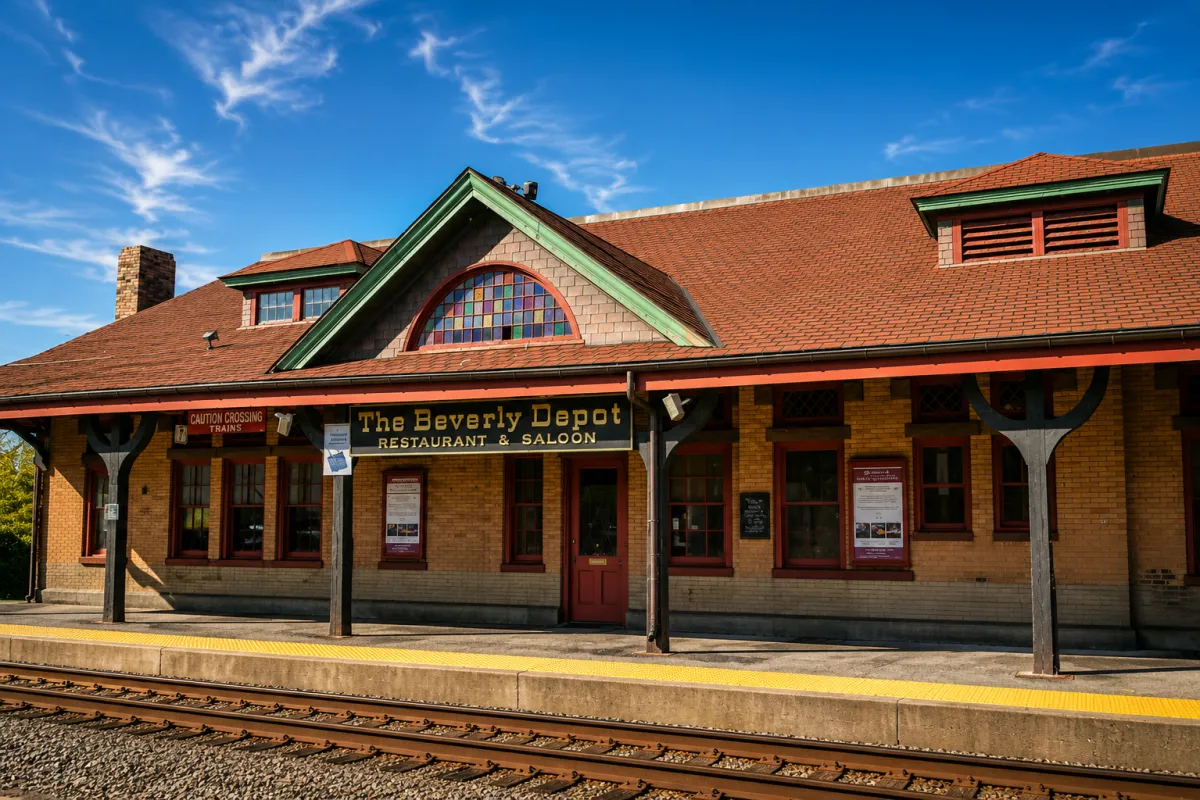
The Massachusetts Bay Transportation Authority is the lifeline for many North Shore residents. If you plan to take the train, don't just look at the schedule. Go to the station. Is there a parking lot? If so, is it full by 8:00 AM? In towns like Beverly or Salem, the City of Beverly and City of Salem have dedicated parking structures, but they fill up fast. Walk the platform. Talk to a regular. Ask them how often the 8:12 AM train is actually on time.
3. School and Activity Logistics
This is the part many buyers overlook. If you have children, check the Massachusetts School and District Profiles for start times. Does the school drop-off line exit onto a main commuting artery? If you live in Rowley but your child’s soccer practice is in Danvers, that 20-minute drive at 5:30 PM could easily take 45.

Comparing the North Shore Lifestyles
Each town offers a different "commuter trade-off." Your goal is to find the one that matches your tolerance for transit.
The Inner Core: Salem and Beverly
If you want the most options, start with our Salem community guide or Beverly community guide. These towns are the "inner" North Shore. They offer high-frequency train service and multiple ways to get into Boston (Route 1A, Route 107, or Route 128). The commute is shorter, but the vibe is more urban and fast-paced.
The Coastal Connectors: Manchester and Gloucester
The Manchester-by-the-Sea community guide and Gloucester community guide highlight towns where the scenery is world-class, but the commute requires more planning. In Gloucester, you’re at the end of the line. The train ride is scenic: often passing right along the water: but it is longer. However, many residents find that the beauty of the City of Gloucester harbor makes the extra 20 minutes worth it.
The Outer Reach: Newburyport, Rowley, and Ipswich
Check out our Newburyport community guide, Rowley community guide, and Ipswich community guide. These towns offer more land, historic charm, and a sense of "getting away from it all." The City of Newburyport is a destination in itself, but the drive to Boston is a commitment. Most residents here rely heavily on the MBTA Commuter Rail to maintain their sanity.
The Quiet Middle: Essex
As you’ll see in our Essex community guide, this town is famous for its antique shops and fried clams, but it doesn’t have its own train station. Residents typically drive to the Town of Manchester-by-the-Sea or Hamilton to catch the train. It’s the perfect choice for someone who wants total privacy and doesn't mind a "two-step" commute.

Seasonal Shifts: Tourism and Tundra
Finally, remember that the North Shore changes with the seasons.
The October Effect: If you’re looking at homes in Salem, visit in October. The Massachusetts Office of Travel and Tourism draws hundreds of thousands of people to the "Witch City" every fall. What is a 5-minute drive in May can become a 45-minute crawl in October.
The Beach Rush: In the summer, the roads leading to Crane Beach in Ipswich or Wingaersheek in Gloucester become congested with day-trippers.
The Winter Factor: When the "Nor'easters" hit, the commuter rail can experience delays, and the winding back roads of Essex County become treacherous.

The Hybrid Professional’s Edge
If you only have to go into the office twice a week, your "Commute Test" might look different. You might prioritize a home with a great office view and a short walk to a local coffee shop over a quick highway entrance. Many of our clients are finding that the Rockport community guide offers the ultimate hybrid lifestyle: working from a deck overlooking the Atlantic on Mondays and Fridays, and taking the long, peaceful train ride into the city on the mid-week days.

Q&A: Navigating the North Shore Commute
How long is the average commute from the North Shore to Boston?
It varies wildly by town. From Salem or Beverly, it can be 35–50 minutes. From Newburyport or Rockport, expect 70–90 minutes during peak hours.
What town has the easiest commuter rail access?
Salem and Beverly are generally considered the easiest because they have the highest frequency of trains and large parking garages.
Should I test my commute before buying?
Absolutely. We recommend renting an Airbnb in your target town for a few days during a normal work week to live the actual routine.
How does summer traffic affect North Shore towns?
Towns with major beaches, like Ipswich and Gloucester, see significant traffic increases on weekends and sunny weekdays from June through August.
What is the best town for hybrid workers?
Manchester-by-the-Sea and Rockport are favorites for hybrid workers because they offer incredible natural beauty and enough "peace and quiet" for a productive home office.
How much can winter weather affect commute times?
Heavy snow can add 30–60 minutes to a driving commute and occasionally causes the MBTA to run on a "Storm Schedule" with reduced frequency.
Why do buyers underestimate commuting?
Buyers often focus on the physical house and the "weekend version" of a town, forgetting that the Monday–Friday logistics are what actually define their quality of life.
Final Thoughts
A home on the North Shore is more than just an address; it’s a commitment to a specific rhythm of life. The rocky coast and historic town squares are a beautiful backdrop, but they shouldn't be the only things you consider.
By taking the "Commute Test," you’re doing more than just checking traffic; you’re ensuring that the lifestyle you’re buying is one you can actually sustain. Take the time to sit in the traffic, stand on the train platform, and wait in the school drop-off line. If you can do all that and still feel the pull of the salt air, then you’ve truly found your home.


