Living Near Downtown Salem: Year-Round Insights
North Shore, Coastal Living, Downtown Salem
What It’s Really Like to Live Near Downtown Salem Year-Round
A local’s-eye look at life by Salem Common, Derby Street, and the harbor—long after the Halloween crowds go home.
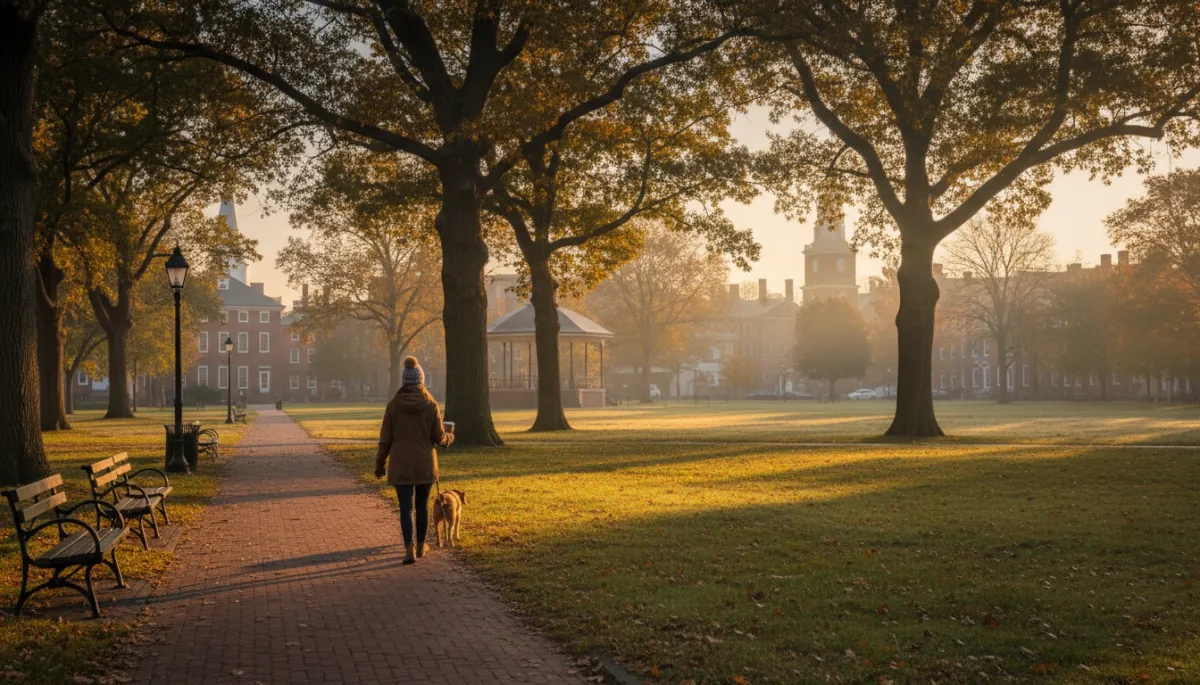
Cross Salem Common on a crisp October morning before the buses arrive and you get a very different city than the one splashed across social media. The grass is still wet with dew, a couple of dogs chase each other near the gazebo, and you can hear the faint clang of rigging from the harbor if the wind is right. A commuter in a wool coat cuts across the paths toward the station, coffee in hand. The Halloween banners are up, sure—but for a few quiet minutes, it feels like a small coastal town that just happens to wear a famous costume every fall.
Living Near Salem Common: Your Everyday Backyard
For many downtown residents, Salem Common is essentially the backyard. The blocks around the Common are a mix of brick townhouses, triple-deckers, and historic homes that feel more “neighborhood” than “destination.” On weekday mornings you’ll see parents cutting through with strollers on the way to local schools, joggers looping the perimeter, and neighbors pausing to chat near the playground. In summer, the Common hosts concerts, movie nights, and community events that give downtown a village-green feel even though the commuter rail is just a ten-minute walk away.
Living here means you get used to hearing the faint hum of Essex Street in the distance, but your own block can stay surprisingly calm outside of peak October weekends. On a random Tuesday in March, you’re more likely to hear the scrape of shovels or kids practicing soccer than tour guides with megaphones. The Common anchors the neighborhood, and the streets around it—Hawthorne Boulevard, Washington Square, Winter Street—feel like a tight-knit pocket despite being steps from the city’s most visited spots.
Derby Street, the Essex Street Pedestrian Mall, and a Walkable Daily Routine
One of the first things you notice living near downtown Salem is how little you actually need a car. Derby Street, Essex Street, and the pedestrian mall form a kind of daily circuit for errands and casual wandering. Derby runs parallel to the water, lined with wooden houses, pocket parks, and long-time residents who know exactly when to put out their trash to avoid the seagulls. Essex Street, especially the pedestrian mall section, is the city’s front porch: bookstores, bakeries, street musicians, and an evolving mix of shops that change with the seasons but always keep a local backbone.
In the morning, you might cut down Essex to grab a latte before work, weaving around delivery trucks and a couple of early-bird visitors snapping photos of the brick facades. At lunch, you can walk to a dozen different spots within ten minutes—no parking app, no circling the block. This is the kind of place where you bump into the same barista, the same neighbor with the orange backpack, the same bookstore owner who always remembers what you like to read. It’s a walking lifestyle that feels more European than suburban New England, and it’s a big reason people choose downtown Salem over farther-flung North Shore towns.
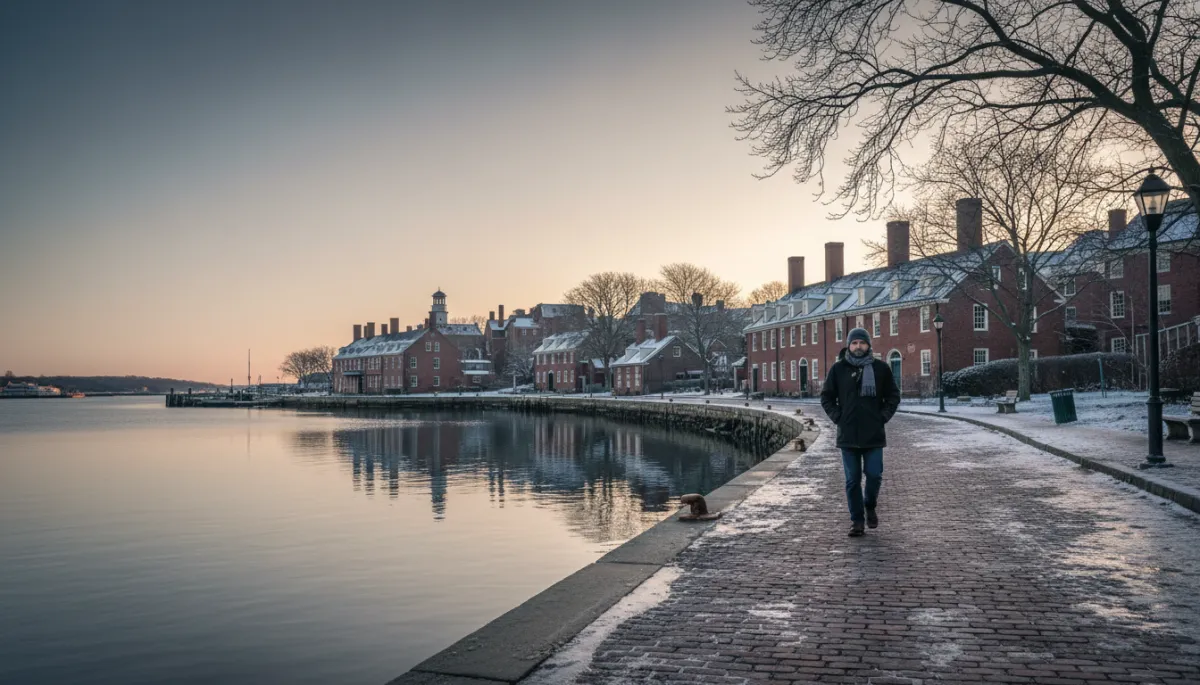
Early mornings on Derby Wharf feel more like a quiet fishing town than a tourist hub.
Harbor Life: Salem Maritime, Derby Wharf, and Pickering Wharf
The water is never far away. Living near downtown means the Salem Maritime National Historic Site becomes part of your regular walking loop, not just a place you bring visiting relatives. Derby Wharf stretches out into the harbor, and on clear days you can see Marblehead’s lighthouse and the islands beyond. The replica tall ship, when it’s in port, is less of a novelty and more of a familiar landmark that tells you what the tide and wind are doing at a glance. The National Park Service keeps the grounds tidy and open, so locals use the waterfront paths for everything from dog walks to impromptu sunset picnics.
Around the bend, Pickering Wharf has its own rhythm. In July, the outdoor patios fill with people lingering over seafood and harbor views; in January, you might see just a few bundled-up regulars watching the fishing boats and the occasional seal. The boardwalk creaks underfoot, gulls hover for dropped fries, and the lights from the restaurants reflect off the water on winter evenings. It can feel touristy in high season, but if you live here, you also know the quiet shoulder-season mornings when the only sounds are halyards, footsteps, and the low thrum of a lobster boat heading out.
Coffee Shops, Local Bookstores, and Museums as Third Places
Downtown Salem’s coffee shops function as living rooms for people who live in smaller apartments or historic homes without big open-concept spaces. On any weekday morning, you’ll find remote workers staking out corners with laptops, retirees reading the paper, and students comparing notes before class. Places like local cafés highlighted by Destination Salem become part of your routine: you know which one is best for a quiet work session, which has the strongest espresso, and which will absolutely be slammed on October weekends no matter what time you go.
Bookstores and museums add another layer to daily life. Independent shops along Essex Street and nearby side streets stock a mix of local history, fiction, and the inevitable witchcraft sections—but they’re also where you overhear neighbors debating school budgets or weekend plans. The Peabody Essex Museum, one of the oldest continuously operating museums in the country, is not just a rainy-day activity; it’s a place locals pop into for an hour after work, using their membership like a gym pass for the mind. Exhibitions rotate, the atrium is a popular meet-up spot, and the museum’s events calendar quietly shapes many residents’ social lives.
Just down the waterfront, The House of the Seven Gables sits at the edge of a residential neighborhood, where tourists and locals share the same narrow sidewalks. For year-round residents, it becomes a familiar silhouette on evening walks, and its community programming and neighborhood partnerships give the area a sense of continuity that outlasts any single tourist season.
Restaurants, Harbor Views, and a Night Out You Can Walk To
When you live near downtown Salem, “going out” rarely involves a designated driver. You can walk to casual diners, cozy bistros, and harbor-view seafood spots in under fifteen minutes, which changes how spontaneous your evenings can be. On a random Wednesday in February, you might wander down to a spot on Derby Street for chowder and a view of the snow falling over the harbor. In July, outdoor patios hum with conversation, and you can feel the temperature drop a few degrees as you get closer to the water. Local guides like Destination Salem and the Salem Chamber of Commerce keep running lists of openings, but word-of-mouth among neighbors is still the best way to discover where the locals actually go.
The Commuter Rail: City Access Without Losing the Coastal Feel
Salem’s MBTA Commuter Rail station is a big part of why downtown living works so well. From many streets near the Common, Derby, or Essex, you can walk to the station in ten minutes or less, catch a train, and be in Boston’s North Station in about half an hour. For residents who work in the city but want to come home to harbor air and quieter nights, that combination is hard to beat. The station itself is modern, with a covered garage that takes a little pressure off street parking, and the regular train schedule makes it realistic to live car-light or even car-free if your job and lifestyle allow it.
Seasonal Shifts: Summer, Fall, Winter, and Spring in Downtown Salem
Summer: Harbor Breezes and Late Light
Summer in downtown Salem is defined by long evenings and the smell of the ocean drifting up Derby Street. The harbor is busy but not overwhelming—schooners, harbor cruises, paddleboarders, and kids fishing off the docks. Community events spill onto the streets and the Common: outdoor concerts, food festivals, and family movie nights. The Essex National Heritage Area often promotes coastal programs and trails that locals actually use, from harbor islands excursions to walks along the waterfront. It’s busy, but in a relaxed, beach-town way rather than the intense crush of October.
Fall: The Famous Season, Up Close
Autumn is when Salem becomes a global headline, and living here means you experience it from the inside. September is usually the sweet spot—crisp air, changing leaves in the Common, more visitors but still manageable. By early October, weekends can feel like a festival that never quite ends. Streets close, lines form outside attractions, and locals learn alternate routes and back alleys the way other cities learn subway maps. The Haunted Happenings schedule, coordinated through sources like Destination Salem and the Massachusetts Office of Travel & Tourism, shapes everything from when you run errands to where you’re willing to meet friends for dinner.
The reality of tourist season is that it’s both exhausting and energizing. You might wait longer for a table, or choose to cook at home more on weekends, but you also see your city through fresh eyes every time someone stops to photograph a side street you’ve walked a hundred times. Many residents treat October like a temporary lifestyle shift: more planning, more patience, and a mental note that November 1 will feel like a deep exhale. If you live here year-round, you learn to protect your routines while still enjoying the spectacle in small doses.
Winter: Quiet Streets and Harbor Snow
Winter is when you meet the “real” Salem. After the last of the fall visitors head home, the city shifts into a slower, more local rhythm. Snow piles up along Derby Street, and the harbor takes on a steel-gray stillness. You’ll find neighbors helping each other dig out cars, kids sledding on the edges of the Common, and the smell of wood smoke from older homes that still use fireplaces regularly. The City of Salem posts storm updates and parking bans, and you actually read them, because you know which side of the street to move your car to and which blocks become impassable when plows come through.
Museums, the Salem Public Library, and cozy cafés become essential winter refuges. The library’s historic building and community programs offer a warm counterpoint to the cold outside, and local cultural institutions—from the Peabody Essex Museum to Historic New England sites—lean into lectures, indoor exhibits, and quiet events that feel designed for residents rather than visitors.
Spring: The Slow Return of Color and Crowds
Spring arrives gradually in Salem. First, the snowbanks shrink and you start to see bikes again on the streets near the Common. Trees along Derby and Essex bud out, and the grass in the Common shifts from tired brown to hopeful green. By May, you’ll notice more day-trippers on weekends, but weekdays still feel local. Community events—parades, arts festivals, and neighborhood clean-ups—reclaim the streets before the height of summer. Organizations like Essex Heritage and the Salem Chamber help promote volunteer days and local initiatives that give residents a sense of ownership over their city’s public spaces.
Living Outside October: The Other Eleven Months
Ask year-round residents what they love most about Salem and you’ll hear a common refrain: “It’s not just October.” The other eleven months are when routines settle in—weeknight trivia at a local bar, early-morning walks on Derby Wharf, quiet afternoons browsing at bookstores without crowds. You learn which days the farmers market sets up, which streets bloom first in spring, and which restaurants run locals’ specials in the off-season. City resources like the City of Salem events calendar and the community calendar become more relevant than any Halloween brochure.
Neighborhood Feel and Community Events
Despite its international reputation, downtown Salem can feel surprisingly small once you live here. You run into the same people at the dog park, the same volunteers at local non-profits, the same faces at city meetings and school events. Block parties, neighborhood clean-ups, and seasonal festivals give the area a lived-in feel that doesn’t show up in tourist brochures. The Salem Chamber of Commerce and organizations like Essex Heritage help coordinate everything from restaurant weeks to heritage days, while local groups keep traditions like holiday parades and waterfront events going year after year.
Community life also extends into the city’s cultural institutions. The Peabody Essex Museum’s calendar is full of talks, film screenings, and family days, while the library’s events range from story times to author talks. Historic sites like the House of the Seven Gables host neighborhood-focused programs that quietly knit residents together around shared history and the harbor that first made Salem a global port.
How Salem Compares: Beverly, Marblehead, Gloucester, and Manchester-by-the-Sea
On the North Shore, choosing where to live often comes down to trade-offs between walkability, beach access, and commute. Salem’s downtown core stands out for its combination of dense, historic streets and direct train service, but nearby towns each offer their own version of coastal life, highlighted by resources from the Essex National Heritage Area and Massachusetts Office of Travel & Tourism.
Beverly: Just across the bridge, Beverly has its own downtown and beaches, plus multiple commuter rail stops. It feels a bit more spread out, with quieter residential streets and easier parking, but its center is smaller and less museum-heavy than Salem’s. If you want more beaches and a slightly calmer vibe, Beverly is appealing—but you may miss Salem’s cultural density and constant events.
Marblehead: Marblehead is postcard-pretty, with winding streets and harbor views almost everywhere you turn. It has a strong sailing culture and a deep sense of history, supported by organizations like Historic New England. But it’s less transit-friendly, and daily errands often require a car. If you prioritize a walkable, transit-connected downtown with museums and year-round events, Salem offers more options in a smaller footprint.
Gloucester: Farther up the coast, Gloucester is a working port with a strong fishing heritage. It has beaches, rugged coastline, and a more blue-collar feel. The commuter rail runs there as well, but it’s a longer ride into Boston. Gloucester’s downtown is growing, with galleries and restaurants, yet it still feels less compact than Salem’s historic core. If you want a city that balances working harbor, arts scene, and quick access to Boston, Salem often feels like the middle ground.
Manchester-by-the-Sea: Manchester is all about small-town charm and beaches like Singing Beach, promoted by regional tourism groups and state travel resources. It’s beautiful and quiet, with its own commuter rail station, but the downtown is tiny compared to Salem’s. If you crave a bigger variety of restaurants, museums, and events within walking distance, Salem delivers more urban energy without losing the coastal setting.
In the end, Salem sits at a crossroads: more urban than Marblehead or Manchester, more museum-rich than Beverly, and more transit-connected than many smaller coastal towns. For people who want a walkable, historic neighborhood with a real downtown and a working harbor, it often ends up at the top of the list.
Why People Love Living in Salem Year-Round
Talk to longtime residents and new arrivals, and you’ll hear a similar mix of reasons for staying. The ability to walk nearly everywhere—work, coffee, the train, the harbor, the library—is a big one. So is the sense of layered history: 17th-century houses next to 19th-century warehouses, all adapted to 21st-century life. People appreciate that they can spend a Saturday morning browsing at the public library, wander through a museum exhibit, grab lunch on the Essex Street pedestrian mall, and end the day watching the sun set over the harbor, all without getting in a car.
There’s also a certain tolerance and openness baked into the city’s culture. Salem’s story—of persecution, memory, and reinterpretation—attracts people who are curious, creative, and often a bit unconventional. That shows up in everything from the diversity of small businesses to the range of community events promoted by the local tourism office and civic organizations. Even the debates—about development, housing, and how to balance residents’ needs with tourism—are a sign that people care deeply about what kind of city Salem is becoming.
Final Thoughts: More Than a Halloween Destination
Living near downtown Salem year-round means accepting a certain amount of contradiction. You share sidewalks with tour groups in October and shovel them with your neighbors in February. You can walk to nationally known museums and still recognize the same faces at the corner café every morning. Derby Street might be on a million Instagram feeds, but for you it’s also the route you take to clear your head after work, watching the tide shift around the wharf as the sky turns pink over the harbor.
In the quieter months, when the Common is dusted with snow or just beginning to green up again, it’s easier to see Salem for what it really is: a small coastal city with a long memory, a walkable heart, and a community that keeps showing up for each other long after the Halloween decorations come down. For many who choose to live here, that balance—between spectacle and everyday life, between harbor and downtown, between past and present—is exactly what makes Salem feel like home.


