Living Near Downtown Beverly: Year-Round Guide
North Shore, Downtown Beverly, Neighborhood Guide
Living Near Downtown Beverly, MA:
A Year‑Round Neighborhood Guide
On a cool Saturday morning, Cabot Street wakes up slowly. The church bells at Dane Street ring the hour, a barista at a corner café props the door open to let out the smell of fresh espresso, and a couple carrying beach chairs heads downhill toward Beverly Harbor. This is the rhythm of living near Downtown Beverly year‑round: walkable, salt‑air close, and just busy enough that you always feel part of something.
A Day in the Life: Local Stories from Downtown Beverly
Imagine stepping out of a third‑floor walk‑up just off Cabot Street. The sidewalk is still damp from an overnight rain, and you can smell the ocean even before you see it. You grab coffee at a downtown spot where the barista already knows your order, then walk ten minutes down to Dane Street Beach to watch the morning light move across Beverly Harbor. A neighbor passes you with a dog and pauses to swap notes about which food truck is scheduled for the next downtown event. This mix of casual conversation, walkability, and water views is what defines daily life near Downtown Beverly.
In the evening, the feel changes but the sense of community doesn’t. Commuters step off the train at Beverly Depot, some heading straight home, others wandering up Cabot Street for dinner or a drink. On warm nights, you can follow the sound of live music drifting from small venues and patios. In winter, it’s quieter but not empty—people still bundle up for a harbor walk at sunset, or duck into a cozy restaurant where the windows fog up from the warmth inside.
Cabot Street: Downtown Beverly’s Main Spine
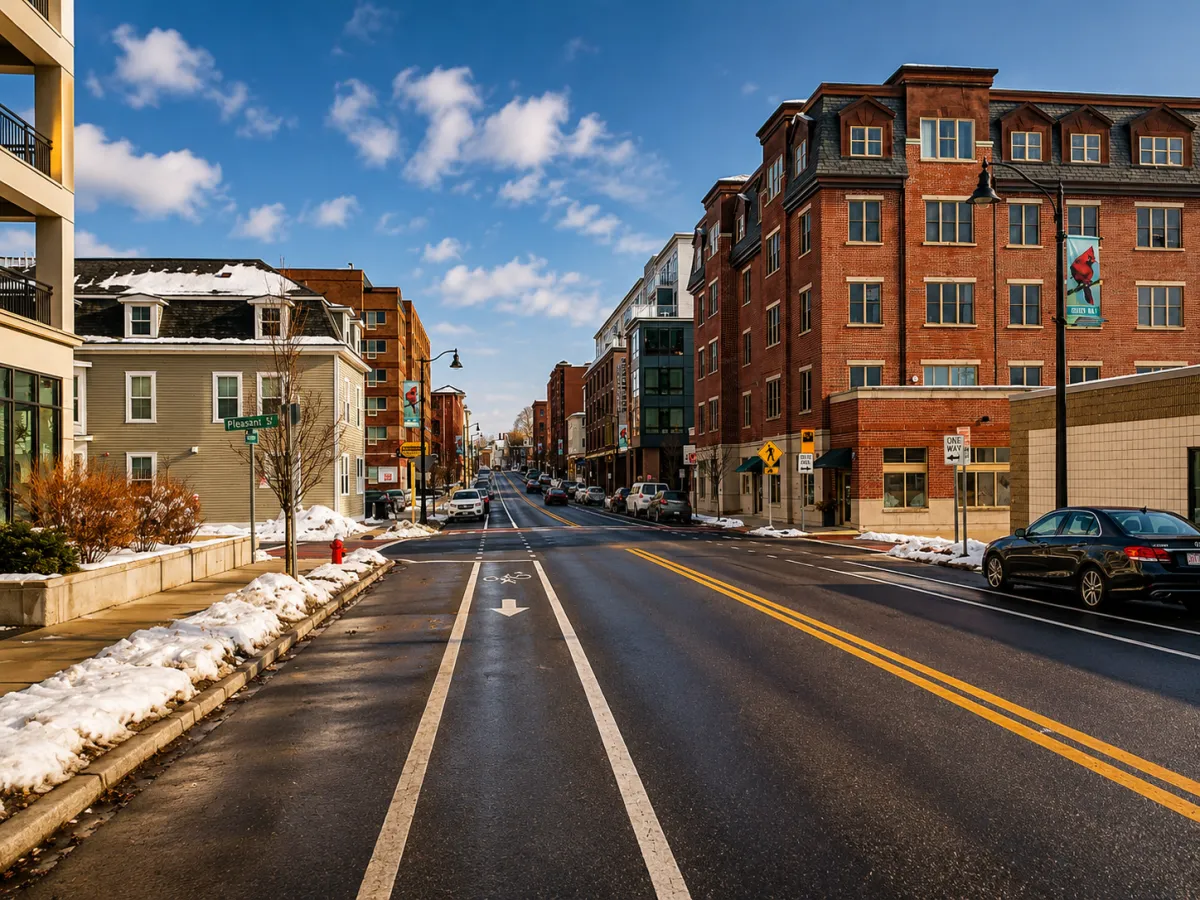
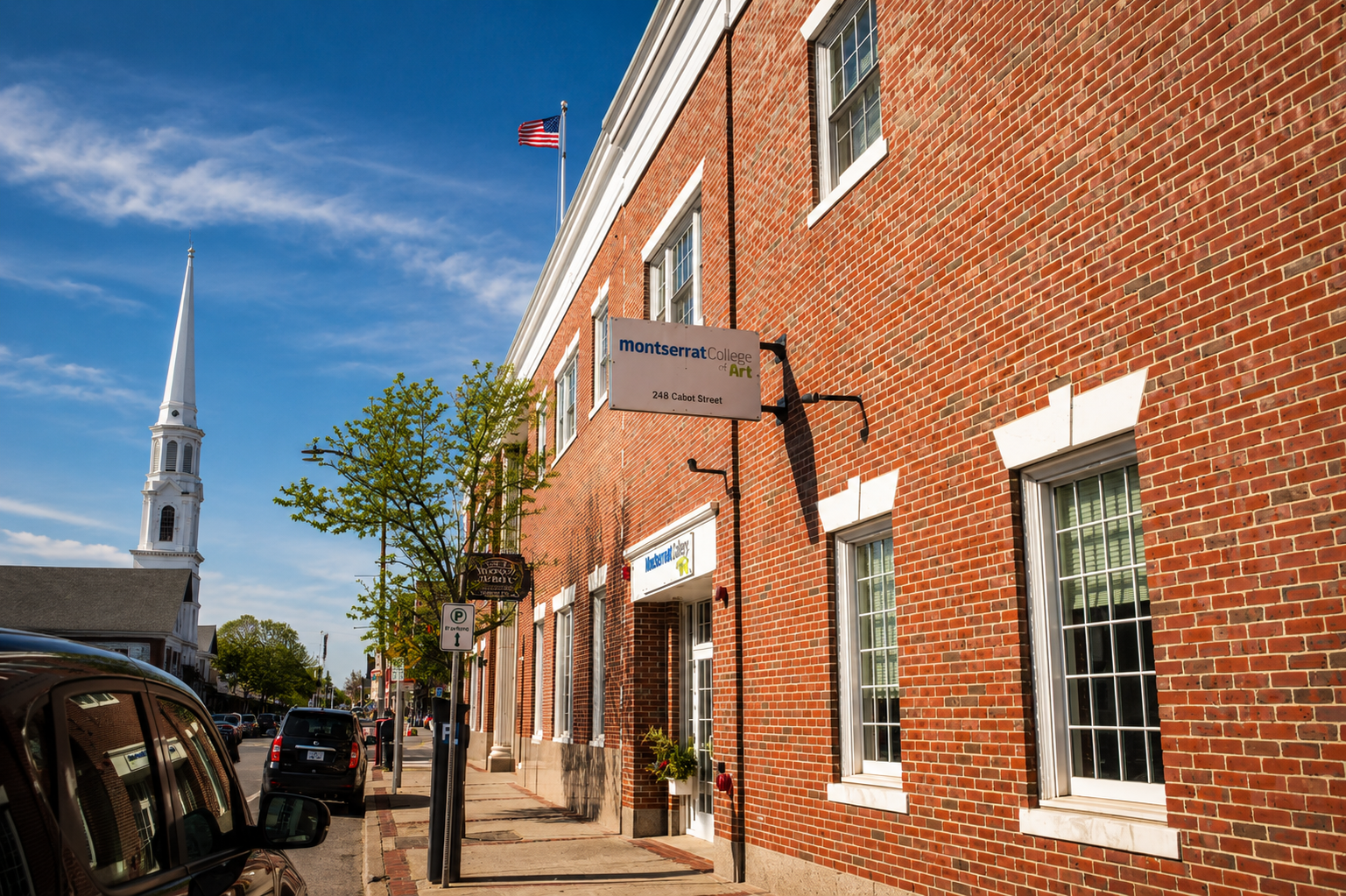
Cabot Street is the heart of Downtown Beverly, and living nearby means it becomes part of your daily routine. The street stretches from the Beverly Depot area toward the water, lined with independent shops, cafés, small theaters, and long‑standing local businesses. On a Saturday, you’ll see families pushing strollers, college students from nearby campuses grabbing brunch, and long‑time residents running into each other outside the bakery or hardware store.
The rhythm of Cabot changes by time of day. Mornings feel unhurried, with people lingering over coffee and pastries. Midday brings more errands and foot traffic, while evenings are when the street really glows—marquee lights, restaurant patios, and the soft buzz of conversation spilling out onto the sidewalk. If you’re exploring other nearby neighborhoods, you might also like the feel of Rantoul Street & Beverly Depot just a few blocks away, which offers a slightly more urban edge with new development and quick access to the train.
💡 Local Observation: Many residents mention that they can go days without getting in a car because Cabot Street covers so many daily needs—groceries, coffee, dining, and services are all within a few blocks.
Beverly Harbor: Living with the Water Just Down the Hill
One of the biggest perks of living near Downtown Beverly is how close you are to Beverly Harbor. From many downtown streets, it’s a short downhill walk to the water. The harbor itself is working and recreational at the same time—commercial boats, sailboats, and kayakers share the same protected waters, with views stretching across to Salem and the open Atlantic beyond.
Sunset is when the harbor really becomes part of daily life. Residents walk down after work, sometimes with ice cream in hand, to watch the sky turn pink behind the masts. In summer, kids fish off small piers, and you’ll often hear snippets of conversation about tides, moorings, or which neighbor just put their boat in for the season. If you’re comparing waterfront living options on the North Shore, you might also explore Beverly Cove & Waterfront or the nearby Salem Waterfront District for different harbor perspectives and amenities.

Many downtown residents build an evening harbor walk into their daily routine.
Dane Street Beach: Your Neighborhood Shoreline
Dane Street Beach is the closest true beach to Downtown Beverly, and it feels more like a neighborhood park than a tourist destination. On summer mornings, locals walk down in flip‑flops with coffee mugs, letting kids run in the sand while the tide creeps in. On hot afternoons, the small parking lot fills quickly, but if you live nearby, you can bypass the parking stress and simply stroll down the hill with a beach chair over your shoulder.
In winter, Dane Street has a completely different mood—windy, quiet, and often nearly empty except for dog walkers and hardy runners. The view across Beverly Harbor doesn’t change, but the energy does, reminding you that this is a place people truly live year‑round, not just visit in July. Those who want a deeper dive into coastal options nearby often compare Dane Street to the larger beaches featured in the Beverly Beaches Overview and the classic sandy stretches highlighted in the Manchester‑by‑the‑Sea Beaches Guide.
Beverly Depot & Commuter Rail: City Access without City Chaos
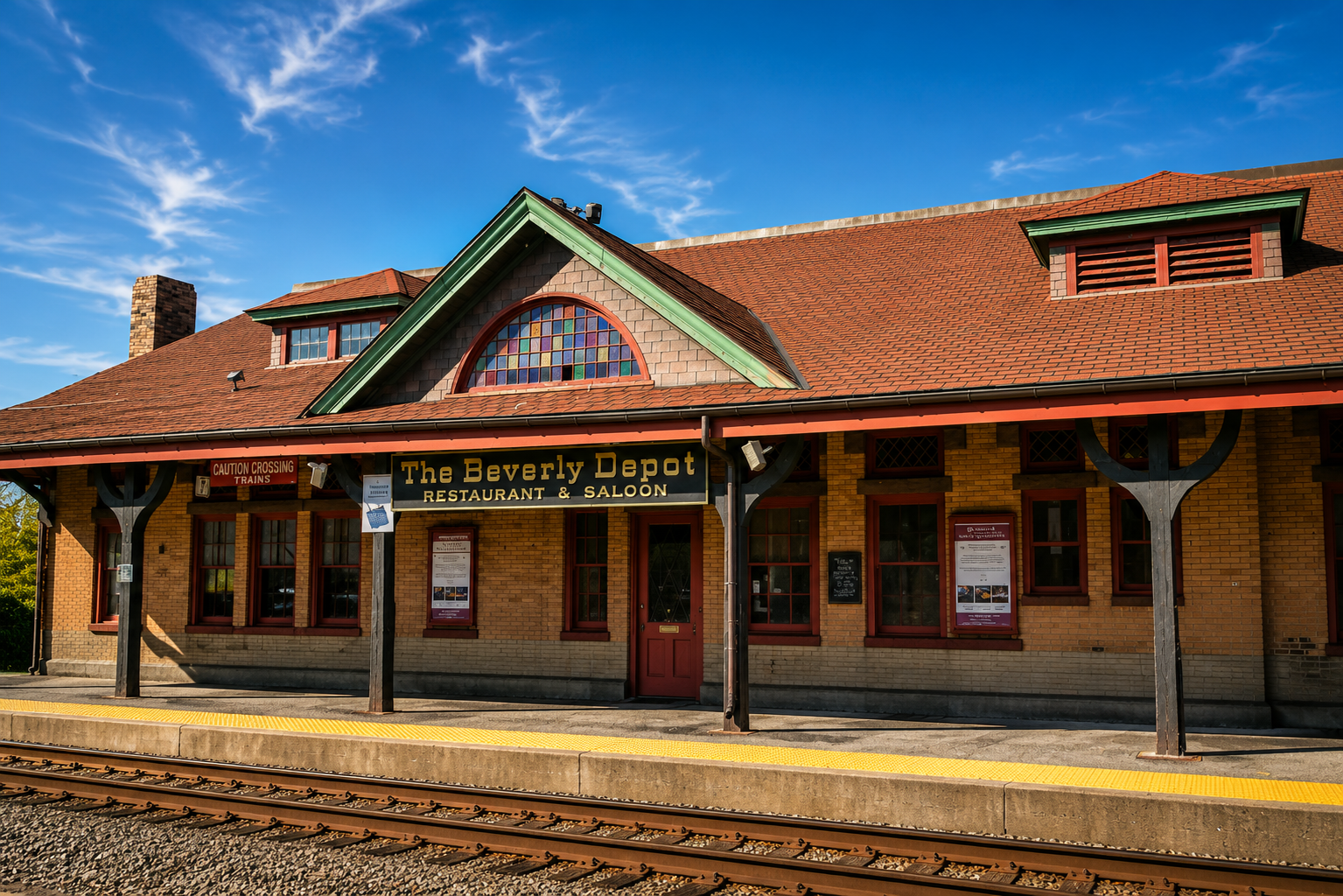
For many residents, the Beverly Depot commuter rail station is the anchor that makes Downtown Beverly such a practical home base. Located just a short walk from Cabot Street, the station sits at the junction of several MBTA Newburyport/Rockport Line branches, offering frequent trains into Boston’s North Station in roughly 30–40 minutes depending on the schedule.
The area around Beverly Depot has seen steady reinvestment, with newer apartment buildings, small businesses, and improved sidewalks making it feel like a natural extension of downtown. Morning scenes here are all about commuters: people with reusable coffee cups, headphones in, crossing Rantoul Street to catch an inbound train. In the evenings, there’s a reverse flow of residents heading up toward Cabot Street for dinner or home to quieter side streets. If transit‑oriented living is a priority, you may also want to compare the Downtown Salem Commuter Rail Area or the Lynn Commuter Rail Neighborhoods for different North Shore options.
📌 Commuting Snapshot: Many Beverly residents mix train and remote work. It’s common to hear about people riding into Boston two or three days a week and working from a downtown café the rest of the time.
Downtown Coffee Shops & Everyday Third Places
Coffee culture is a big part of daily life in Downtown Beverly. Within a short walk of Cabot Street and Beverly Depot, you’ll find a handful of independent cafés plus a few familiar chains. On weekday mornings, these spots double as unofficial co‑working spaces, with laptops open and quiet conversations about projects and deadlines. On weekends, they transform into social hubs where friends meet before heading to the beach, the farmers’ market, or a show.
What locals often mention is the sense of recognition. After a few weeks of living here, baristas start remembering your regular order, and you begin to see the same faces at similar times of day. For a broader look at café‑centric neighborhoods, consider comparing Downtown Beverly with the lively coffee scenes detailed in the Downtown Salem Neighborhood Guide and the more relaxed, coastal‑village vibe in the Manchester‑by‑the‑Sea Town Center Guide.
Dining & Restaurants: From Casual Bites to Date Night
For a relatively compact downtown, Beverly offers a surprisingly varied restaurant scene. You’ll find casual pizza and pub food, inventive New American menus, sushi, tacos, and a rotating cast of pop‑ups and food trucks at seasonal events. Many places are small and locally owned, which means you quickly develop favorites and, over time, relationships with staff and owners.
A typical weeknight might involve grabbing takeout on Cabot Street and walking down to the harbor to eat on a bench. Weekends bring longer dinners, sometimes followed by a show or live music. Residents often point out that they don’t feel the need to drive into Boston for a “real” night out—there’s plenty happening close to home. If you’re exploring regional dining scenes, you might also enjoy the restaurant overviews in the North Shore Dining Corridor Guide and the waterfront‑focused options in the Gloucester Harborfront Neighborhood.
Walkability: Errands, Exercise, and Everyday Convenience
One of Downtown Beverly’s strongest assets is its walkability. From most residential streets near Cabot and Rantoul, you can reach coffee, groceries, pharmacies, restaurants, the train, and the harbor on foot in under 15 minutes. Sidewalks are continuous, crosswalks are frequent, and traffic tends to move at a slower, small‑city pace compared to Boston or Lynn.
Many residents choose this area specifically to reduce car dependence. It’s common to see people walking home with a small grocery bag instead of doing a massive weekly shop, or combining a harbor stroll with a quick stop at the post office or bank. For a more data‑driven look at walkability, tools like Walk Score’s Beverly overview and the MassINC report on walking in Massachusetts communities can help you compare Downtown Beverly to other North Shore towns.
💡 Local Observation: Many households here have one car instead of two, or none at all, because daily errands and commutes are manageable on foot and by train.
Seasonal Events & Year‑Round Community Life
Downtown Beverly’s calendar is full without feeling overwhelming. Warmer months bring outdoor festivals, sidewalk sales, and harbor‑adjacent events where food trucks and live music turn familiar streets into gathering places. The City of Beverly events calendar and organizations like Beverly Main Streets help coordinate everything from art walks to downtown movie nights.
Fall brings a different set of traditions—harvest‑themed markets, Halloween events, and indoor concerts as the weather cools. Winter is quieter but still active, with holiday lights along Cabot Street, small‑scale celebrations, and the simple pleasure of ducking into a warm café after a windy harbor walk. For those who enjoy a busier, more tourist‑heavy calendar, the events highlighted in the Salem Fall Festivals Guide provide a sharp contrast to Beverly’s more low‑key approach.
Summer vs. Winter: Two Different Downtown Moods
Summer in Downtown Beverly feels expansive. Sidewalks are busier, patio seating fills up, and the walk to Dane Street Beach or the harbor becomes part of nearly everyone’s routine. Windows are open in older apartments, and you can hear live music or quiet conversations drifting up from the street. Many residents schedule their days around the tides and light—early beach walks, late dinners after the heat breaks, and impromptu harbor visits when the sky looks promising at sunset.
Winter, by contrast, is more introspective but still livable. Snow softens the sound of traffic, and historic buildings along Cabot Street look especially charming under a light dusting. People still walk—to the train, to coffee, to the harbor—but they move faster, bundled in layers. The ocean remains a constant presence; on stormy days, you can hear the wind whipping across the harbor from several blocks away. For those curious about how other coastal towns handle the off‑season, the Winter on the North Shore Guide offers comparisons across multiple communities.
Local Culture & Historic Architecture
Beverly doesn’t shout about its history the way Salem does, but it’s everywhere once you start looking. Downtown streets mix 19th‑century brick commercial blocks with early 20th‑century storefronts and older wooden homes tucked just behind the main corridors. Many buildings have been adapted over time, with apartments above shops and renovated interiors that still preserve original details like tin ceilings or exposed brick.
Cultural life here is steady rather than flashy. Small theaters, galleries, and music venues host a rotation of local and touring talent. Community organizations and schools contribute to a sense of ongoing, everyday culture rather than one‑off spectacles. Residents often describe Beverly as “creative but grounded”—a place where you’re just as likely to meet artists and musicians as you are teachers, healthcare workers, and commuters. For a deeper historical context, resources like the Historic Beverly organization and the Massachusetts Cultural Resource Information System (MACRIS) provide detailed information on local buildings and landmarks.
Commuting to Boston: Balancing City Careers with Coastal Living
Many Downtown Beverly residents work in Boston or Cambridge but prefer to come home to a smaller, calmer community. The commuter rail makes this possible: a short walk to Beverly Depot, a 30–40‑minute train ride, and you’re at North Station with connections to the MBTA subway system and major employment centers. Some residents also drive, using Route 128 and the Tobin Bridge, though traffic can be unpredictable during peak hours.
What sets Beverly apart is the transition at the end of the workday. Stepping off the train, you’re immediately in a walkable downtown where you can pick up groceries, meet friends for dinner, or simply stroll down to the harbor before heading home. This “soft landing” from city pace to coastal town calm is a major reason many professionals choose to live here instead of in more urban neighborhoods closer to Boston. If you’re weighing different commuter‑friendly options, the Boston Suburbs Commuter Rail Guide can help you compare Beverly with other towns on the North Shore and beyond.
Living Near the Water: Everyday Benefits & Trade‑Offs

Living near Beverly Harbor and Dane Street Beach shapes your days in subtle and not‑so‑subtle ways. On the plus side, you have easy access to swimming, kayaking, paddleboarding, and simple shoreline walks. Even if you’re not an active boater, just having the option to walk down to the water before work or after dinner changes how you use your free time. Many residents talk about “checking the harbor” the way others might check a local park—a quick, grounding ritual that marks the start or end of the day.
There are trade‑offs, of course. Coastal weather can be more intense, with stronger winds and occasional flooding concerns in certain low‑lying areas. Salt air is hard on cars and exterior finishes. But for most downtown residents, the benefits easily outweigh the challenges. If you’re exploring other waterfront communities to compare, the North Shore Coastal Towns Comparison guide offers a side‑by‑side look at Beverly, Salem, Manchester‑by‑the‑Sea, and more.
📌 Everyday Perk: In summer, it’s entirely possible to fit a quick swim or harbor walk into your day without needing to plan a “day trip” to the beach.
Why Residents Enjoy Downtown Beverly
Ask a few Downtown Beverly residents what keeps them here, and you’ll hear similar themes repeated in different ways. People appreciate the balance: small‑city amenities without big‑city overwhelm, access to Boston without needing to live in it, and waterfront living without the feeling of being in a purely seasonal resort town. The ability to walk to almost everything—coffee, groceries, restaurants, the train, and the harbor—is mentioned again and again.
There’s also a strong sense of continuity. You’ll meet families who’ve been here for generations alongside newcomers drawn by the commuter rail and creative scene. Over time, faces on Cabot Street become familiar, from shop owners to fellow dog walkers. Many residents say that Beverly feels “big enough to be interesting, small enough that you’re known,” a sentiment echoed in nearby neighborhoods like those profiled in the Beverly Neighborhoods Overview.
Beverly vs. Salem vs. Manchester‑by‑the‑Sea: How Do They Compare?
When people consider living near Downtown Beverly, they often compare it to nearby Salem and Manchester‑by‑the‑Sea. All three are coastal North Shore communities with commuter rail access, but the day‑to‑day feel is quite different in each place.
Beverly vs. Salem: Salem is busier and more tourist‑driven, especially in October. Its downtown is larger, with a denser mix of shops, restaurants, and historic attractions. Beverly, by contrast, feels more residential and less seasonal. You still get good dining and culture, but with fewer tour buses and costume shops. If you like energy and don’t mind crowds, Salem can be exciting; if you prefer a steadier, more local‑focused vibe, Beverly often wins out. For a closer look at Salem’s atmosphere, see the Downtown Salem Neighborhood Guide.
Beverly vs. Manchester‑by‑the‑Sea: Manchester‑by‑the‑Sea is smaller and more village‑like, with a postcard‑worthy harbor and well‑known beaches. It feels quieter and more residential, with fewer year‑round commercial options. Beverly offers more variety in dining, culture, and services, plus multiple distinct neighborhoods beyond downtown. If you want a serene, upscale coastal village, Manchester‑by‑the‑Sea is appealing; if you want a walkable small city with a broader mix of residents and amenities, Beverly is often the better fit. The Manchester‑by‑the‑Sea Town Center Guide offers more detail on that community’s character.
Housing styles and prices vary across all three, and trends can shift over time. For up‑to‑date market context, resources like the Zillow Beverly market overview and Redfin’s Beverly housing data can help you compare price points and inventory with Salem and Manchester‑by‑the‑Sea.
Final Thoughts: Is Living Near Downtown Beverly Right for You?
Living near Downtown Beverly means embracing a particular rhythm of life: coffee on Cabot Street, quick walks to Beverly Harbor and Dane Street Beach, an easy commute to Boston when you need it, and a neighborhood that feels active without being overwhelming. It’s a place where you can live car‑light, know your barista and your neighbors, and still access big‑city opportunities by train. Compared to Salem’s bustle and Manchester‑by‑the‑Sea’s quiet village feel, Beverly strikes a middle ground that many residents find just right.
If you’re drawn to historic streets, walkable errands, and the idea of fitting a harbor walk into your daily routine, Downtown Beverly is worth serious consideration. Explore at different times of year—linger on Cabot Street on a summer evening, stand on Dane Street Beach in January wind, watch commuters flow through Beverly Depot at rush hour. Those everyday scenes will tell you more about whether this neighborhood fits your life than any statistic ever could.


