Life Near Crane Beach: Ipswich's Coastal Charm
Travel, New England Coast, Ipswich Massachusetts
Living Near Crane Beach: Life on Ipswich’s Quiet Coastal Side
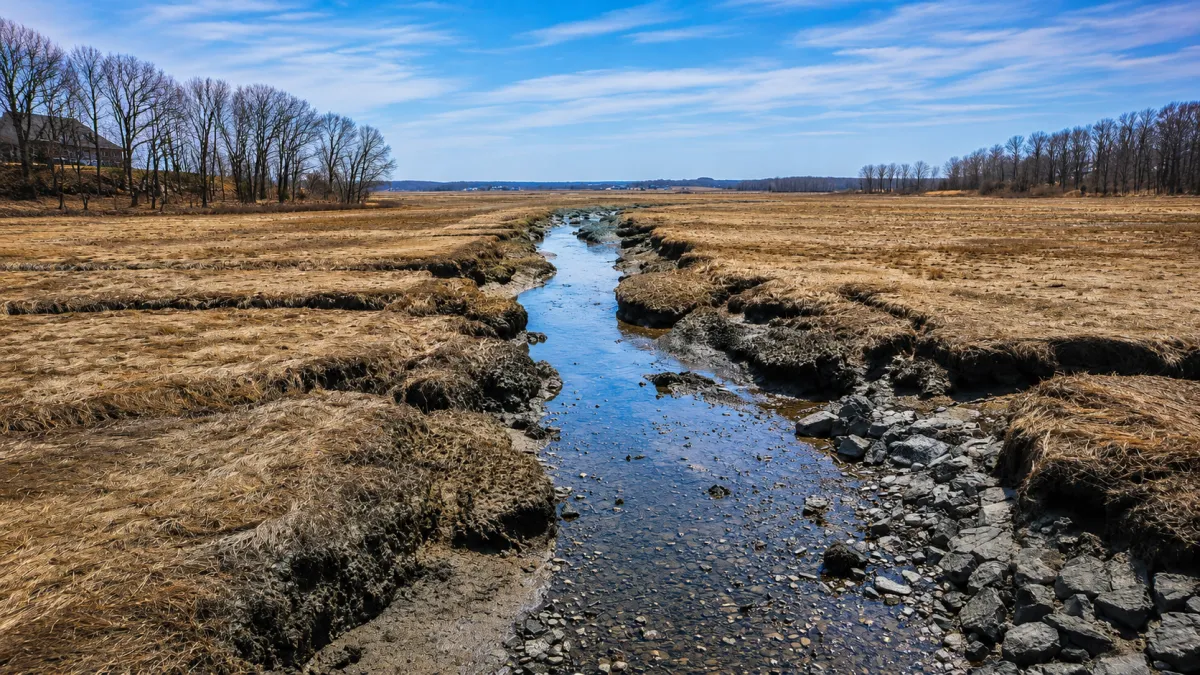
On certain winter mornings near Crane Beach, the day begins in whispers. The plows have not yet reached Argilla Road, and the only sound is the faint hiss of wind combing through the marsh grass. Out beyond the last farmhouse, the Great Marsh lies under a thin crust of ice, stitched with the dark seams of tidal creeks. A lone heron stands in the open water, motionless, as if guarding the secret that keeps people anchored to this corner of Ipswich long after summer crowds have gone home.
A Morning Drive Down Argilla Road
To live on Ipswich’s coastal side is to know Argilla Road by heart. It begins innocently enough, leaving the town center past clapboard houses and stone walls, then slowly sheds the trappings of town life. The pavement narrows, the trees lean in, and suddenly the landscape opens like a curtain: fields on one side, the Great Marsh unfurling on the other, a tidal plain of silver and green that seems to breathe with the moon.
In summer, cyclists drift along Argilla in small clusters, salt on their shoulders, towels slung over handlebars. In November, it’s the domain of locals again—dog walkers, birders, and those of us who simply drive it for the pleasure of watching the marsh change color with the sky. The road ends, as it always has, at the sand: the parking lot and wooden boardwalk of Crane Beach, one of the great Atlantic-facing strands in New England and the heartbeat of this side of town.
Argilla Road is both commute and ritual for residents living near the beach.
Crane Beach: A Daily Backyard, Not Just a Destination
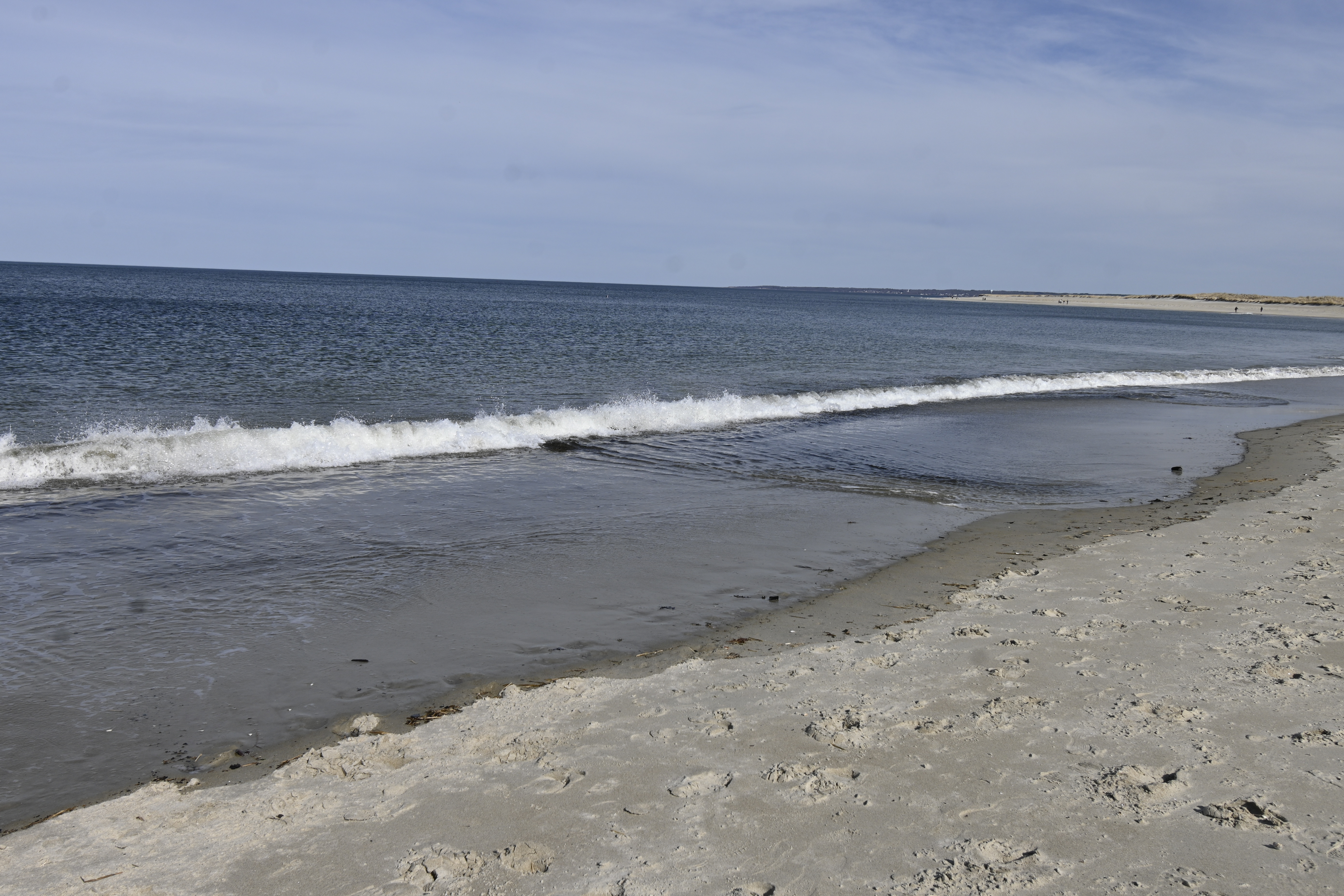
Visitors know Crane Beach for its long sweep of sand and rolling dunes, but living nearby changes your relationship with the place. You learn its moods. A July afternoon brings warm surf, chatter in half a dozen languages, and children building elaborate sand fortresses along the tide line. A raw March day, by contrast, belongs to the hardy few—neighbors in wool hats, horses and riders trotting along the firm sand, and the ever-present piping plovers, guarded by roped-off nesting areas and watchful volunteers from Mass Audubon.
The Trustees of Reservations, who manage the beach and the surrounding estate, have kept development at bay here for generations. Their work—dune restoration, plover protection, careful parking limits—means that even on the busiest days, the beach never feels swallowed by commerce. For residents, that stewardship is not an abstraction. It’s the reason we can still walk a mile north from the main boardwalk and feel the world fall quiet, save for the surf, the wind, and the low whistle of sand skimming across wet flats. You can read more about their efforts on the Trustees’ official page for Crane Beach history and conservation.
📌 Key Takeaway: For locals, Crane Beach is less a day trip and more a living calendar—its tides, winds, and crowds quietly marking the seasons.
Castle Hill and the Long View of the Coast
Rising above the dunes, Castle Hill on the Crane Estate is Ipswich’s most theatrical vantage point. The Stuart-style mansion, completed in 1928, sits on a drumlin that looks out over the Atlantic on one side and the Great Marsh on the other. I’ve walked that lawn in every season: in August, when the grass is dotted with picnic blankets and the air hums with outdoor concerts; in January, when the wind off the water cuts sharp and the statuary along the Grand Allée wears hats of snow.
From the terrace, you see how Ipswich fits into the larger geography of the North Shore. To the north, the marsh extends toward Newbury and Plum Island; to the south, the coastline kinks and folds toward Gloucester and Rockport. It’s a view that explains why this hill has been used for centuries—as farmland, lookout, and finally summer estate. The Trustees offer excellent background on the estate’s layered past, including Indigenous history and the Crane family’s arrival, on their Crane Estate history page.
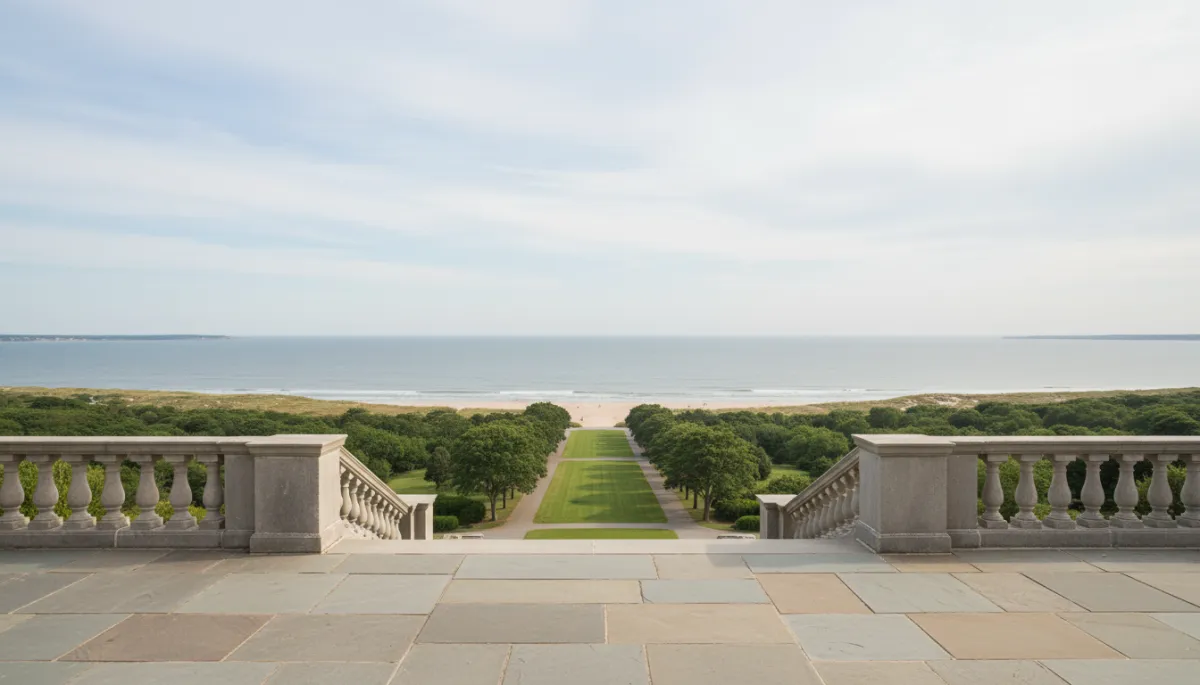
From Castle Hill, Ipswich’s dunes, marsh, and open sea fall into a single frame.
The Great Marsh and the Quiet Power of Salt Marshes
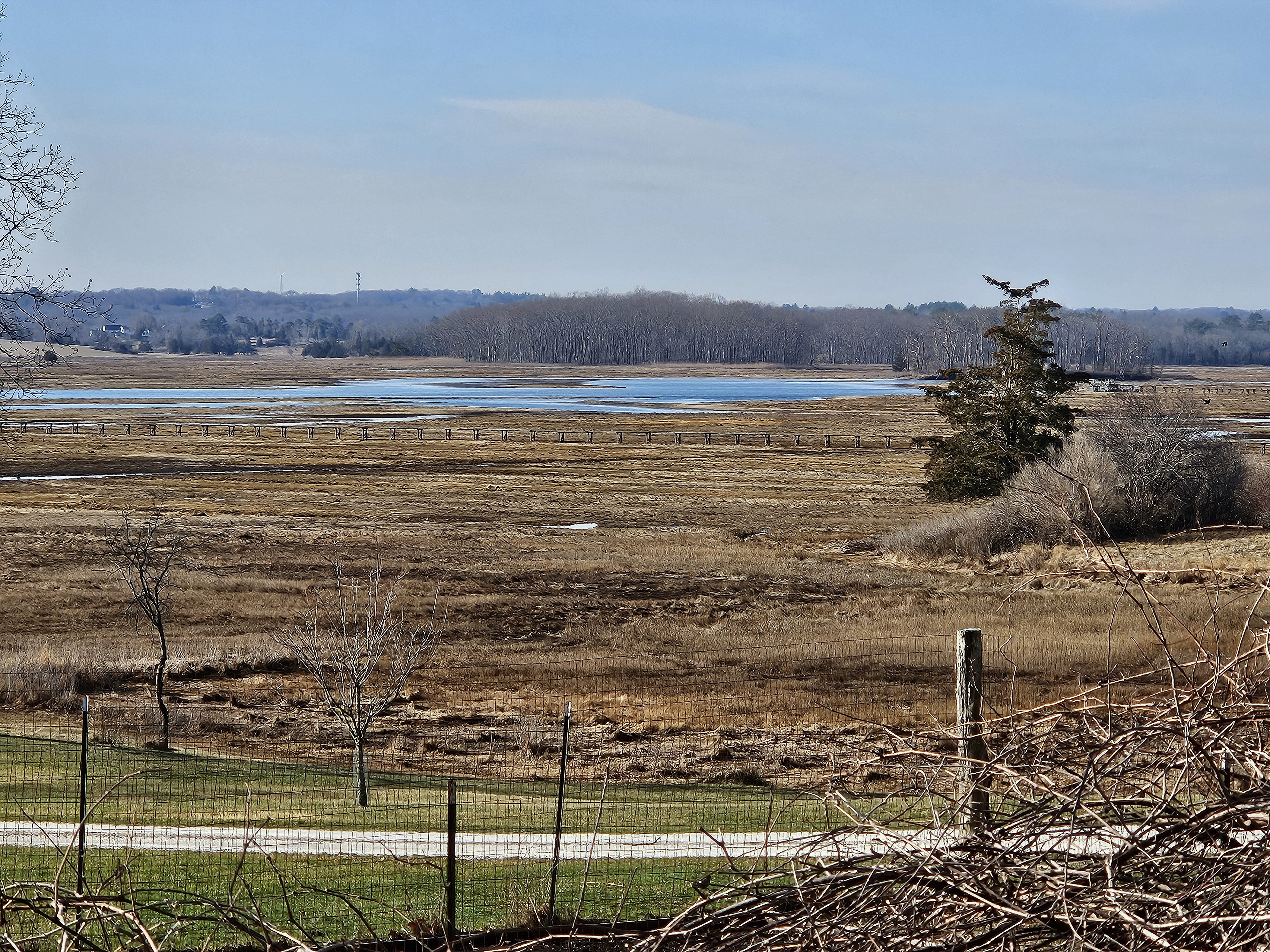
To live near Crane Beach is also to live with the Great Marsh—North America’s largest continuous stretch of salt marsh ecosystem. At first glance, it can seem monotonous: a flat expanse of cordgrass and creeks. But stay a while. Watch the tide creep in and out, flooding and draining the channels with a slow, tidal breath. Notice how the colors shift from chartreuse in June to bronze in October, how the marsh glows under a low winter sun like brushed metal.
Salt marshes do quiet work. They blunt storm surges, filter runoff, and cradle nurseries of fish and shellfish. NOAA’s research on salt marsh benefits reads like a love letter to these overlooked landscapes: carbon storage, shoreline protection, biodiversity. For Ipswich residents, the benefits are tangible. Nor’easters that might hammer more exposed coastlines are softened by this wide green buffer; storm tides are swallowed and slowed, buying precious inches and minutes for the houses tucked along the creek edges.
💡 Pro Tip: Time a walk along Argilla Road or the nearby trails to high tide and then again to dead low. The same marsh becomes two different worlds.
Conservation Land: A Patchwork of Protected Quiet
One reason Ipswich’s coastal side feels so remarkably intact is the sheer amount of conservation land stitched around Crane Beach and the marsh. The Trustees holdings at Crane Beach and Castle Hill are the most visible, but they’re part of a larger mosaic that includes town-owned parcels, private land trusts, and state holdings. The Crane Wildlife Refuge, for instance, extends across several islands in the marsh, protecting nesting areas and migration stopovers that most of us only glimpse from the water or from distant overlooks.
Inland, Mass Audubon’s Ipswich River Wildlife Sanctuary trails offer a different face of local conservation—floodplain forests, vernal pools, and quiet bends of the river that eventually feed the estuary. For residents, these protected lands are not just pretty backdrops; they are daily routes for dog walks, places to bring visiting relatives, and living classrooms where children learn to tell a snowy egret from a great egret long before they can name most brands of sneakers.
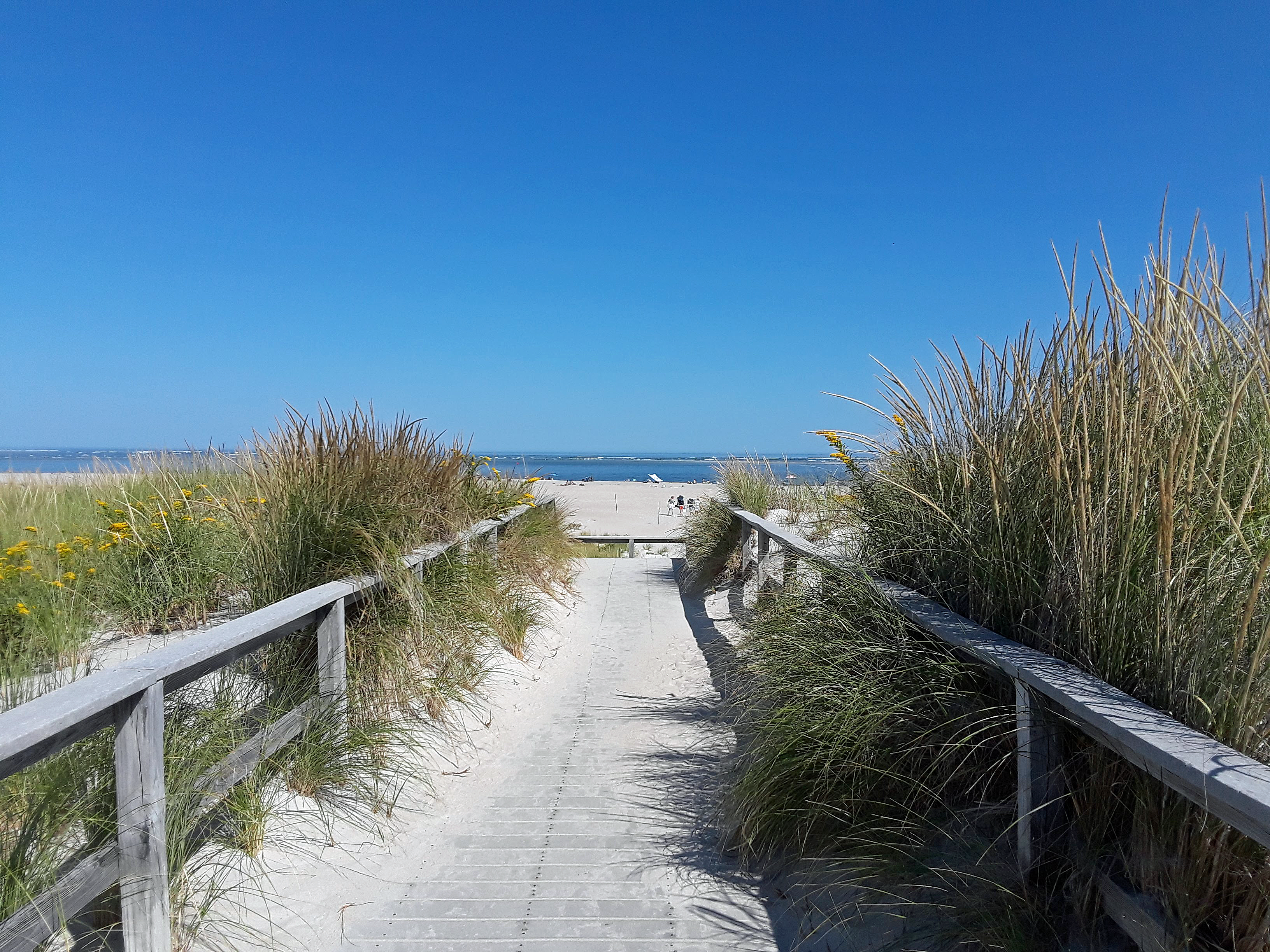
Boardwalks and trails let residents step gently into fragile marsh habitats.
Wildlife at the Edge of Town
Ask someone who lives near Crane Beach about wildlife, and they’re as likely to mention the fox that trots down their driveway at dusk as they are the shorebirds feeding on the flats. This is a neighborhood where you learn to check for deer before backing out of the driveway, and where the night sounds are more often owls and coyotes than traffic and sirens. Along the beach itself, it’s the birds that dominate: sanderlings racing the surf, loons offshore in winter, the comic honk of brant geese feeding in the shallows on cold March days.
The Great Marsh is a crucial stopover on the Atlantic Flyway, and organizations like Mass Audubon’s bird conservation program track migration patterns and population trends here. On certain autumn evenings, you can stand on the edge of the marsh and watch flocks of egrets and herons funnel into their roost trees like slow-falling snow. In spring, the peeping chorus of spring peepers and the chattering of red-winged blackbirds return almost overnight, as certain and familiar as the smell of thawing earth.

Egrets, herons, and shorebirds turn the marsh into a living field guide.
Seasons Along the Marsh and Shore
Ipswich’s coastal side is a study in seasonal change, and nowhere is that more evident than along Argilla Road and Crane Beach. In April, the salt marsh still looks winter-burned, but the first ospreys return to their nesting platforms, and the boardwalks begin to see more strollers than snow boots. By June, the marsh is electric green, the beach parking lot fills early, and the air smells of sunscreen and beach grass. Residents slip into a familiar rhythm: early-morning swims before work, evening walks to catch the last light, a mental map of which dune paths are least crowded at which hour.
Autumn might be the locals’ favorite. The crowds thin, the water holds its summer warmth, and the marsh turns to copper and gold. On clear October days, the light can feel almost European—soft, oblique, lingering. Even winter has its loyalists. On a bright February afternoon, with snow piled along the dunes and the sea a hard, dark blue, a walk on Crane Beach has the bracing effect of a cold plunge. NOAA’s seasonal sea-level and tide predictions for this coastline, available through their Tides and Currents portal, have quietly become part of local planning, especially as residents watch how storms and sea-level rise reshape the beach and marsh edges year by year.
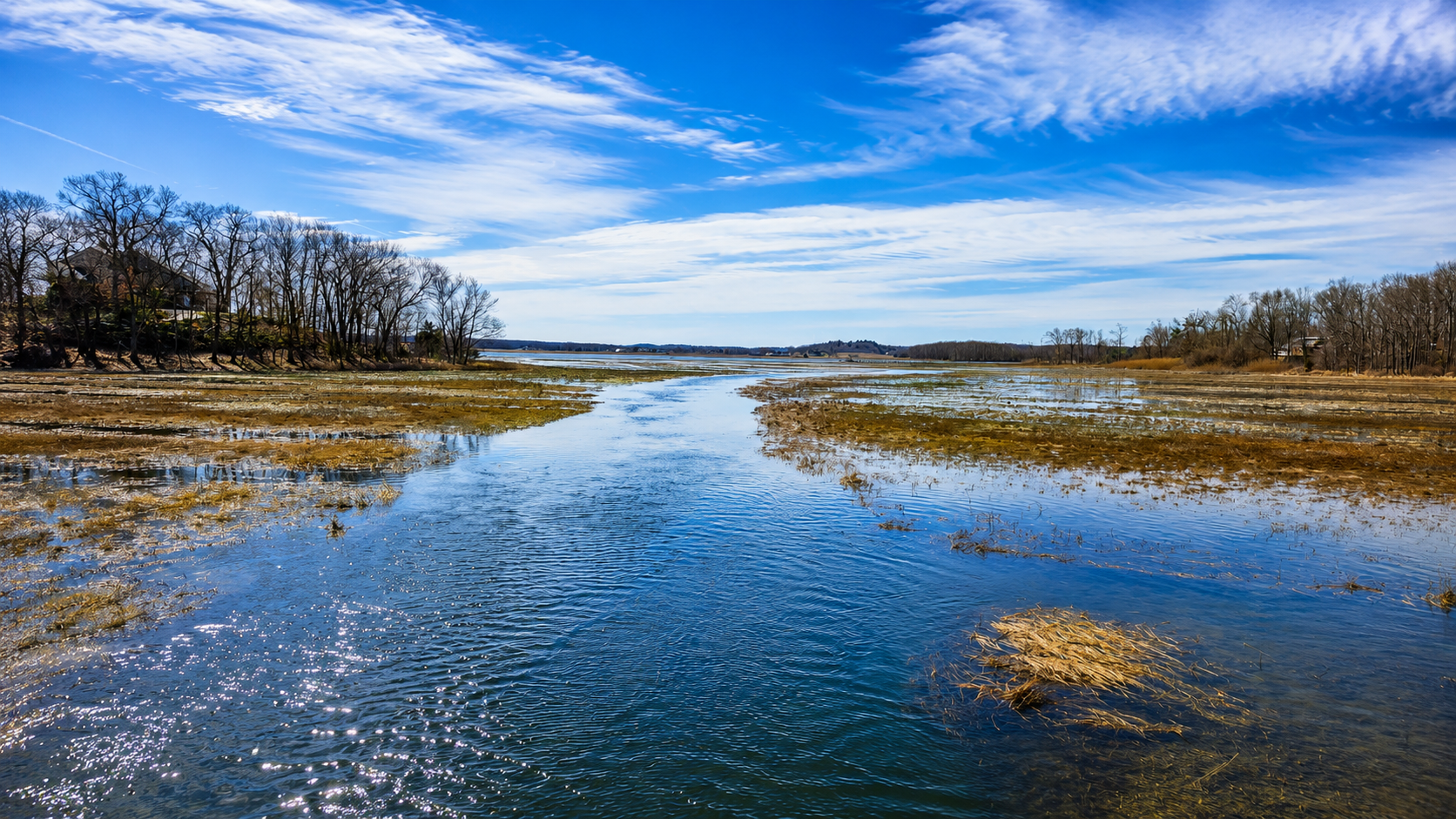
Winter on the marsh is a brief, burnished season locals wait for all year.
Scenic Drives and Everyday Routes
While visitors might seek out scenic drives as special excursions, residents on Ipswich’s coastal side often discover that their grocery runs and school drop-offs double as some of the most beautiful drives in New England. Argilla Road is the obvious star, but there are others: the loop out past Great Neck and Little Neck, where the river widens and the harbor opens to Plum Island Sound; the back roads that wind past old farms on Linebrook and Essex Roads; the quiet cut-throughs that reveal sudden, stolen views of the marsh between houses and hedges.
On foggy mornings, these drives can feel almost cinematic. Headlights glow in the mist, and the marsh seems to hover between land and sky. On clear summer evenings, windows down, you catch snippets of life—kids calling from porches, the clink of dishes from open kitchen windows, someone hosing sand off a pair of kayaks. If you’re planning a visit, the town’s own Visit Ipswich page offers a practical starting point, but the best routes are often those you discover by turning down a road simply because the light looks good at the far end.
For locals, even routine errands become scenic drives along water and marsh.
Ipswich in Context: Gloucester, Rockport, Essex, and Manchester-by-the-Sea
Along this stretch of coast, each town carries its own personality. Gloucester, just up the road, is a working harbor first and foremost. Its downtown streets smell of bait and diesel, and its history is written in the names on the Fishermen’s Memorial. Rockport, perched at the tip of Cape Ann, leans more toward the picturesque: art galleries, granite quarries, and the famously red Motif No. 1. Essex, tucked along the tidal Essex River, is equal parts boatbuilding heritage and clam-shack heaven, with its own swath of the Great Marsh shimmering just beyond the main road. Manchester-by-the-Sea, with its tucked-away coves and shingled houses, feels almost like a New England answer to a small European resort town.
Ipswich, by contrast, wears its beauty a bit more quietly. There is no single harbor focal point like Gloucester’s inner harbor or Manchester’s Singing Beach. Instead, its coastal side is a network of river mouths, barrier beaches, and marshes—a landscape of horizontals rather than verticals. Where Rockport’s drama is granite against surf, Ipswich’s is grass against tide. It’s a place where the most characteristic views are not crowded wharves or busy promenades, but long, open vistas of marsh and sky. For a deeper look at how these towns fit together culturally and historically, organizations like North of Boston CVB and local historical societies offer thoughtful overviews and walking tours that tie the region’s stories together.
📌 Key Takeaway: If Gloucester and Rockport are about harbors and headlands, Ipswich is about marsh and margin—the subtle edge where river, land, and sea keep renegotiating their borders.
Why Residents Fall in Love with Ipswich’s Coastal Side
Ask a dozen residents what they love about living near Crane Beach, and you’ll hear a dozen different answers, but common threads emerge. Some talk about access: the ability to slip down to the shore for a quick walk between meetings, or to paddle a kayak from a nearby landing and be in the heart of the Great Marsh in minutes. Others mention the sense of scale—that here, the horizon is wide, the sky is big, and the human footprint feels, if not small, at least respectfully sized against the landscape.
Many point to community. Conservation work here is not something that happens in distant boardrooms; it happens in volunteer dune grass plantings, in plover monitoring shifts, in local debates about zoning and sea-level resilience. Groups like the Great Marsh Coalition and local land trusts keep residents looped into the long-term health of the marsh and shoreline. Over time, that shared attention to place creates a subtle bond. Neighbors who might disagree on plenty of things often agree, instinctively, that the view from Argilla Road at high tide is worth protecting.
There’s also a certain humility that comes with living this close to the edge. Storms remind you that the coastline is not a fixed line on a map but a living, shifting boundary. NOAA’s resources on coastal change in Massachusetts make it clear that places like Ipswich will keep evolving in the decades ahead. Yet that knowledge seems to deepen, rather than diminish, residents’ affection for the place. The landscape is cherished not because it is permanent, but because it is fleeting and in need of care.
Final Thoughts: Learning to Read the Marsh and Sea
After years of walking these sands and roads, I’ve come to think of Ipswich’s coastal side as a kind of slow, ongoing conversation between water and land. The dunes at Crane Beach shift and rebuild. The salt marsh thickens in some places and thins in others. Argilla Road, solid under your tires, is in fact just a narrow ribbon between two patient, persistent forces: the sea on one side, the river and marsh on the other. Living here teaches you to notice small changes—a new channel cutting through the flats, a stand of marsh grass drowned by an unusually high tide, a familiar sandbar gone after a single winter storm.
For residents, those observations become a kind of literacy. You learn to read cloud cover for what it means on the beach, to hear the direction of the wind and picture the surf before you see it, to watch the marsh and understand something about the health of the larger coast. Compared with the granite drama of Gloucester or the postcard charm of Rockport, Ipswich’s coastal side can seem understated at first. But live here a while, and you realize that understatement is its strength. The beauty is not a single view or landmark; it’s the daily, cumulative experience of watching a living landscape do what it has always done—shift, adapt, endure—while you, for a brief span, have the privilege of calling it home.


