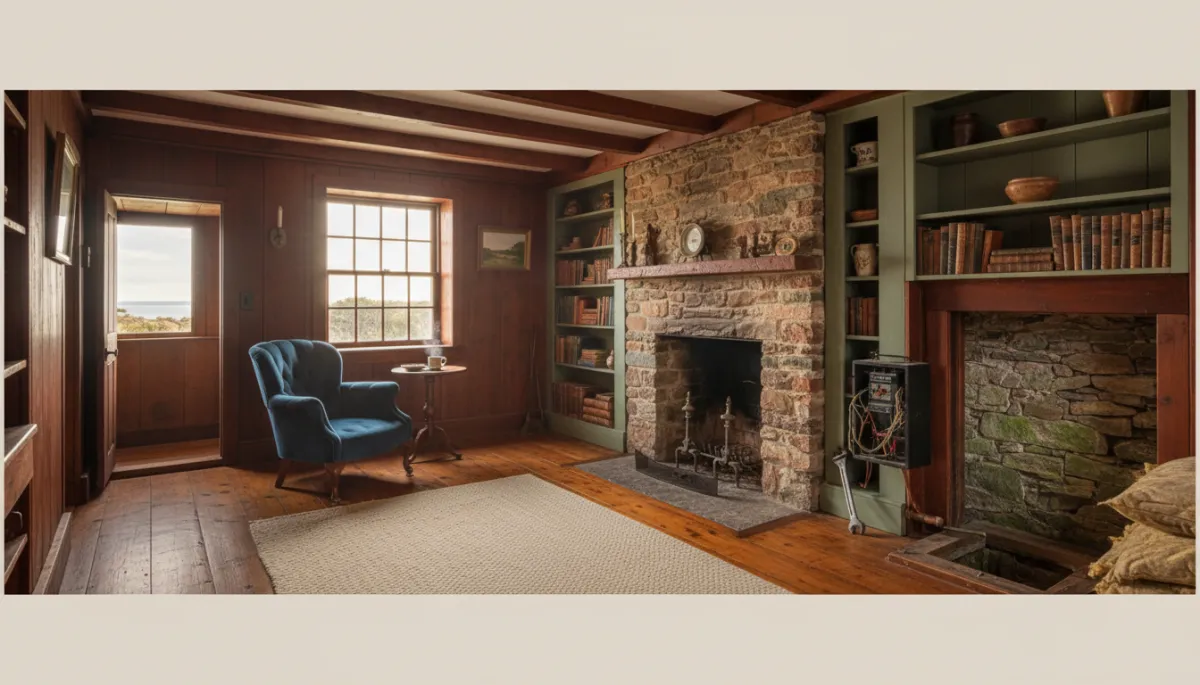
Living in Historic New England Homes: Truths Revealed
North Shore Coastal Life, Historic Homes, Homeownership
What Nobody Tells You About Living in an Older New England Home
A candid look at the beauty, quirks, and real costs of owning a centuries‑old North Shore home—before you fall too hard for those wide pine floors.
The Moment You Fall in Love with a 1700s Colonial
Picture this: you’re a first‑time buyer who has dutifully bookmarked every first‑time buyer resource, run your numbers through a mortgage calculator, and read a North Shore buyer guide. You’ve toured a dozen sensible colonials and condos. Then your agent unlocks the door of a 1700s house on a quiet side street in Ipswich, and everything changes.
The air smells faintly of old wood and beeswax. Sunlight slides across wide pine floors, scarred with three centuries of footsteps. The front door sticks just a little, and the original woodwork around the staircase is nicked and burnished exactly the way a museum piece is. There’s a fireplace in nearly every room. You can’t help it—you’re imagining Thanksgiving dinners, snowstorms outside, and candlelight reflecting off wavy glass windows.
You’re in love. And that emotional connection is real and powerful. But living in an older New England home—especially on the North Shore—comes with realities that don’t always make it into the listing description. This is the side of antique homeownership that nobody tells you about at the open house.
Historic Charm: More Than Just a Pretty Facade
North Shore towns like Salem, Newburyport, and Rockport are full of homes that predate the United States itself. That historic charm isn’t just about curb appeal; it’s about living inside a story. Hand‑hewn beams in Essex, captain’s houses in Gloucester, and Federal facades in Beverly all tell you something about who built them and why.
Resources like Historic New England and the National Register of Historic Places can help you research a property’s background. On the ground, local historical societies in Ipswich or Manchester‑by‑the‑Sea often have old maps and photographs that let you see how your home has evolved over the centuries.
💡 Pro Tip: Before you write an offer, ask your agent to check whether the home is in a local historic district or subject to preservation restrictions. The Massachusetts Historical Commission is a good starting point.
Original Woodwork, Built‑Ins, and Those Irresistible Wide Pine Floors
One of the first things buyers gush over in older homes is the original woodwork. In Salem’s McIntire District, you’ll see intricate mantels and crown moldings that would cost a fortune to reproduce today. In a modest Beverly colonial, simple paneled doors and chair rails tell the same story in a quieter voice. These details are part of what makes an antique feel warm, layered, and deeply human in a way new construction rarely does.
Then there are the wide pine floors—the ones you see in listings from Ipswich to Newburyport. They’re wider because they were cut from old‑growth trees. They’re also softer, which means they dent and scratch easily. Many North Shore homeowners choose to embrace the patina instead of chasing perfection. If you’re expecting pristine, glass‑smooth floors, you may be happier in a newer home. If you see every scratch as a chapter in the story, you’re in the right place.
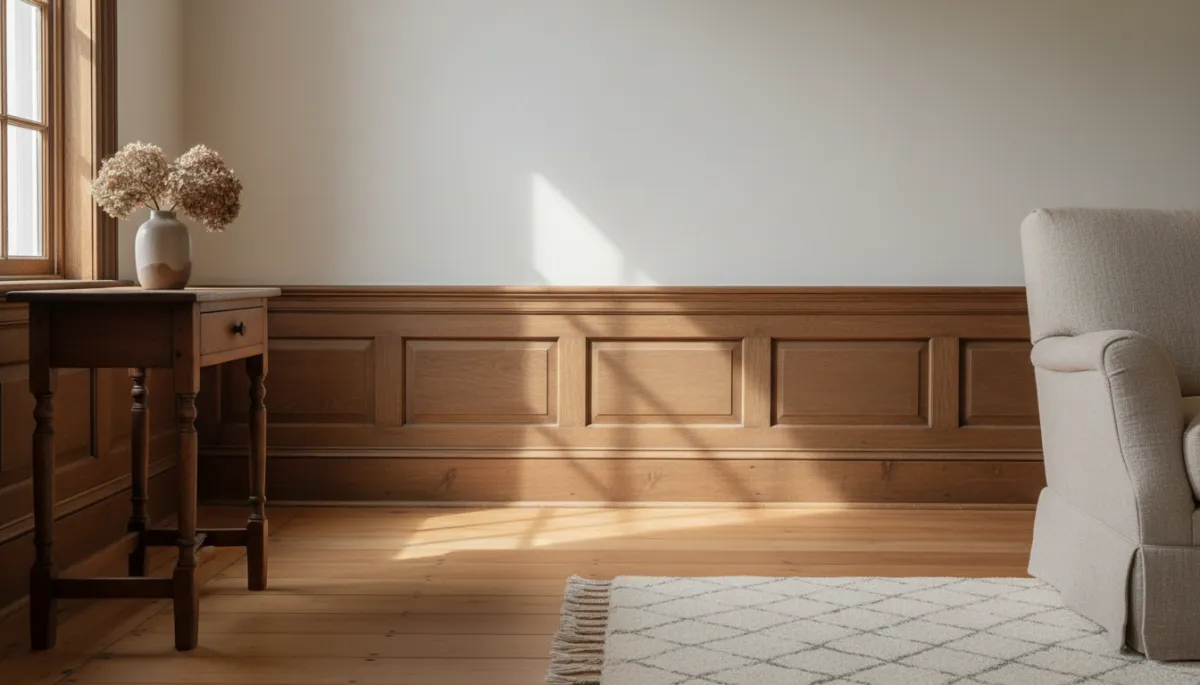
Centuries-old pine floors and trim add character you simply can’t buy new.
Many older homes also boast built‑ins—corner cupboards in Essex farmhouses, bookcases flanking fireplaces in Rockport cottages, or window seats in Newburyport townhouses. They’re charming, but they can also limit how you arrange furniture or where you can run new wiring. When you tour, imagine how you’ll actually live in the space, not just how it photographs on a sunny day.
Fireplaces: Cozy Ambience, Modern Reality
Multiple fireplaces are almost a given in 18th‑ and 19th‑century homes. You’ll see massive center chimneys in Ipswich saltboxes and elegant parlor fireplaces in Newburyport. They’re romantic and photogenic—but they’re rarely efficient heat sources in their original state. Many are now decorative only, or have been converted to gas or pellet inserts to meet modern safety standards and improve efficiency.
Before you count on a fireplace to offset winter bills, have a qualified chimney professional inspect it. This Old House has excellent guides on fireplace safety, liners, and inserts that can help you understand your options and costs. A full chimney rebuild or liner installation can easily run into the thousands, so factor that into your plans.
The Unseen Side: Older Plumbing and Electrical Systems
Behind the charm, many older North Shore homes still carry remnants of older plumbing and electrical systems. In parts of Gloucester and Manchester‑by‑the‑Sea, you’ll find houses where galvanized steel pipes or even sections of old cast‑iron waste lines are still in use. They may work today, but they’re prone to corrosion, reduced water pressure, and eventual failure. Re‑piping a house is a major expense but often a worthwhile one for long‑term peace of mind.
Electrical systems are another critical area. Knob‑and‑tube wiring, which you still see in some Salem and Beverly homes, isn’t automatically dangerous, but it can be a red flag for insurers and lenders. Many companies will require updates before issuing a policy or approving a loan. Old House Journal has in‑depth articles on updating old wiring while preserving historic fabric, and they’re worth a read if you’re serious about an antique home.
💡 Pro Tip: Ask your agent to recommend an inspector who specializes in older homes. A standard inspection is good; an inspector who knows antique framing, masonry, and mechanicals is better. Pair that with a review of your options using Consumer Financial Protection Bureau homeownership tools so you understand how repairs may affect your budget.
Insulation Challenges and Heating Costs in a Coastal Climate
The phrase “insulation challenges” comes up a lot in older home inspections. Many 1700s and early 1800s homes were built long before insulation was a concept. Later attempts to retrofit may have been partial or poorly executed. That’s why a January visit to a Manchester‑by‑the‑Sea antique can feel drafty compared with a newer Beverly subdivision home, even if they’re the same size.
The good news: programs like Mass Save offer energy assessments, rebates, and incentives for insulation and air‑sealing upgrades—even in historic homes. Energy Star’s homeowner resources can also help you prioritize improvements that deliver the biggest impact for your budget.
But you should still set realistic expectations about heating costs. An older Ipswich farmhouse with original windows, even with storms, will generally cost more to heat than a tight, modern condo in downtown Newburyport. Oil‑fired boilers, common in coastal towns, can be efficient when updated, but switching to gas or heat pumps can require significant up‑front investment. The National Association of Home Builders offers guidance on energy upgrades and how they affect long‑term operating costs.
Fieldstone Foundations: Solid, Quirky, and Sometimes Damp
Walk into the basement of a 1700s colonial in Essex or Rockport and you’ll likely find a fieldstone foundation: irregular stones carefully stacked and mortared together, often with a dirt or partial concrete floor. Many of these foundations have held up remarkably well through centuries of frost, storms, and coastal humidity. But they behave differently than modern poured concrete walls.
Some seepage or dampness can be normal in heavy rain, and many older homes rely on dehumidifiers as part of everyday life. Improper attempts to “waterproof” from the inside can actually trap moisture and damage the stone. That’s why it’s important to work with contractors who understand historic construction. The National Trust for Historic Preservation and This Old House foundation guides are good primers before you start any basement work.
📌 Key Takeaway: A fieldstone foundation that’s performed well for 250 years can be perfectly serviceable—but it will never be a bone‑dry, finished lower level without serious, and often expensive, interventions.
Historic Preservation Considerations: What You Can and Can’t Change
Owning an older home on the North Shore often means becoming a temporary steward of local history. That can come with historic preservation considerations you might not face in newer neighborhoods. In parts of Salem, Newburyport, and Ipswich, exterior changes—like replacing windows, altering rooflines, or adding dormers—may require review by a historic district commission. Even if your property isn’t formally protected, there may be strong community expectations about how you treat a historic facade.
The Massachusetts Historical Commission and Historic New England’s homeowner resources outline best practices for preserving character while making homes livable. The goal isn’t to turn your house into a museum; it’s to make thoughtful decisions so the next owner can fall in love with it, too.
Real‑World Snapshots from North Shore Towns
Ipswich: A first‑time buyer couple used our pre‑approval guide and secured financing for a 1720s saltbox. They budgeted an extra 10–15% of the purchase price for immediate repairs: updating electrical, adding insulation, and upgrading a tired boiler. Three years later, they say the creaky floors and sloping ceilings are still their favorite features.
Essex: A historic farmhouse with original built‑ins and a fieldstone foundation needed extensive drainage work after repeated spring flooding. The owners leaned on our Essex community guide to find local contractors familiar with antique properties, saving them from well‑intentioned but inappropriate “modern fixes.”
Gloucester: A former captain’s house near the harbor had spectacular original woodwork but 1970s mechanicals. The new owners phased upgrades over five years, starting with electrical and heating, then moving to insulation and window restoration. They used education tools from Freddie Mac and Fannie Mae HomeView to plan their financing strategy.
Rockport: A compact cottage with low ceilings and a tiny kitchen charmed a Boston transplant. Instead of a full gut renovation, she chose sensitive updates—refinishing wide pine floors, adding discreet mini‑split units, and keeping the original fireplace. Our Rockport guide helped her understand seasonal traffic, parking, and coastal weather realities before she committed.
Newburyport: In a brick Federal townhouse, the owners discovered hidden built‑ins behind drywall during a renovation. Working with guidance from HUD homeownership resources and local preservation groups, they restored the details while adding a modern, energy‑efficient kitchen.
Salem: A buyer drawn by the city’s history used our Salem community guide and first‑time buyer tools to navigate a home in a local historic district. Exterior paint colors and window replacements required review, but in exchange, they gained a home that’s part of one of New England’s most iconic streetscapes.
Beverly & Manchester‑by‑the‑Sea: Along the coast, salt air accelerates wear on wood and metal. Owners here often prioritize roof, siding, and window maintenance. Our Beverly and Manchester‑by‑the‑Sea guides highlight how to plan for coastal conditions, from wind‑driven rain to insurance requirements.
Maintenance, Repair Costs, and the Benefits of Older Construction
There’s no way around it: older homes usually require more maintenance and can come with higher repair costs than newer properties. You may pay a premium for specialized tradespeople, historically appropriate materials, or simply the extra time it takes to work on a house that isn’t perfectly square or plumb. A realistic rule of thumb is to set aside 1–3% of your home’s value each year for maintenance; with antiques, leaning toward the higher end is wise.
But there are real benefits of older construction, too. Many North Shore antiques were built with dense, old‑growth lumber and thoughtful siting to take advantage of sun, shade, and prevailing winds. Thick plaster walls can buffer sound and temperature swings. And the fact that a house has already stood through 200‑plus winters says something about its bones. Old House Journal often points out that repairable, durable materials—wood windows, plaster, solid wood doors—can outlast many modern equivalents when properly maintained.
💡 Budgeting Tip: Use tools from the Consumer Financial Protection Bureau alongside our own mortgage calculator to model not just your monthly payment, but also a realistic annual maintenance reserve.
Setting Realistic Expectations as a First‑Time Buyer
If this will be your first home, an antique can be both magical and overwhelming. That doesn’t mean you shouldn’t buy one—it means you should go in with realistic expectations. Here are a few grounding questions to ask yourself, ideally before you fall for the next 1700s colonial on Instagram:
Am I comfortable with ongoing projects, or do I need a mostly “done” home?
Do I have savings beyond my down payment to handle surprises?
Can I live with quirks—sloping floors, low doorways, slightly uneven walls—without wanting to “fix” everything at once?
Does my lifestyle fit the layout, or will I be fighting the house to make it something it isn’t?
Homebuyer education programs from organizations like HUD, Freddie Mac, and Fannie Mae HomeView can help you understand the financial side, while our local North Shore buyer guides fill in the regional details—from flood zones to coastal weather patterns.
Final Thoughts: The Rewards and Responsibilities of an Older Home
Living in an older New England home on the North Shore is not like living in a new build with historic‑style trim. It’s more like a long‑term relationship. There will be moments of pure joy—morning coffee on uneven wide pine floors, sea breeze drifting through wavy glass windows, the first crackle of a fire in a 200‑year‑old hearth. There will also be unexpected bills, slow‑moving projects, and the occasional draft that reminds you your house has seen more winters than you ever will.
Nobody tells you at the open house that you might spend a Saturday vacuuming up bits of old mortar in the basement, or that you’ll learn the sound of your boiler the way other people know their car engines. But they also don’t tell you how satisfying it is to repair a sash window instead of replacing it, or to know that your stewardship is part of why a particular house will still be standing for another generation of North Shore dreamers.
If you’re drawn to the history, the craftsmanship, and the quirks, an older home can be one of the most rewarding purchases you ever make—as long as you understand both the rewards and responsibilities. Explore our first‑time buyer resources, dive into our community guides for Ipswich, Essex, Gloucester, Rockport, Newburyport, Salem, and Beverly, and use our pre‑approval guide to start your journey with clear eyes and a full heart.


