The Hidden Streets of Essex: Quiet Back Roads Locals Love
The Hidden Streets of Essex: Quiet Roads Locals Love
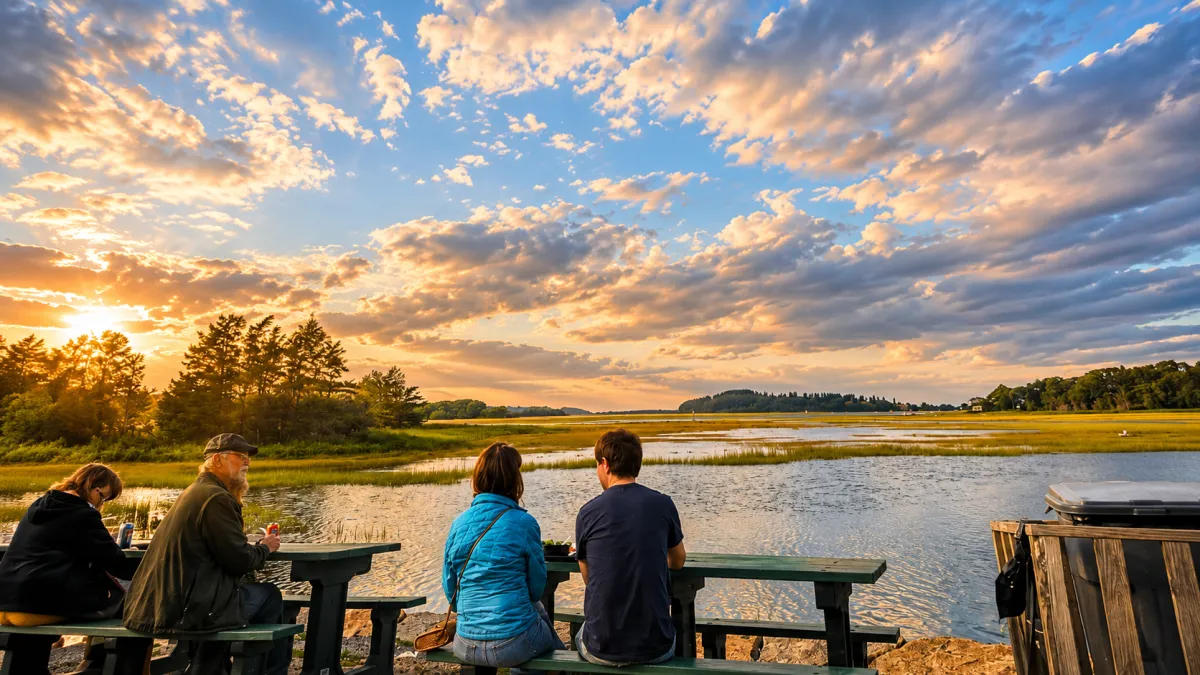
There is a specific kind of silence that only exists in Essex just after the sunrise has cleared the tree line. It isn’t the heavy, stagnant silence of a sleeping city, but a living, breathing hush. If you pull over on the edge of the salt marsh, you can hear the soft, rhythmic "slush-hush" of the tide receding through the spartina grass. It’s a sound that has remained unchanged since the first settlers arrived to build ships along these very banks.
While most visitors flock to the bustling causeway for a plate of world-famous clams or to browse the legendary antique shops, those of us who live here often find ourselves taking the long way home. We turn away from the hum of Route 133 and head toward the narrow, winding corridors where the history of the North Shore feels less like a museum exhibit and more like a neighbor. These are the hidden streets of Essex, the places where the air smells of salt and pine, and the only traffic you’re likely to encounter is a Great Blue Heron claiming its territory in a tidal pool.
The Rural Gateway: John Wise Avenue
If you approach from the north, you’ll likely find yourself on John Wise Avenue. While it serves as a primary artery connecting this town to our Ipswich community guide, it feels more like a scenic gallery than a commuter road. This stretch is a cornerstone of the Essex National Heritage Area, and for good reason.
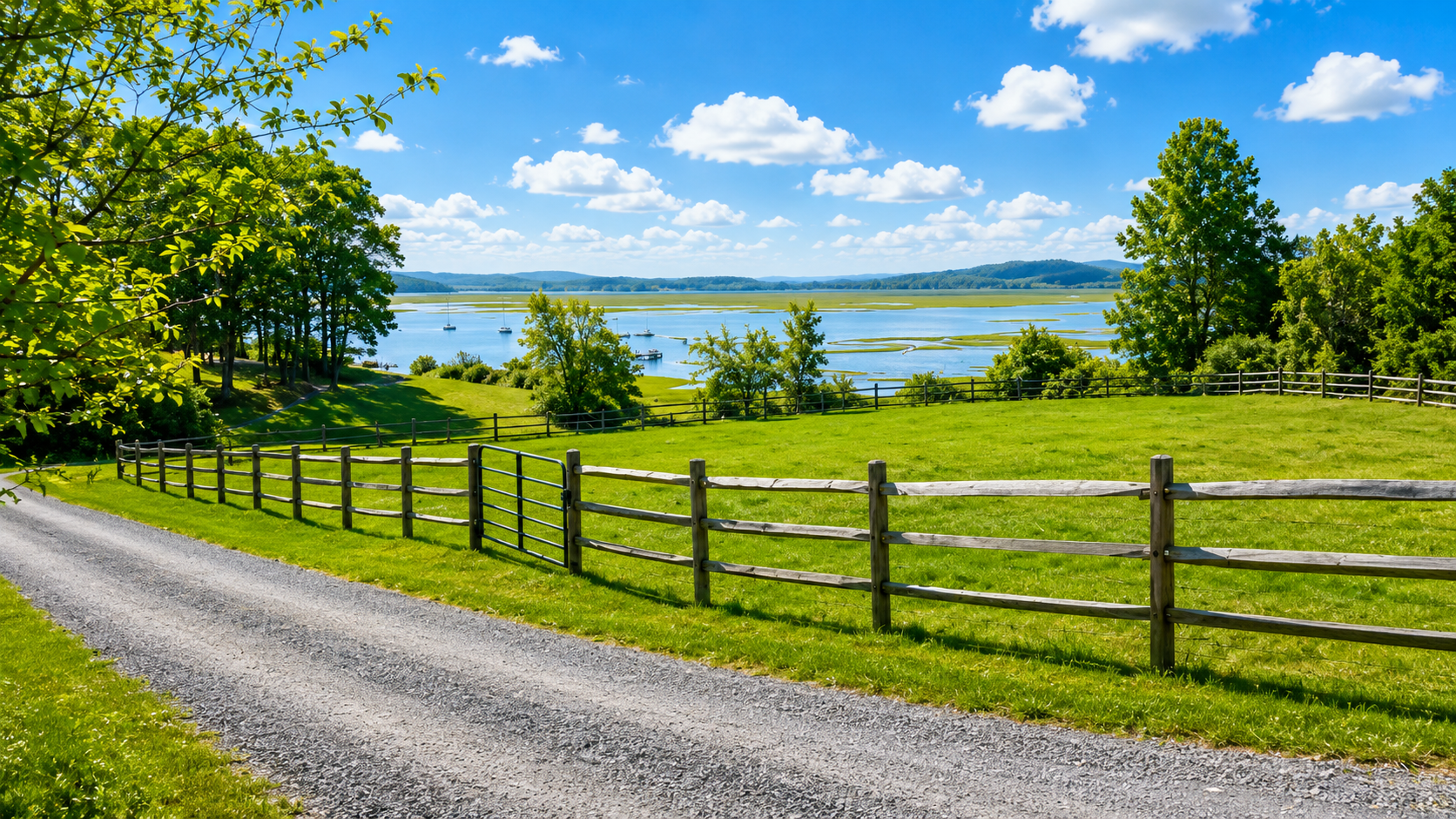
As you drive, the landscape opens up into the vast, emerald expanse of the Great Marsh. To a local’s eye, this road is a study in seasonal shifts. In the spring, the marsh is a vibrant, neon green; by late autumn, it transforms into a rich tapestry of ochre and gold. Historically, this area was the agricultural heart of the community, where farmers harvested "salt hay" to feed their livestock. Today, the Great Marsh Coalition works to preserve this delicate ecosystem, ensuring that the views remain as pristine as they were three centuries ago. For photographers, the pull-offs here offer some of the best wide-angle shots of the coastal landscape anywhere in New England.
The Pastoral Peace of Apple Street
There is a turn off the main road that feels like stepping through a wardrobe into another era. Apple Street is, quite simply, the quintessential New England backroad. Narrow and shaded by an archway of ancient maples and oaks, it is lined with the kind of lichen-covered stone walls that define the regional character.
Locals love Apple Street for its "slow-down" energy. It’s a favorite for morning joggers and cyclists who prefer the sounds of songbirds over the roar of engines. This road meanders past working farms and equestrian properties, offering a glimpse into the pastoral lifestyle that still thrives just a mile from the ocean. In the winter, after a fresh snowfall, Apple Street looks like a scene from a vintage postcard, with the dark lines of the stone walls cutting through the white drifts. It’s a place to remind yourself that the best things in life move at about three miles per hour.
Conomo Point: Where the Land Meets the Sky
Ask any local where they go when they need to clear their head, and they’ll likely point you toward Conomo Point. Located at the end of a winding residential road, "The Point" is a cluster of historic summer cottages that seem to cling to the rocky edge of the Essex River.
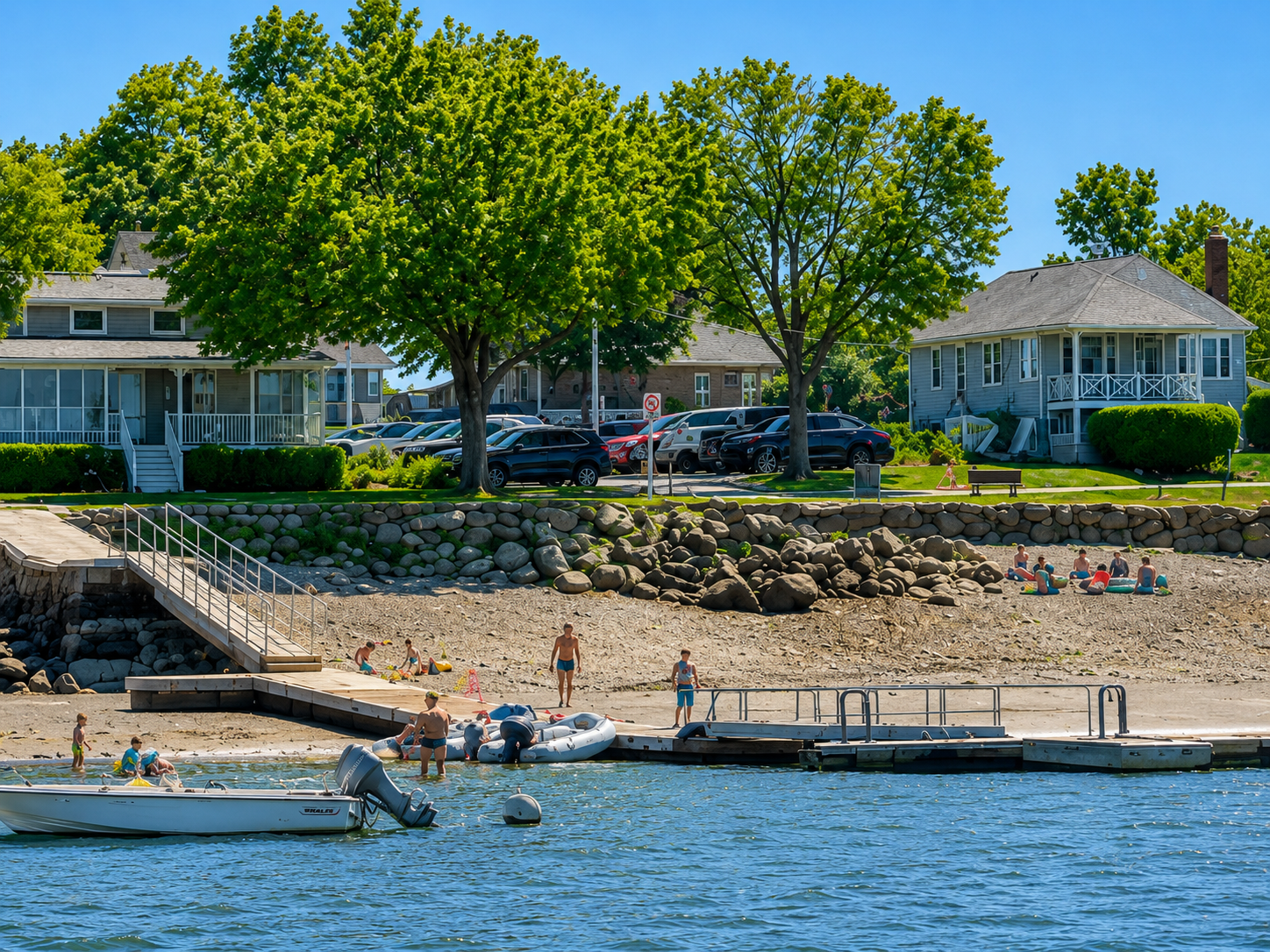
Visiting Conomo Point feels like reaching the end of the world, in the best possible way. The Town of Essex maintains this area with a quiet pride, preserving the public access points that allow everyone to enjoy the panoramic views of the river and the distant dunes of Crane Wildlife Refuge. At high tide, the water is a deep, swirling sapphire; at low tide, the intricate mudflats and sandbars reveal the secrets of the riverbed. It is a place of transition, where the freshwater of the inland ponds finally meets the salt of the Atlantic. If you’re looking for a North Shore relocation guide, this is the kind of neighborhood that usually seals the deal.
Inland Serenity: Southern Avenue and Chebacco Lake
While much of the town’s identity is tied to the sea, there is a freshwater soul to Essex that shouldn’t be overlooked. Heading south toward the Manchester-by-the-Sea community guide border, Southern Avenue leads you deep into the woods.
This is the gateway to Chebacco Lake, a 209-acre "Great Pond" shared with our neighbors in Hamilton. The Chebacco Lake Association works tirelessly to protect the water quality here, making it a haven for local wildlife. On a calm morning, the lake acts as a perfect mirror for the surrounding forest.

Locals appreciate the lake roads for their seclusion. While the coastal marshes are wide and airy, the roads around Chebacco are intimate and cozy. You’ll find people launching kayaks from the public access points or simply sitting on a tailgate, watching the mist rise off the water. It’s a different kind of Essex, one dominated by the smell of pine needles and the call of the loon rather than the salt spray of the harbor.
The Village Side Streets: A Walk Through Time
Back in the center of town, the Essex Historical Society and Shipbuilding Museum stands as a reminder of the industry that built this community. But to truly feel the history, you have to leave Main Street and wander into the village side streets.
Roads like Winthrop Street and Martin Street are lined with meticulously preserved federal and colonial-style homes. Unlike the grand mansions you might find in our Salem community guide or the Beverly community guide, these homes have a sturdy, practical elegance. They were the homes of shipwrights, sea captains, and merchants. Walking these streets at dusk, with the warm glow of "candle" lights in the windows, you can almost hear the ghostly ring of the caulking mallets from the shipyards. If you are exploring our buyer guides, these historic pockets often provide the most inspiration for what "home" can truly look like.
The Marsh Roads and the Call of the Wild
Finally, no exploration of Essex is complete without a slow drive along the various marsh roads that skirt the edges of the river. These roads, often dead-ends that lead to private docks or conservation land managed by The Trustees and Mass Audubon, are where the wildness of the North Shore is most evident.

Following the guidance of NOAA Coastal Resources, the preservation of these lands has allowed species like the Snowy Egret and the Osprey to thrive. When you drive these roads, keep your windows down. You’ll hear the wind whistling through the reeds and the distant cry of gulls. For those who enjoy Essex River Basin Adventures, seeing these marshes from the road is just the beginning of the story. These quiet stretches connect our town to the Gloucester community guide and the Rockport community guide, forming a continuous ribbon of coastal beauty.
Questions About the Quieter Side of Essex
What is Essex, MA most known for?
While famous for its "Fried Clam Wars" and a dense collection of over 30 antique shops, Essex is also a world-renowned center for historic wooden shipbuilding and the heart of the Great Marsh.
What are the most scenic roads in Essex for a quiet drive?
Apple Street and John Wise Avenue are the top choices for scenery. Apple Street offers pastoral farm views, while John Wise Avenue provides expansive views of the salt marshes.
Can visitors access Conomo Point?
Yes, there are public access areas at Conomo Point, though parking is limited and often restricted to residents in certain zones. It is best enjoyed as a destination for a walk or a bike ride.
What is the "Great Marsh"?
The Great Marsh is the largest continuous salt marsh in New England, stretching from Gloucester to Newburyport. It is a vital ecological resource protected by organizations like the Massachusetts Division of Fisheries and Wildlife.
Are there good places for bird watching in Essex?
Absolutely. The roads leading toward the Crane Wildlife Refuge and any of the marsh-side pull-offs on John Wise Avenue are premier spots for spotting herons, egrets, and hawks.
Is Essex a walkable town?
The village center is very walkable, featuring shops and museums. However, exploring the "hidden" roads mentioned here is best done by car or bicycle due to the distances between the coastal and inland areas.
What makes Essex different from neighboring towns like Ipswich or Manchester-by-the-Sea?
Essex has a unique "working-waterfront" feel combined with a rural, agricultural interior. It lacks the large sandy beaches of Ipswich or the high-cliffs of Manchester, offering instead a more intimate relationship with the river and the marsh.
Final Thoughts
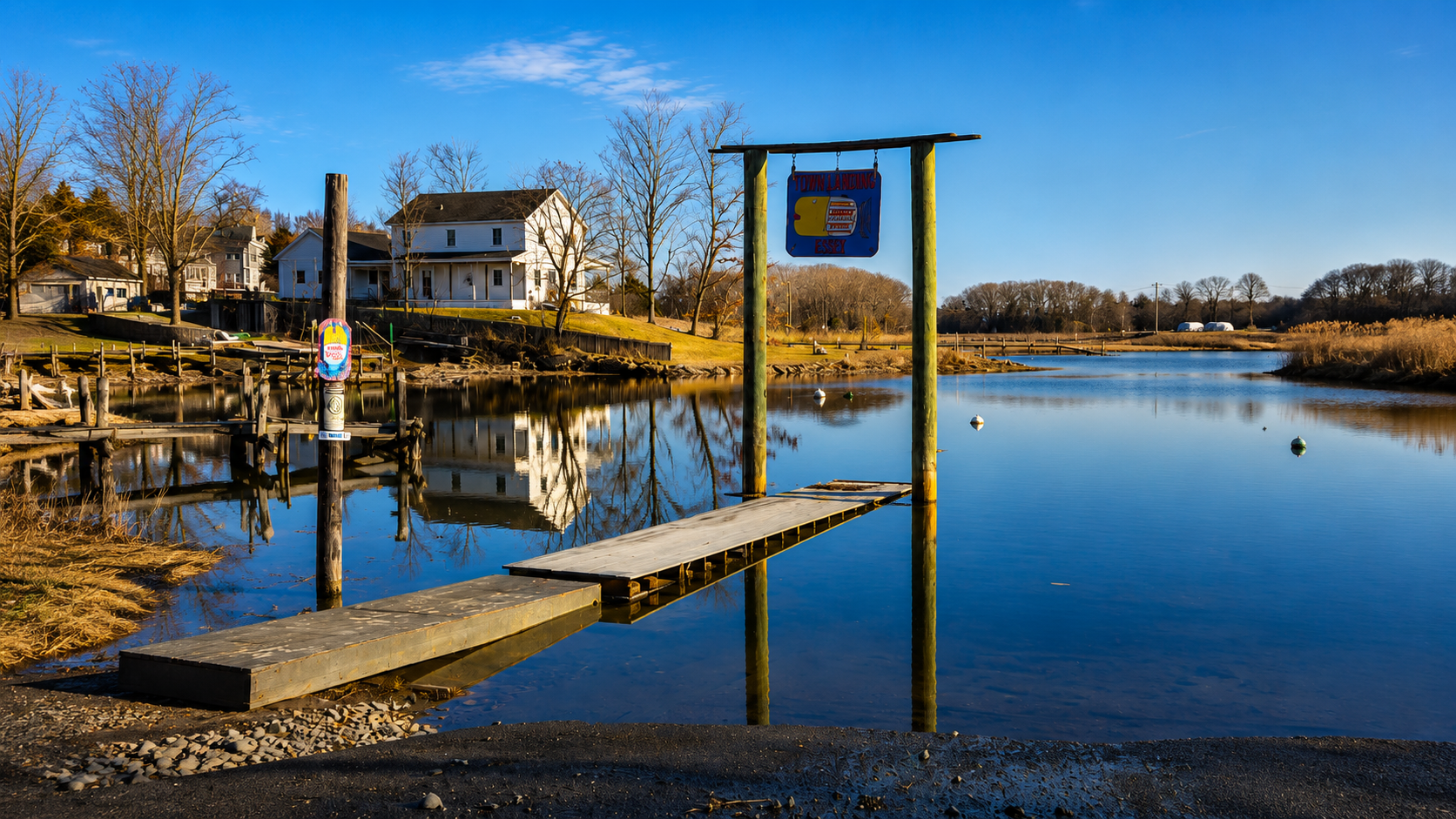
There is a rhythm to life in Essex that isn’t dictated by the clock, but by the tides and the seasons. To find it, you simply have to be willing to turn off the beaten path. Whether you are seeking the golden light hitting the salt hay on John Wise Avenue or the mirrored stillness of Chebacco Lake, the town reveals its true character on its quietest roads. For more information on things to do across the North Shore and further Essex community guide details, we invite you to explore the rest of our local resources and the Massachusetts Office of Travel and Tourism.
The next time you visit, we hope you take the long way home. You might just find that the hidden streets of Essex are exactly where you were meant to


