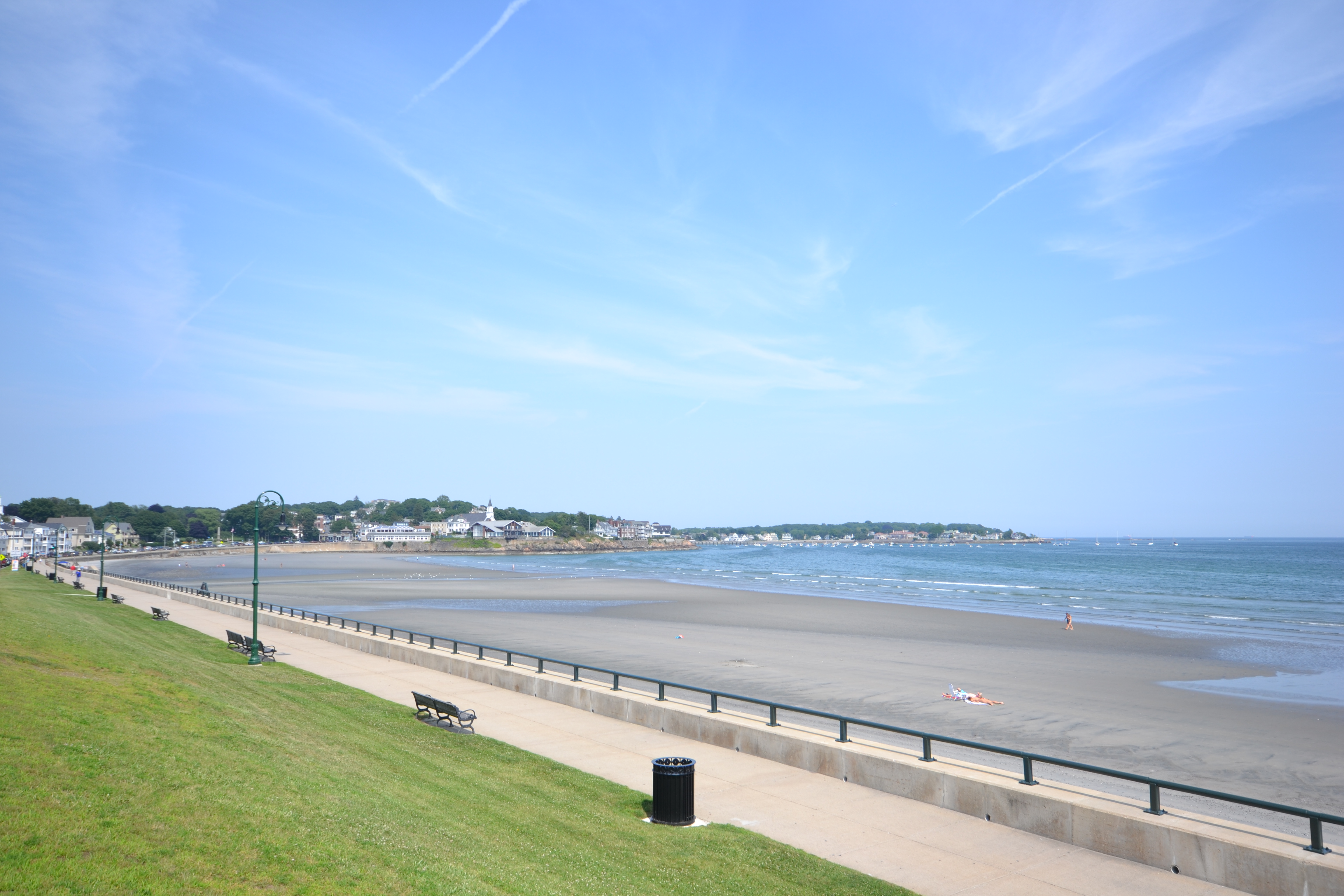
Explore Boston's North Shore Hidden History
New England History, North Shore Massachusetts History, Salem History
The Hidden History of Boston’s North Shore: Stories Beneath the Salt Sea Air
The coastal roads of Essex County look simple enough: weathered wooden houses, lobster traps, tidy green lawns, and church steeples piercing the sky. But behind the cedar shingles and brick facades lies a layered past that shaped not only New England, but the entire country. Much of it is invisible when you are rushing to work, touring open houses, or circling for a parking spot on a crowded summer Saturday.
History Lives on Every North Shore Street
Past and present meet in the coastal towns of Essex County
Gloucester and Essex: Where Wooden Hulls Met the Open Sea
Stand on Gloucester’s working waterfront at dawn and you can almost hear it: the creak of lines, the slap of waves against wooden hulls, the roll call of names for crews heading out to the George’s Bank. For nearly four centuries, this harbor has been a stage for hard work , its story written in codfish, storms, and shipbuilding skill. Gloucester’s maritime history is not a small footnote; it was once a driving engine of a global fish trade that fed cities thousands of miles away.
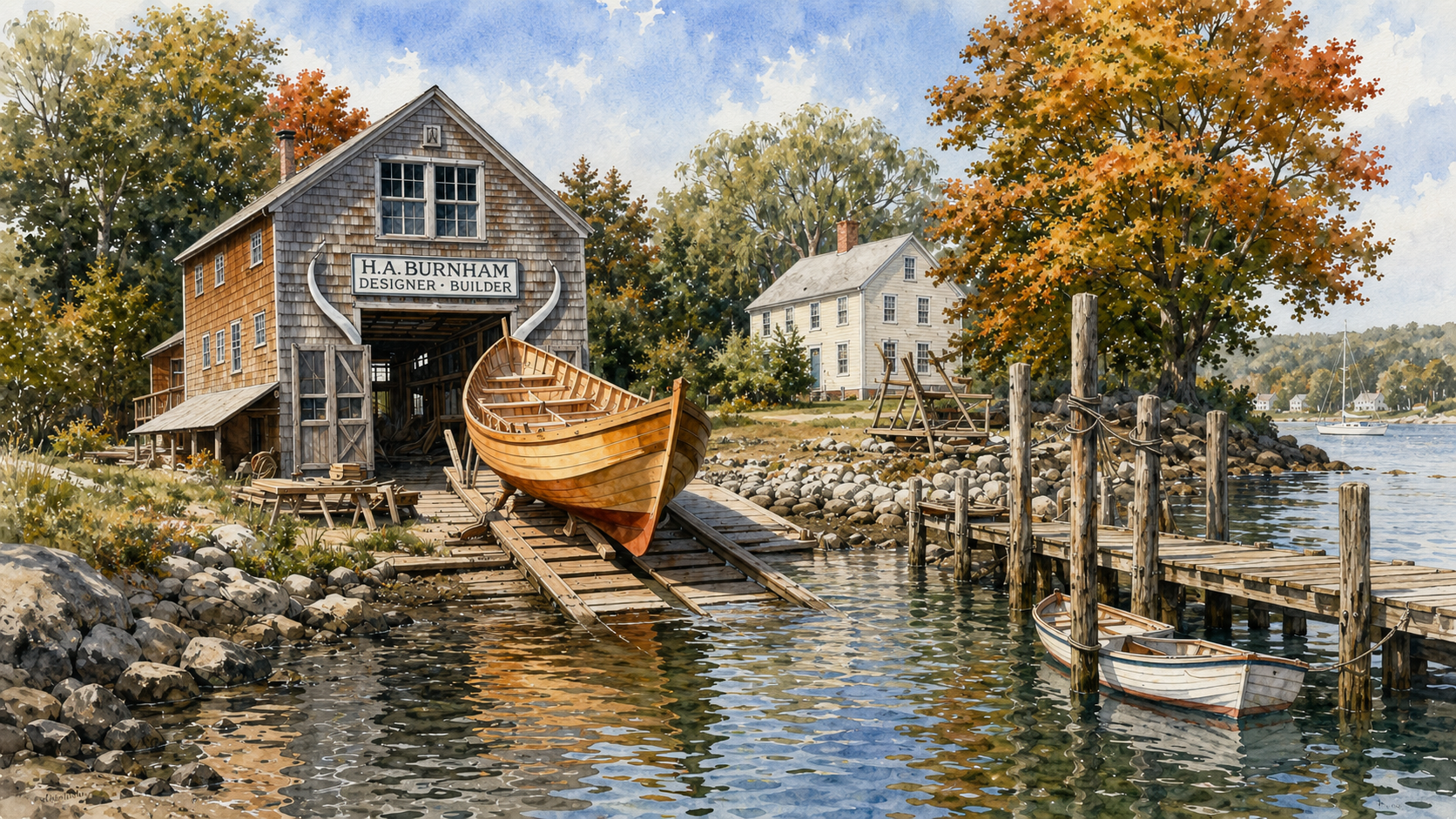
A few miles inland, in the town of Essex, the river bends past quiet marshes and modest houses. It is hard to imagine that these banks once rang with the sound of hammers and saws. In the nineteenth century, Essex was one of the busiest wooden shipbuilding centers in the world. Shipyards lined the water, turning out sleek fishing schooners by the hundreds . Families passed down designs and techniques the way others passed down recipes. A boy might learn to read his own name, then learn how to shape a frame timber, all before his twelfth birthday.
Picture a day in 1883: a brand-new schooner sliding down greased ways into the Essex River, townspeople crowding the shore, hats thrown into the air. The name of the vessel is painted in careful gold leaf, but what you do not see are the mortgages tied to her future catch. The families who built and sailed these boats put everything they had into the hands of the sea. Today, when you pass an old yard site or a rotting pier, you are looking at the remains of a high-risk, high-skill industry that shaped the region’s character and economy.
💡 Friendly Note: As you stroll along the waterfront on a quiet day, try imagining today’s restaurants and fish markets as the natural extension of those centuries of work at sea, where the clamor of old working docks has softened into cozy cafés and eateries looking out over the water.
That legacy stretches into Gloucester’s modern maritime story, where fishing permits, waterfront zoning, and tourism all intersect on the very same piers where today’s fishing boats tie up, whale‑watching tours depart, and ice cream stands and souvenir shops open their doors.
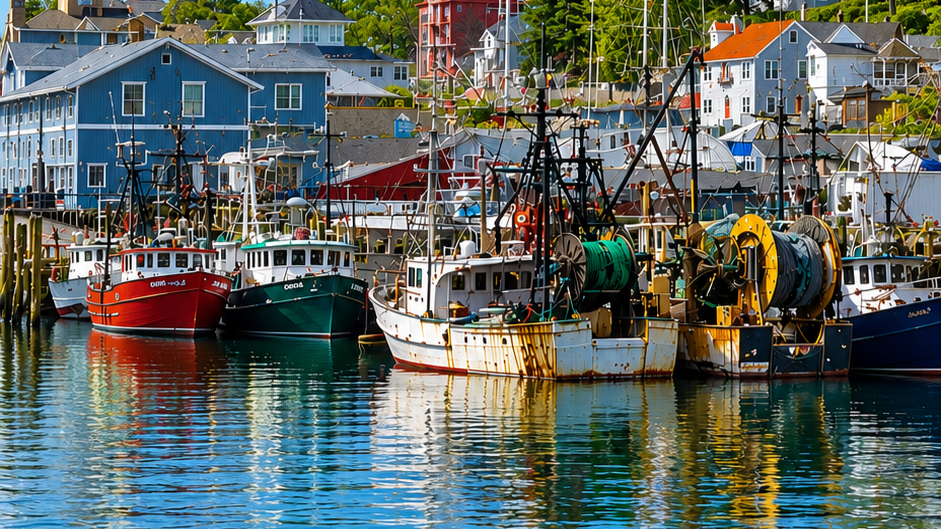
The working waterfront still echoes the shipyards and schooners that built local fortunes.
Salem’s History: Beyond Witch Hats and Window Stickers
Salem’s history is often flattened into a Halloween costume: a pointed hat, a plastic broom, a storefront full of quirky souvenirs. But if you walk Essex Street or pass its old burying grounds outside tourist season, the story sharpens into focus. In 1692, fear and division turned this coastal town into an open‑air courtroom . Nineteen people were hanged, one man was pressed to death, and dozens were jailed on the basis of “spectral” evidence and neighborhood grudges. The witch trials were not just a strange episode; they were an early American lesson in what happens when the idea of justice collapses under pressure.
“On Salem’s streets today, shops and cafés mingle with quiet memorials, reminding residents and visitors that old stories still live in everyday life.”
Imagine a late‑winter evening that year. A farmer from what is now Danvers heads home across crusted snow, the meetinghouse light of Salem glowing behind him. His neighbor’s wife has just been named in court. He has watched good people whisper lies to protect their families. He has seen a minister’s words spark panic instead of comfort. And he knows that tomorrow, he might be the one called to testify. The air is cold enough that his breath looks like smoke, but the deeper chill is the knowledge that the law has lost its anchor .
The lasting impact of the Salem witch trials reaches far beyond October tourism. Legal scholars trace how the later rejection of those proceedings helped shape American ideas about evidence, the rights of the accused, and the separation of church and state. Locally, that remembering is woven into place names, memorials, and even the way residents talk about justice and reputation. When you see a modest colonial or Federal house in Essex County marketed with a nod to “Salem history,” you are looking at a property built atop a cautionary tale about power and suspicion, and at the same time just steps from restaurants, cafés, and small shops that welcome visitors year‑round.
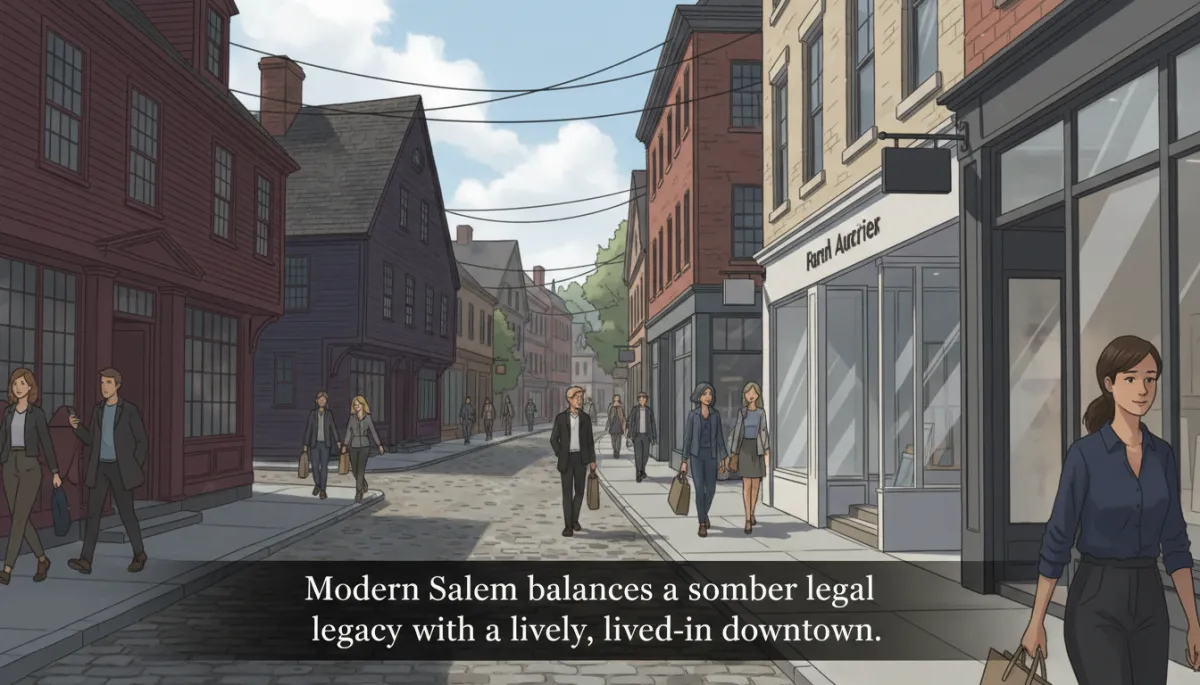
Modern Salem balances a somber legal legacy with a lively, lived‑in downtown.
Newburyport’s Colonial Past and Its Road to Revolution
Newburyport’s colonial history is written in brick and granite along the Merrimack River. Today, downtown looks almost too charming to be real—brick sidewalks, elegant Georgian doorways, masts nodding in the harbor. But in the decades leading up to the American Revolution, this was a rough‑edged port town where rum, molasses, and political ideas moved quickly. Merchants here financed privateer ships that harassed British vessels and backed the patriot cause. Taverns doubled as newsrooms, as sailors brought rumors from London and the Caribbean.
Picture a crowded wharf in 1774. A ship has just arrived from Boston with word of the latest restrictions. In a nearby countinghouse, a merchant runs his finger down a ledger, tallying how much he might lose if he backs the rebellion—or if he does not. Outside, apprentices and dockworkers argue about liberty in the same breath as wages and bread prices. The American Revolution was not an abstract debate; it was a daily choice, played out in places like Newburyport, where picking the “wrong” side could mean bankruptcy or worse.
📌 Key Takeaway: When you wander today among local clothing boutiques, bakeries, and riverfront restaurants in Newburyport, you are walking the same streets that once hosted fierce arguments about politics and trade—streets that have since become a favorite destination for shopping and dining out .

Many colonial homes here once housed merchants, ship captains, and Revolutionary‑era decision makers.
The Great Influenza and a Quiet Coastal Disaster
Not every turning point in history announces itself with cannon or court records. In 1918 and 1919, the great influenza pandemic moved across the North Shore like a low tide that never quite went out. Newspapers from Salem to Gloucester filled with notices: church services cancelled, funerals restricted, schools closed “until further notice.” Doctors and nurses worked themselves to exhaustion in people’s homes and in makeshift wards. Entire streets came to recognize the sound of a wagon stopping again outside a house with its curtains drawn.
Picture a narrow side street in Beverly in October 1918. A young woman stands at an upstairs window, watching neighbors step out onto their porches at the same time each evening to check on one another from a distance. The factories are quieter. The streetcar feels dangerous. A black ribbon appears on one front door, then another. The pandemic reshaped families, the workforce, and even the way towns thought about public health. Some of the sturdy three‑deckers and modest houses you pass today once held entire families in quarantine, their stories recorded in little more than a single line of a town report.
From Essex County’s Historic Homes to
Today’s Neighborhoods and Values
History here is not locked away only in museums; it is rooted in property lines, building patterns, and price tags. Essex County’s historic homes —from old wooden houses in Ipswich to brick homes in Salem and Newburyport—owe their existence to the industries and events that came before them. Sea‑borne wealth paid for ornate entryways and intricate woodwork. Revolutionary‑era trade created commercial districts that are now desirable walkable centers full of shops and restaurants. Factory‑era housing patterns shaped the denser neighborhoods close to transit and water.
The result is that a listing for a “charming old house” is rarely about charm alone. A cottage in Gloucester might sit on a tiny lot because, in the past, land close to the harbor was too valuable to waste on big yards—every foot mattered for net‑mending sheds and boat storage. A Federal‑style house in Newburyport with high ceilings and a river view reflects a time when maritime fortunes were poured into architecture that still commands a premium. A modest worker’s house in Salem, built for someone whose name never made the history books, now benefits from a downtown shaped by centuries of trade, tourism, and legal legacy.
💡 Tip for Residents and Visitors: In many of these neighborhoods today you will find small shops, cafés, and restaurants housed in buildings from the eighteenth or nineteenth century. Taking a break for coffee or a snack is a simple way to enjoy history and modern life at the same time.
If you live on Boston’s North Shore, it is worth remembering this when you wonder why two streets that look so similar can have such different home prices.
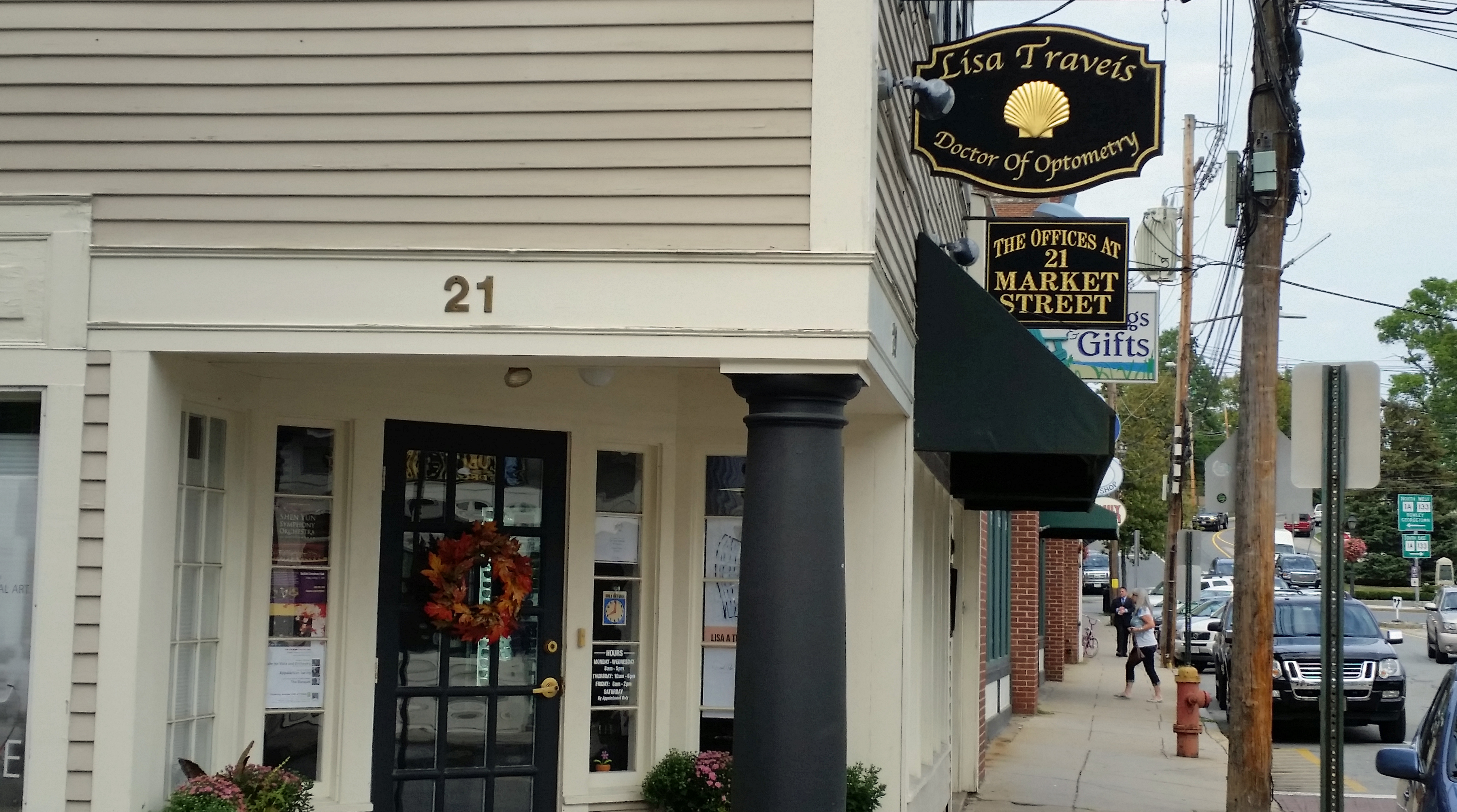
Walkable town centers grew from centuries of layered commerce, worship, and civic life.
Q&A: North Shore Massachusetts
History Right Outside Your Front Door
Q1: Why do so many North Shore towns have well‑preserved historic districts?
Many coastal communities saw economic decline in the nineteenth and early twentieth centuries as shipping routes changed and industry moved elsewhere. Paradoxically, slower development meant fewer buildings were torn down. Later, local historical commissions and engaged residents pushed to preserve these streets, turning former commercial and waterfront zones into desirable mixed‑use and residential neighborhoods that today are full of shopping and dining opportunities.
Q2: How did Gloucester’s maritime history shape housing patterns?
Working waterfronts required dense, practical housing close to the harbor. Fishermen needed to walk to their boats before dawn, and shipyard workers had to live near their jobs. That created tight‑knit neighborhoods of small lots and simple houses near the water, contrasted with larger captain’s homes on slightly higher ground. Those patterns still influence which streets feel “plain but close to the harbor” and which read as “grand” today.
Q3: What makes Newburyport’s colonial history so visible to homebuyers today?
A major fire in 1811 destroyed much of Newburyport’s wooden downtown. Rebuilding in brick created the cohesive streetscape you see now. The concentration of late‑eighteenth‑ and early‑nineteenth‑century architecture—tied to trade and Revolutionary‑era shipbuilding—gives buyers a rare chance to live in very historic homes while still being part of a modern riverfront city filled with restaurants and shops.
Q4: Did the Salem witch trials really change anything in American law?
Although the changes were gradual, the trials became a go‑to example of what not to do. Later legal thinkers pointed to Salem when arguing against spectral evidence, coerced confessions, and religious intrusion into civil courts. Over time, this helped reinforce a stronger emphasis on due process , evidentiary standards, and the separation of church and state in American legal culture.
Q5: How does all this history affect home values on the North Shore today?
Buyers often pay a premium for walkable, character‑rich neighborhoods with cohesive streetscapes, water access, and historic architecture. Towns that can tell a compelling story—through museums, tours, or even just well‑preserved buildings—tend to attract visitors and would‑be residents. That demand supports local businesses and, in turn, bolsters property values in these historically significant areas, creating a comfortable environment for shopping, dining, and spending time with family.
Final Thoughts: Reading the Streets of Essex County
The history of North Shore Massachusetts is not sealed behind glass. It is in the pitch of a roofline in Ipswich, the curve of a wharf in Gloucester, the rhythm of brick façades in Newburyport, and the quiet headstones in Salem. Each story—of Essex shipbuilders, the accused in Salem, Newburyport merchants, and families facing the great influenza—left marks you can still see in property boundaries, neighborhood identities, and even in the way people talk about their towns today.
For residents, understanding this past can turn an ordinary commute into a walk along a living timeline . For homebuyers, it can explain why one side of a street feels slightly different from the other, or why a particular town center inspires such strong loyalty—and higher prices. And for anyone who has ever stood on a North Shore pier and felt—without quite knowing why—that the place carries weight and memory, these layers are the reason.
As Kathleen Militello and other local observers have noted, once you learn the stories, you see the coastline—and the cafés, shops, and restaurants that line its streets—as well as your own neighborhood in a new, more deeply felt way.


