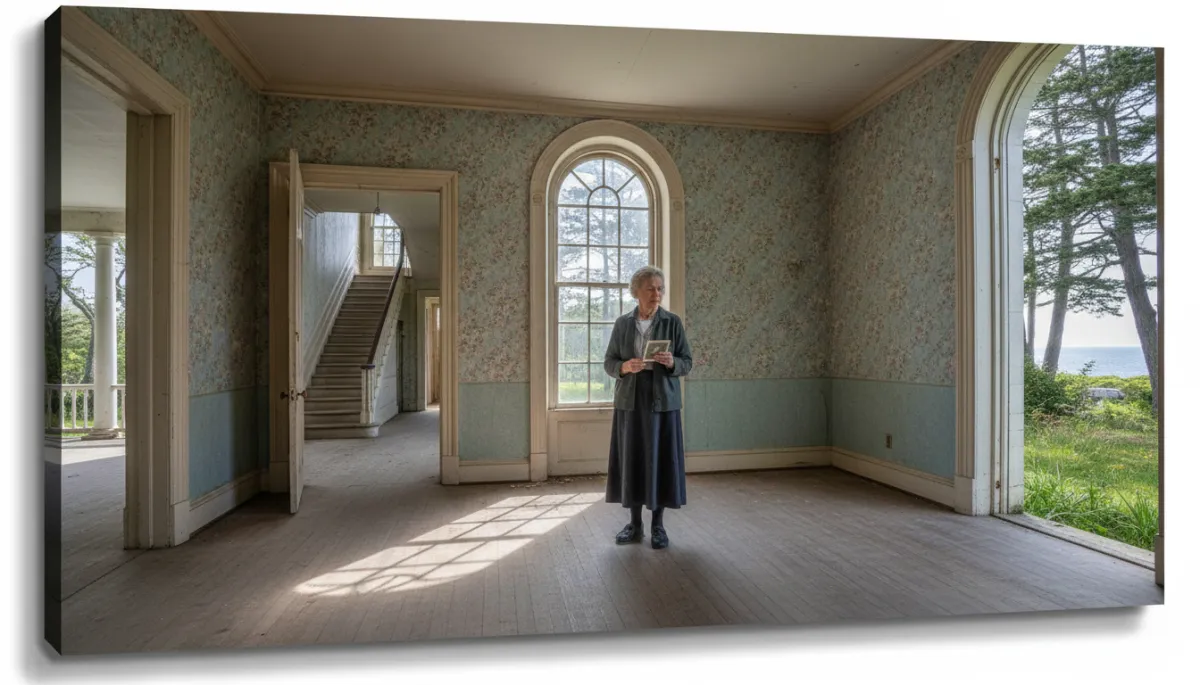
Hidden Costs of Oversized Homes on North Shore
North Shore Coastal Life, Downsizing, Home Ownership
The Hidden Costs of Staying in a Home That’s Too Big on the North Shore
When the kids are grown and the house grows quiet, those once-beloved extra rooms can start to feel less like comfort and more like a weight. Along the North Shore, from Ipswich to Salem, many longtime homeowners are quietly asking themselves: “Is this house still right for the life I’m living now?”
The Evening a Big House Started to Feel Too Large
One November evening in Beverly, just after the clocks changed, Ellen walked through her colonial off Cabot Street turning off lights. She passed the closed door of what used to be her son’s bedroom, then her daughter’s, then the bonus room over the garage that once held a ping-pong table and late-night laughter. The house, almost 3,000 square feet, hummed with the sound of the furnace and the faint rattle of old windows. But only two rooms were truly lived in: the kitchen and the small den where she and her husband watched TV.
She paused at the base of the stairs, hand on the railing, and realized she was tired—not just from the day, but from the constant work of caring for a house that no longer matched her life. The home that had once held birthday parties, prom photos, and college move-in piles now felt like a museum of memories, expensive to heat and hard to clean, with entire rooms she entered only to dust or vacuum before the holidays.
The Quiet Truth About Unused Rooms
On the North Shore, it’s common to hear, “We keep the extra bedrooms for when the kids visit.” In Ipswich, a four-bedroom near Crane Beach might see all its beds filled a few weekends a year. In Rockport, a big cape with a finished attic might host grandkids on summer visits. The rest of the time, those rooms sit in silence—still heated, still insured, still taxed, still cleaned, even when no one is sleeping there.
Unused rooms are more than sentimental spaces; they’re carrying costs. Every square foot you’re not really living in is quietly asking you for money and energy. If you find yourself closing doors to “keep the heat in” or avoiding an entire floor except for when company comes, it may be a sign that your home has grown larger than your daily life needs. Resources like the National Institute on Aging’s guidance on aging in place can help you think about how much space truly serves you as the years go on.
Property Taxes: Paying for Space You Don’t Use
Essex County property taxes can sting, especially in towns like Manchester-by-the-Sea, Marblehead, and parts of Gloucester and Beverly. Even in more modest neighborhoods of Salem or Ipswich, the tax bill that arrives each quarter may reflect a lifestyle you’re no longer living—kids in every bedroom, guests every weekend, large gatherings in the dining room.
When you stay in a home that’s larger than you need, you’re essentially paying property taxes on memories. That doesn’t mean those memories aren’t worth honoring. But it’s fair to ask: Is this the best use of our resources now? Looking at current listings on EssexCountyHomesForSale.com and comparing tax assessments on smaller homes or condos in your town can be eye-opening. The difference between a 4-bedroom single-family and a 2-bedroom condo in Salem or Beverly can translate into thousands of dollars a year—money that could support travel, hobbies, or simply peace of mind.
Heating, Cooling, and Insurance: Comfort at a Cost
North Shore winters are beautiful, but they’re not gentle. Heating a large colonial in Ipswich or a rambling Victorian in Salem through January and February can feel like feeding dollar bills into the furnace. Even if you shut vents in unused rooms, your system still works to push warm air through a big footprint. In summer, if you have central air, you’re cooling hallways and guest rooms that may see only a handful of visitors each year. The U.S. Department of Energy’s home efficiency tips often highlight how much energy is wasted in unused spaces.
Insurance adds another layer. A larger home, especially an older one in Gloucester or Essex with a big footprint, typically means higher homeowners insurance premiums. More square footage, more roof, more plumbing, more potential for something to go wrong. Coastal proximity can also affect rates. Shrinking your living space—whether into a smaller single-family or a condo—can reduce both heating and cooling costs and insurance, freeing up money for the life you want now, not the life you had twenty years ago. You can explore how different property types on EssexCountyHomesForSale.com might change your carrying costs.
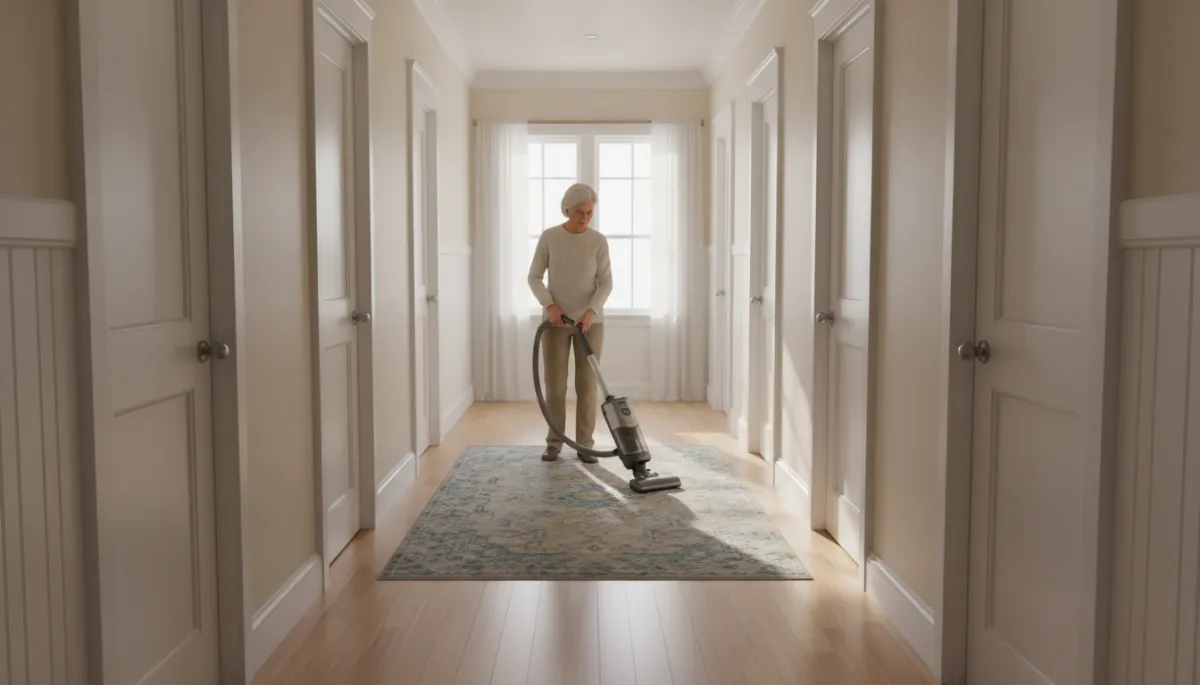
Every extra hallway and room quietly adds hours of work and ongoing expense.
Maintenance, Roofs, and the Never-Ending To-Do List
Walk down a side street in Gloucester or Essex and you’ll see it: ladders leaned against clapboard, contractors’ trucks in the driveway, tarps on roofs. Big houses require big upkeep. Siding needs painting, decks need staining, gutters need cleaning. A larger footprint means more exterior walls, more windows, more trim. The AARP home maintenance checklists are a sobering reminder of how much work a house demands as we age—work that often ends up outsourced at a high cost or postponed until it becomes an emergency.
Then there’s the roof. Replacing the roof on a large colonial in Beverly or a wide ranch in Ipswich can run tens of thousands of dollars. Even if you only use half the rooms, you’re still responsible for the entire structure overhead. A smaller home or condo means a smaller roof—or shared responsibility in a condo association. When you browse townhome and condo options on EssexCountyHomesForSale.com, you can almost feel the weight of that future roof bill lifting, especially when you factor in association-covered exterior maintenance.
Exterior Upkeep, Landscaping, and Snow: The Work Outside Your Windows
The North Shore does seasons with drama. Lush green summers, fiery autumns, heavy winter storms. With that beauty comes work. In Essex and Ipswich, a big yard can mean hours on the mower, raking leaves under towering maples, trimming hedges, and wrestling with overgrown garden beds. In Rockport or Gloucester, ocean air adds peeling paint and rust to the list. The CDC’s data on falls among older adults is a quiet reminder that yard work and ladders can become risky as the years go on.
Then there’s snow removal. Picture a February storm in Salem: the plow mound at the end of the driveway, the front steps buried, the back deck hidden under a heavy white blanket. A long driveway or multiple entrances can mean hours of shoveling or expensive plowing contracts. At 45, this might feel like a good workout. At 70, it can feel overwhelming—or dangerous. A smaller property, a condo in downtown Beverly, or a compact home in Salem’s historic neighborhoods can reduce or even eliminate snow responsibilities. Many condos and 55+ communities, like those you’ll find through EssexCountyHomesForSale.com, include snow removal and landscaping, turning back-breaking chores into a line item in a predictable monthly fee.
The Hidden Cost of Time: Cleaning, Storage, and “Stuff”
When you live in a big house, you don’t just maintain space—you maintain everything that fills it. In a four-bedroom in Ipswich, Saturday mornings might disappear into vacuuming stairs, dusting guest rooms, wiping down three bathrooms, and clearing clutter from surfaces you barely use. Cleaning time is a cost we rarely put a number on, but it’s time you could spend walking the beach at Good Harbor, meeting friends in downtown Salem, or visiting family out of state. The National Institute on Aging’s tips for healthy aging often emphasize staying active and socially engaged—things that are harder to prioritize when your weekends are swallowed by housework.
Storage is another quiet trap. Basements in Beverly filled with boxes from three moves ago. Attics in Gloucester full of old furniture “just in case.” Closets in Salem stuffed with winter coats for kids who now live in other states. The more space we have, the more we tend to keep. Downsizing—whether now or later—means eventually facing those boxes. A smaller home naturally limits how much you hold onto. Many people who move into townhomes or condos they’ve found on EssexCountyHomesForSale.com describe a surprising sense of relief in owning less and cleaning less. It’s not just about money; it’s about mental space.
💡 Gentle Reflection: If you spend more time caring for your house than enjoying where you live, your home may be costing you more than you realize—emotionally as well as financially.
Stairs, Accessibility, and the Reality of Aging in Place
Many classic North Shore homes—those beautiful colonials in Ipswich, Victorians in Salem, and capes in Rockport—were not built with aging bodies in mind. Steep front steps, narrow hallways, laundry in the basement, bedrooms on the second floor: these features are charming at 40 and daunting at 75. The AARP HomeFit Guide outlines how to make homes safer and more accessible, but retrofitting a large, older property can be expensive and disruptive.
Stairs, in particular, become a daily negotiation. Do you avoid going upstairs except at night? Do you carry laundry baskets slowly down to the basement, one hand on the railing, heart in your throat? The physical demands of stairs are a hidden cost of staying in a big home. A smaller ranch in Essex, a first-floor condo in Beverly, or an elevator building in Salem can change the shape of your days—less worry about falls, less pain in your knees, more freedom to move around your home comfortably. Exploring single-level and accessible options on EssexCountyHomesForSale.com can help you picture a future where your home supports your body, not the other way around.
Accessibility isn’t just about physical safety; it’s about dignity and independence. The National Institute on Aging’s resources on aging in place stress how crucial it is to live in a space you can navigate easily. If your current house requires daily workarounds—avoiding certain rooms, relying on others to help with basic tasks—it might be time to ask whether the house is truly serving you anymore.
Lifestyle Flexibility, Travel, and the Life You Still Want to Live
Many North Shore homeowners in their 50s, 60s, and 70s talk about what they’d love to do “once things slow down”: spend winters visiting family in warmer states, take long trips to Europe, or simply have more weekends free for day trips up the coast. But a big house can quietly anchor you in place. Someone has to be around to mow the lawn, bring in the mail, handle snowstorms, and keep an eye on pipes in February. Travel becomes more complicated, more expensive, or more stressful because the house is always in the back of your mind.
Downsizing doesn’t mean giving up your connection to the North Shore. It can mean choosing a smaller condo in downtown Salem where you can lock the door and fly to see your grandchildren without worrying about the gutters overflowing. It might mean a townhouse in Beverly near the train, or a compact coastal cottage in Gloucester that’s easier to close up for a few weeks. Browsing low-maintenance options on EssexCountyHomesForSale.com can help you imagine a lifestyle where your home supports your wanderlust instead of limiting it. The AARP travel resources are full of ideas for this chapter of life—ideas that are easier to embrace when your house doesn’t require constant tending.
📌 Key Thought: A home can be a launchpad or an anchor. The difference often comes down to size, maintenance, and how tied you feel to caring for it.
Emotional Attachment: Loving the Memories, Questioning the Burden
None of this is purely practical. If you’ve lived in a house in Ipswich, Beverly, Gloucester, Essex, Rockport, or Salem for decades, every room holds a story. The kitchen where you baked birthday cakes. The dining room where you hosted Thanksgiving. The front steps where you took first-day-of-school photos. It’s natural to feel a deep emotional attachment to the place where your family life unfolded. The American Psychological Association’s research on home and identity speaks to how strongly we tie our sense of self to our living space.
But love for a home and the reality of living in it are two different things. It’s possible to honor what this house has meant to you and still admit that it may not be the right fit for your retirement years. Letting go of a big home doesn’t erase the memories made there. It can, instead, free you to create new memories in places that are easier, safer, and more aligned with who you are now. Many North Shore homeowners who have moved to smaller places they discovered through EssexCountyHomesForSale.com talk about an unexpected lightness—a feeling that they’ve kept the memories and released the burden.
Family Home vs. Retirement Lifestyle: Two Different Seasons
A family home is designed for expansion—for kids, pets, friends, holidays, chaos. It often means extra bedrooms, big yards, and flexible spaces. A retirement lifestyle, especially along the North Shore, is often about something different: walkability to coffee shops in Salem, easy access to the train in Beverly, morning walks along the Ipswich River, or quiet afternoons reading on a small deck in Rockport. The AARP Livability Index highlights how important nearby amenities and community connections become as we age.
The same house that was perfect for raising children may be poorly matched to a retirement lifestyle that values simplicity, flexibility, and connection. You may no longer need a big backyard for soccer games, but you might deeply value being able to walk to the library or the harbor. Shifting from “family home” thinking to “retirement lifestyle” thinking can be uncomfortable, but it’s also liberating. Exploring condos in downtown Salem, smaller homes in Essex, or low-maintenance properties in Beverly on EssexCountyHomesForSale.com can help you see what this next season could look like—without giving up the North Shore life you love.
Balanced Downsizing Guidance: It’s Not All or Nothing
Downsizing is a deeply personal decision, and it’s not right for everyone. Some people find that with a few accessibility upgrades and hired help for yard work and snow removal, they can comfortably stay in their long-time home for many more years. Others realize that the energy, money, and time they pour into unused space no longer make sense. The goal isn’t to push you out of your home, but to help you see your options clearly and honestly. The AARP downsizing tips offer practical steps for starting this conversation with yourself and your family.
Consider starting with gentle experiments:
Live for six months using only the rooms you truly need. How much of the house do you actually occupy?
Track your time and spending on maintenance, cleaning, landscaping, and snow removal. What surprises you?
Spend a weekend visiting smaller homes or condos in towns you love—many options are easy to explore through EssexCountyHomesForSale.com. Notice how you feel in those spaces.
Balanced downsizing isn’t about rushing. It’s about aligning your home with your values, your health, and your dreams for the years ahead. Some North Shore residents choose to sell a large single-family home in Ipswich and buy a smaller place in the same town. Others trade a big Beverly colonial for a Salem condo with an elevator and parking. Many keep close to the coastline they love while shedding square footage they no longer need. There’s no single “right” answer—only the answer that feels honest and sustainable for you.
Does Your Current Home Support the Life You Want Now?
At its heart, this isn’t a conversation about real estate. It’s a conversation about how you want to live. The North Shore offers so many ways to shape a beautiful next chapter: morning walks on Crane Beach, evenings in Salem’s restaurants, quiet drives through Essex marshes, art galleries in Rockport, coffee shops in Beverly. Your home can either make those experiences easier or harder to reach. The National Institute on Aging’s overview of living options reminds us that where and how we live deeply affects our health and happiness.
If your house feels like a constant list of chores, if unused rooms echo when you walk past them at night, if the stairs grow steeper each year, it may be time to at least imagine alternatives. That might mean staying and making changes, or it might mean exploring new possibilities. Looking at smaller, more manageable homes across Ipswich, Beverly, Gloucester, Essex, Rockport, and Salem on EssexCountyHomesForSale.com doesn’t commit you to anything; it simply gives you information and ideas. You deserve a home that fits the life you’re living now—not just the life you once had.
Final Thoughts: Questions to Help You Evaluate Your Home Choices
If you’re standing at the base of your own staircase, like Ellen in Beverly, wondering whether your house has quietly grown too big for your current life, these questions may help you find clarity:
How many rooms do I use every single day, and how many sit mostly unused?
If I add up my property taxes, heating and cooling, insurance, and maintenance, am I comfortable with what I’m paying for space I don’t truly need?
Do stairs, snow removal, and yard work feel manageable today? How might that change in five or ten years?
Does my current home make it easier or harder to travel, see family, and enjoy the North Shore the way I’d like to?
Am I keeping this house mostly for memories? If so, are there other ways I could honor those memories without carrying all the costs of extra space?
If I imagine myself at 80, does this house still feel safe, accessible, and supportive of my independence?
What would it feel like to live in a smaller, easier home in the same community—perhaps a condo in Salem, a townhouse in Beverly, or a cottage in Gloucester that I’ve seen on EssexCountyHomesForSale.com?
There is no single right answer, and there’s no deadline. But there is an opportunity—to choose a home that reflects who you are now and who you’re becoming, not just who you once were. Along the North Shore, where the tides are always shifting, it’s okay to let your housing choices shift too. Your next chapter deserves a home that fits it—comfortably, sustainably, and with room for the life you still want to live.


