The Forgotten History of Ipswich's Clam Flats
North Shore History, Ipswich clam flats history
The Forgotten History of Ipswich's Clam Flats and How They Shaped the Town
How a stretch of gray-brown mud at low tide became the quiet engine of a New England town’s identity, economy, and everyday life.
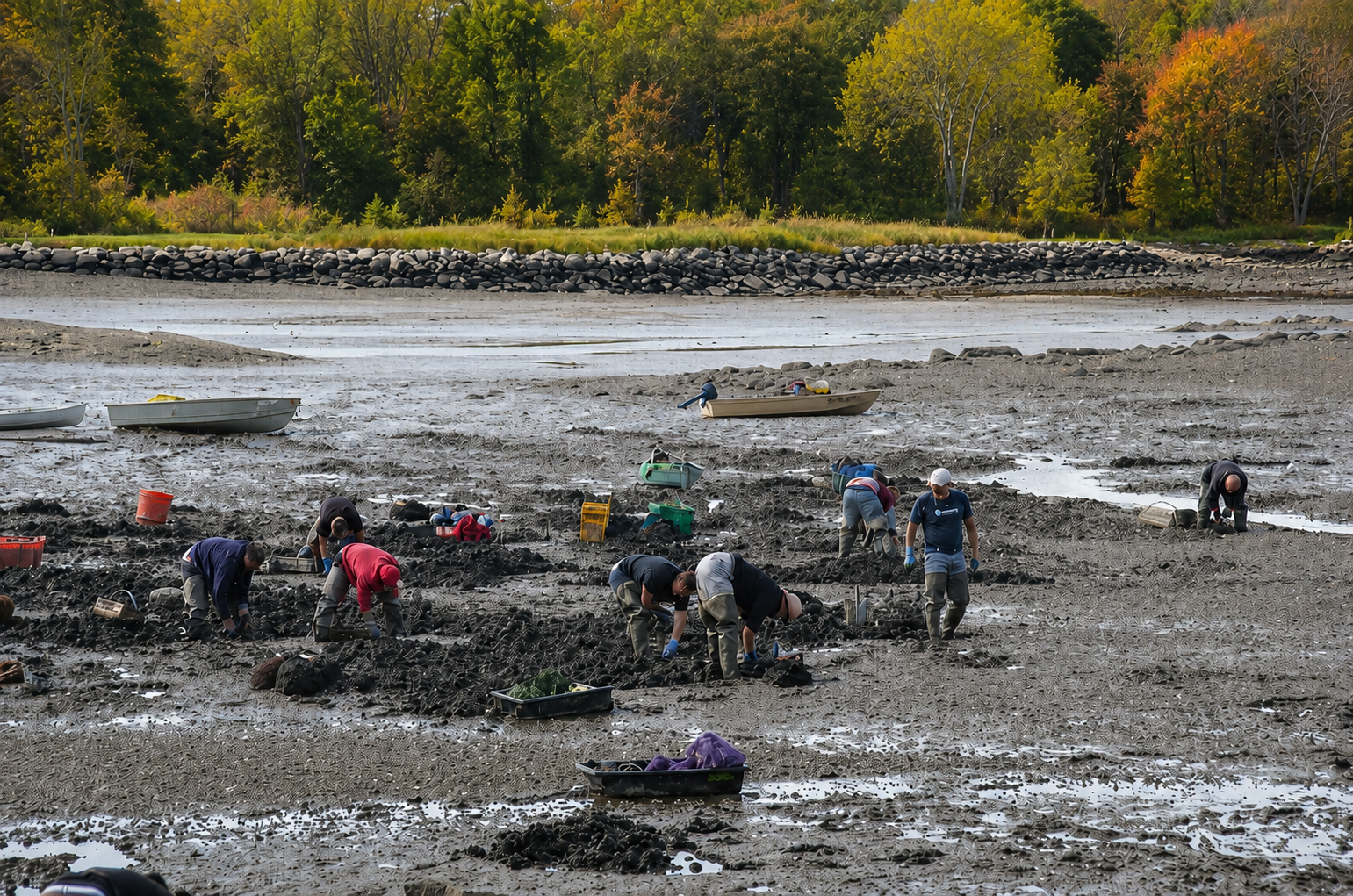
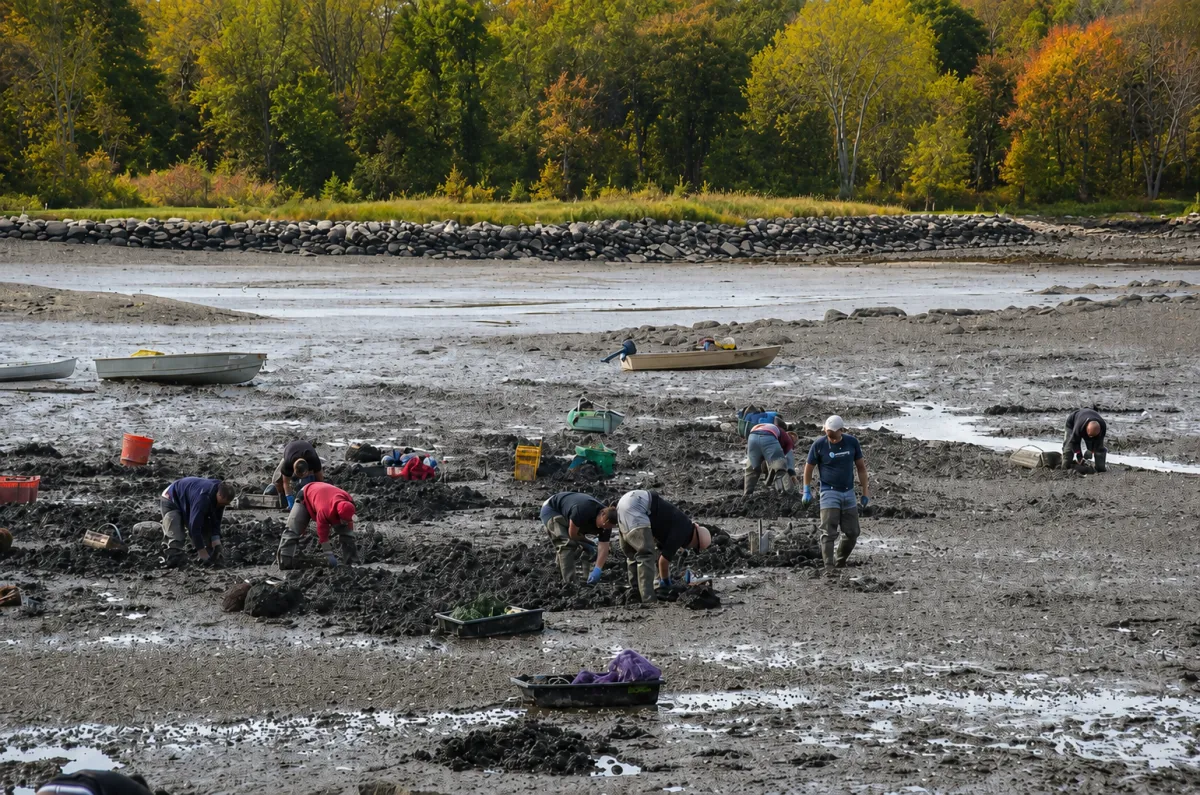
On certain summer mornings, if you stand at the edge of the Ipswich River before the sun has fully made up its mind, you can hear the town’s past before you see it. There’s the soft clink of metal on shell, the slosh of boots in sucking mud, and the low murmur of voices carrying over the flats. The tide has slipped out, revealing a broad, glistening plain of mud and sand that looks, to the untrained eye, like nothing much at all. But to generations of Ipswich families, this stretch of exposed earth has been pantry, paycheck, playground, and proving ground.
Long before Ipswich’s name showed up on menus from Boston to Chicago—usually next to the words “fried clams”—these flats were shaping the town’s fortunes in quieter ways. The story of Ipswich is often told through its First Period houses, its Revolutionary War protests, and its postcard-perfect streets. Yet beneath all that, literally underfoot at low tide, lies another story: the Ipswich clam flats history that fed families, funded mortgages, and stitched together a community one tide at a time.
A Landscape Written in Mud: Early History of the Clam Flats
Long before English settlers arrived, the tidal flats along what we now call the Ipswich River and Plum Island Sound were a well-known larder to the Indigenous people of the region, including the Agawam. Archaeologists and local historians note that shell middens—deep piles of discarded shells—still turn up along the banks, quiet evidence of centuries of harvesting soft-shell clams, mussels, and oysters. These were not just food; they were part of a seasonal rhythm, woven into travel routes and trading patterns along the North Shore, from present-day Essex to the Merrimack and beyond.
When English colonists founded Ipswich in 1634, they inherited not only the land, but the knowledge that the flats could sustain them. Early town records from the 1600s and 1700s, preserved today through resources like the Massachusetts Historical Society, mention shellfish in the same breath as cod and alewives. Clams were the food of necessity—boiled in chowders, baked in hearths, and used to stretch meager supplies through long winters when crops failed and fishing was uncertain. They were, quite literally, what you dug up when there was nothing else left to eat.
Over time, as Ipswich shifted from a frontier settlement to a small maritime town, the clam flats remained a constant. The Great Marsh, which stretches from Gloucester through Ipswich and down toward Newburyport, created an ideal habitat for soft-shell clams—protected estuaries, clean tidal flow, and miles of shallow flats. Modern environmental groups like Essex National Heritage Area and Mass Audubon now describe this marsh system as one of the most significant salt marsh ecosystems on the East Coast. For Ipswich, that meant an almost inexhaustible—though not invincible—source of shellfish, waiting beneath the mud twice a day.
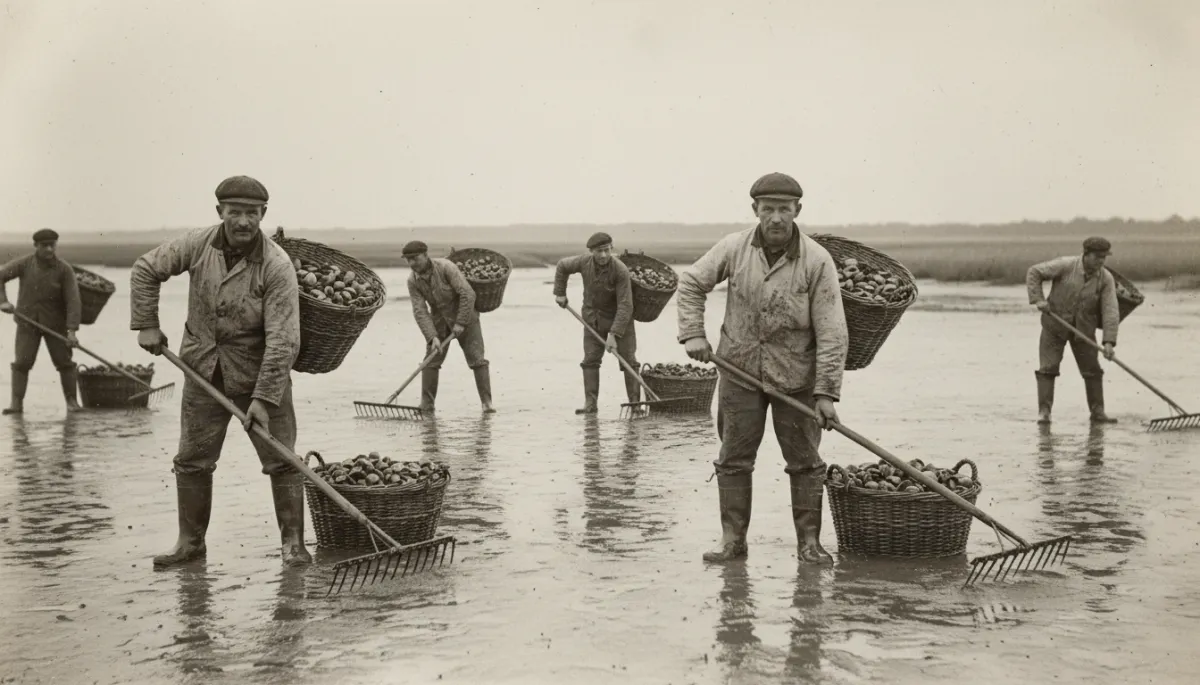
Early twentieth-century clam diggers turned bare tidal mud into steady, if modest, income.
The Economy Built on Clams: Work, Risk, and Family Livelihoods
By the late 1800s and early 1900s, clamming in Ipswich had become something more than subsistence. It was work—hard, cold, backbreaking work—but it was also a trade with its own unwritten rules, heroes, and villains. Old-timers will tell you that in the days before outboard motors and insulated gloves, a good clammer was part athlete, part tide reader, part gambler. You gambled on the weather, the price per pound, the health of the flats, and your own back holding out for one more tide.
The town’s own historical summary of clam harvesting notes that by the early twentieth century, Ipswich clams were being shipped to Boston and beyond by rail and truck. Families that had once farmed upland fields found that the flats could provide a more reliable income, especially when New England’s rocky soil and unpredictable frosts betrayed them. A strong digger could pull in hundreds of pounds a day when the beds were rich and the market was good. Those clams were then sold to local processors and, eventually, to companies like Ipswich Shellfish Group, which today operates a major processing facility in town and distributes shellfish up and down the East Coast (Ipswich Shellfish Group).
The Ipswich shellfish industry was never just about the big players, though. It was about the men—and later, women—who set their alarms for the middle of the night to catch the right tide, who learned which patch of flat held the fattest clams after a nor’easter, who could tell by the feel of the rake when they’d hit a seam worth working. Kids grew up knowing that on school vacations and weekends, they were expected to help: digging, culling, carrying heavy baskets back to skiffs. For many families, clamming paid for first cars, college tuition, and the little extras that made life in a small town comfortable rather than precarious.
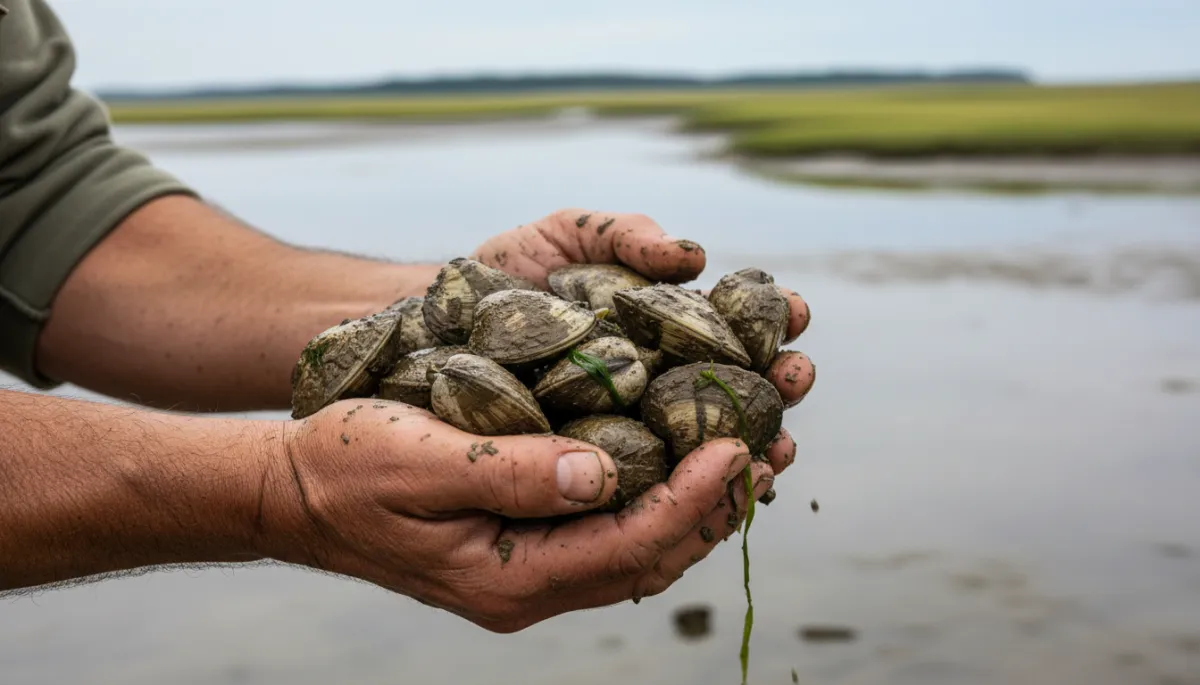
Each tide’s haul represented mortgage payments, grocery money, and a measure of hard-won independence.
Town records and the Ipswich Shellfish Department show how the work slowly formalized. Licenses were required, seasons established, and daily limits set—today, commercial diggers operate under strict poundage caps and carefully monitored open and closed areas. But the basic shape of a clammer’s day hasn’t changed much: check the tide chart, watch the weather, listen for word on which beds are open, and then head out, often in the kind of wind that makes most people pull the covers over their heads. It is not glamorous. Yet in a town where the cost of living has steadily crept upward, the flats remain a place where someone with a strong back and know-how can still carve out a living.
The economic ripple spreads beyond the diggers. Local restaurants built their reputations on “Ipswich clams,” drawing visitors who then wander into shops, drive the coastal roads through Rockport and Gloucester, and fall a little bit in love with the North Shore. The processors employ shuckers, drivers, and office staff. Gear shops sell waders, rakes, and baskets. Even those who have never set foot on the flats feel the quiet economic pulse of the shellfish trade in the background of daily life, something you can sense if you read between the lines of any good North Shore market reports.
Mud in the Blood: How Clamming Shaped Ipswich’s Culture and Identity
Ask people what defines Ipswich, and you’ll hear familiar answers: Crane Beach, the First Period houses, the winding lanes downtown. But talk a little longer—especially with those who grew up here—and the conversation inevitably slides downriver to the flats. There’s a particular pride that comes from being “from a clamming town,” a sense that beneath the historic charm lies something tougher and more practical. It’s in the way people talk about weather, tides, and the feel of the river. It’s in the casual mention of “digging a tide” the way someone elsewhere might mention mowing the lawn.
For decades, clamming has been a rite of passage. Teenagers earned their first serious money on the flats, learning not only how to work but how to work alongside others. The veteran digger who showed you where to start (but never his best spots), the informal pecking order at the boat ramp, the shared thermos of coffee on a bitter January morning—these are the small rituals that knit a community together. In a town that has seen waves of change, from textile mills to tourism, the flats have been a constant, a place where old and new Ipswich meet in borrowed waders and mud-streaked faces.
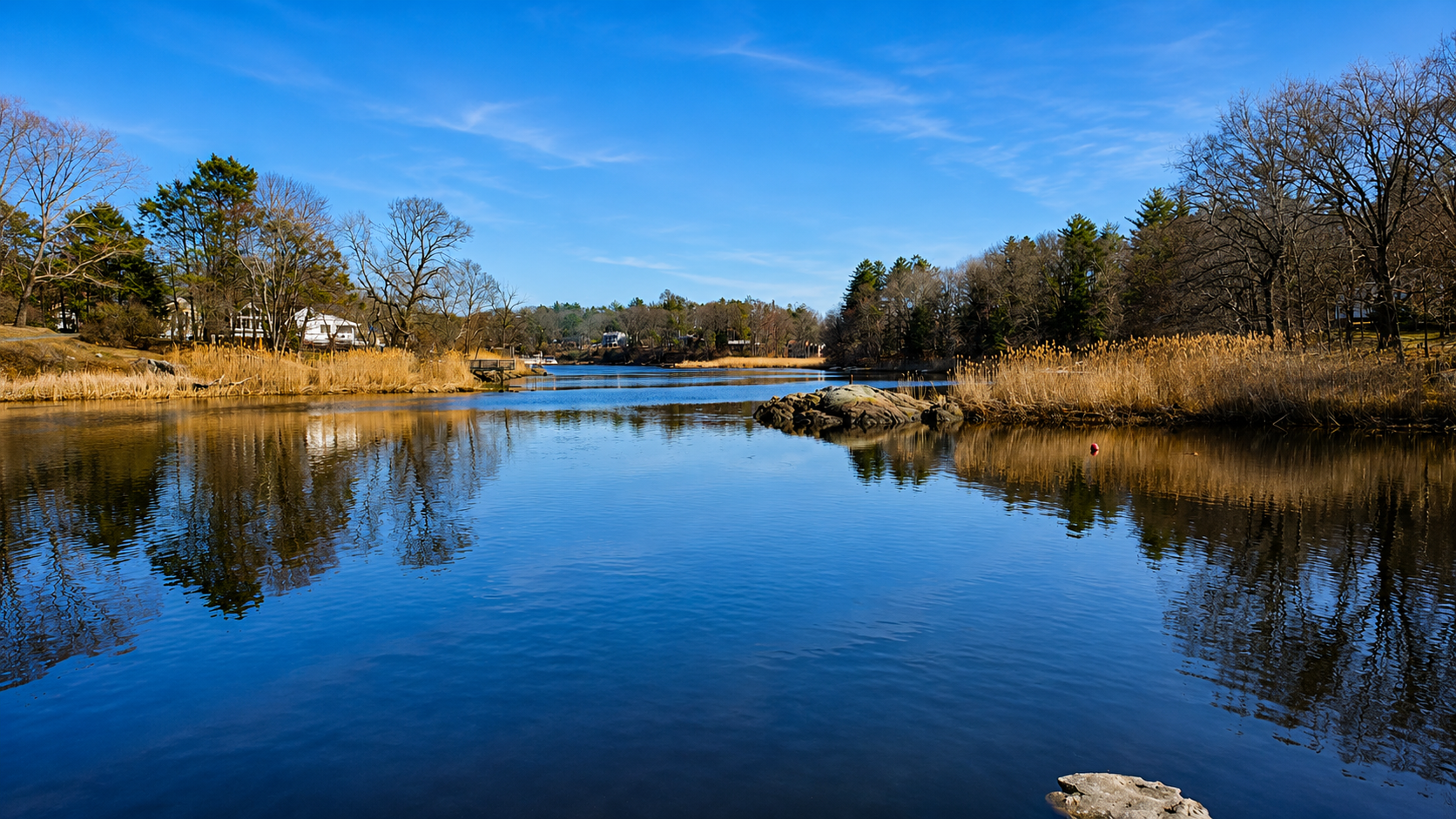
Along the Ipswich waterfront, boats, shacks, and tides tell stories that never make it into brochures.
Food, of course, is culture too. Ipswich’s reputation for clams is not an accident. The classic fried clam plate, the steamers dunked in broth and butter, the chowders that show up at church suppers and family cookouts—these dishes are the edible expression of the town’s history. When you sit down to a plate of soft-shell clams in Ipswich, you are tasting not just a local delicacy, but the accumulated knowledge of generations who learned how to tend, harvest, and protect this particular stretch of coast. In that sense, soft-shell clams Massachusetts-style are as much a cultural artifact as any museum piece in Boston.
The flats also serve as a kind of informal classroom. Local school groups, scouts, and environmental organizations regularly bring kids out at low tide to learn how clams live, how tides work, and why water quality matters. Programs coordinated with agencies like the Massachusetts Division of Marine Fisheries and local nonprofits help translate the science of shellfish management into something tangible: a kid kneeling in the mud, holding a live clam, and realizing that their choices upstream—about trash, fertilizers, or storm drains—can determine whether that clam survives. In a region rich with Essex County maritime history, Ipswich’s clam flats offer one of the most immediate, hands-on connections between people and the sea.
Threatened Mud: Environmental Challenges and the Fight to Protect the Flats
For all their apparent permanence, the clam flats are fragile. They sit at the intersection of river, ocean, and upland, and they reflect every decision made in the watershed, from lawn care to stormwater planning. Ipswich has seen this vulnerability up close. Periodic closures due to bacterial contamination, harmful algal blooms, or biotoxins have shut down harvesting, sometimes for months at a time. In 2025, for example, parts of the Ipswich growing areas were closed for paralytic shellfish poisoning (PSP), only reopening after rigorous testing and clearance by the Division of Marine Fisheries and NOAA (DMF PSP Reopening Notice; NOAA).
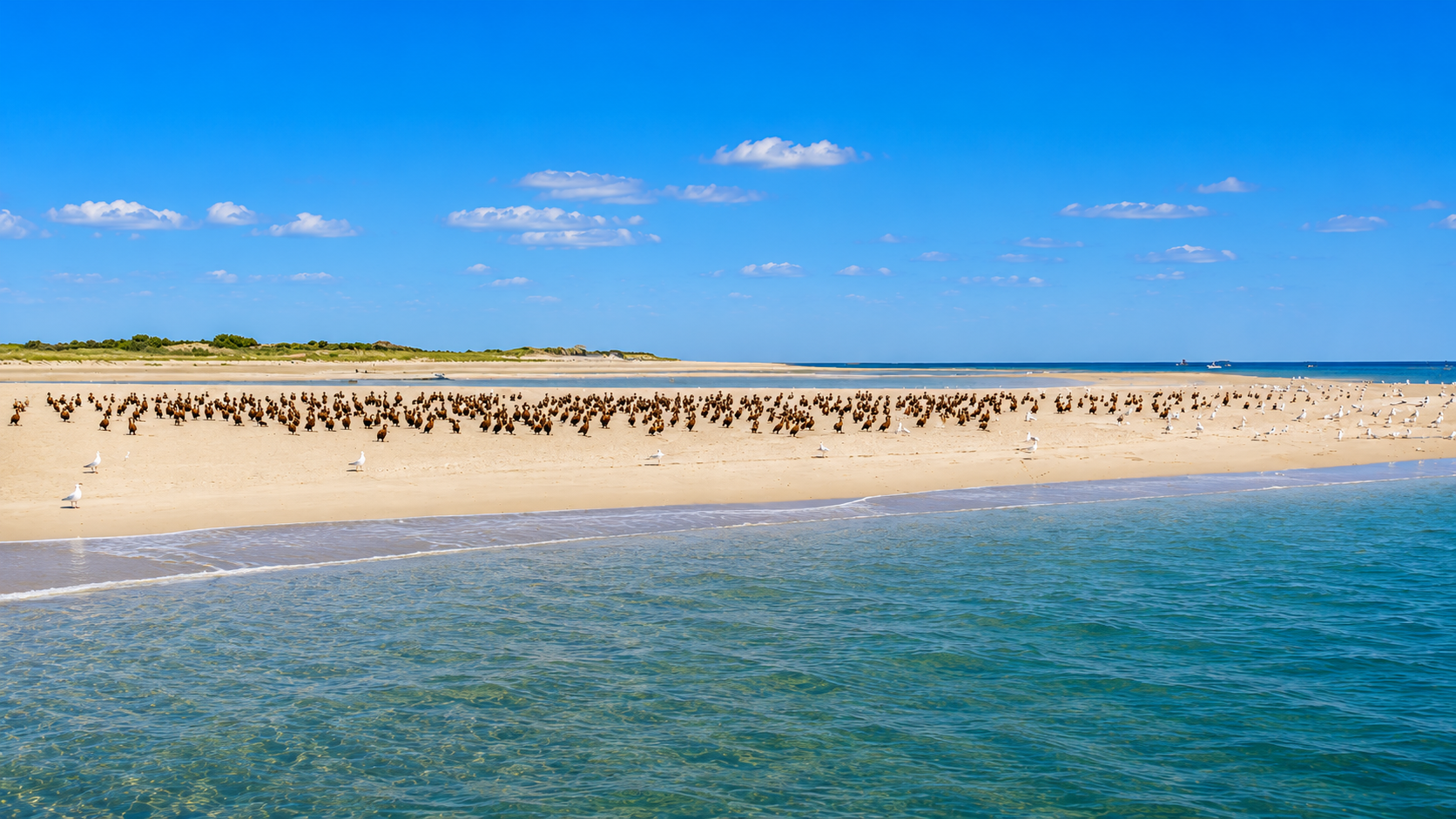
The same flats that feed people also sustain shorebirds, fish nurseries, and the wider Great Marsh ecosystem.
In recent years, one of the most persistent threats has been water quality. The Ipswich Shellfish Department manages more than 900 acres of clam flats and 43 miles of shoreline, and their daily work involves not just checking licenses, but monitoring conditions, testing waters, and responding to contamination sources. When gulls congregate near upland facilities, when heavy rains flush pollutants into the river, when septic systems fail—the flats feel it first. Closures like those at the “Middle Ground” flats near Plum Island Sound in the mid-2020s, driven by elevated fecal coliform levels, hit diggers hard, cutting into already narrow margins and prompting the town to reduce license fees as a small measure of relief.
Climate change adds another layer of uncertainty. Sea-level rise, warming waters, and shifting storm patterns all affect the delicate balance that clams depend on. Organizations such as Mass Audubon and regional coalitions documented by MassDEP have highlighted the Great Marsh as both vulnerable and vital—a natural buffer against storms and flooding, a carbon sink, and a nursery for countless marine species. Ipswich’s participation in watershed-wide efforts, including recent investments in water treatment and PFAS mitigation in the Ipswich River basin (MassDEP Ipswich River Grants), reflects an understanding that protecting the flats means protecting everything upstream as well.
On the ground—or rather, in the mud—conservation can look surprisingly hands-on. The town has invested heavily in trapping invasive European green crabs, which root through the flats and devour juvenile clams and eelgrass. Trapping efforts have removed tens of thousands of pounds of these small, aggressive crabs, a messy but necessary step in preserving both the Ipswich clamming heritage and the broader ecology of the marsh. State guidance on sustainable clamming in Ipswich emphasizes careful harvest limits, seasonal closures, and constant water testing—measures that can feel restrictive in the short term but are essential if future generations are to find anything worth digging.
The Flats Today: Heritage, Work, and a Living Landscape
Walk down to the river on any given low tide today and you’ll still see figures bent over their rakes, baskets slowly filling. Some are veterans who can remember when certain beds were so thick with clams you could barely sink your rake without hitting shell. Others are newer to the trade, drawn by the idea of working outdoors, of setting their own hours, of joining a line of work that feels, in an increasingly digital age, almost defiantly physical. Together, they form a living link between Ipswich’s past and present, a reminder that history here is not just something preserved in clapboard and brick, but something carried out on the flats every day.
Today’s diggers inherit old skills while adapting to new regulations, markets, and environmental realities.
For residents exploring the broader region—from Ipswich community guide resources to neighboring towns like Manchester-by-the-Sea, Essex, and Rockport—the flats serve as a kind of anchor. They remind us that beneath the changing storefronts and shifting demographics, the North Shore is still, at heart, a maritime place. Ipswich’s clam flats are part of a larger tapestry of North Shore Massachusetts history, tying together fishermen in Gloucester, boatbuilders in Essex, and shorefront communities all along the coast.
Heritage here is not something sealed behind glass. It is a living practice, visible in the way the town debates shellfish regulations at public meetings, in the pride of a plate of local clams set down at a family table, in the stories grandparents tell about tides that went wrong or hauls that went right. If you want to understand Ipswich—not the brochure version, but the real, working town—you have to start with the mud. You have to stand on the flats at low tide, feel the give of the earth beneath your boots, and imagine all the lives that have unfolded on this same patch of ground since long before anyone called it Ipswich.
Q&A: Ipswich’s Clam Flats, Answered
1. Why are Ipswich’s clam flats so famous?
Part of it is taste: the soft-shell clams from Ipswich’s sheltered estuaries are especially sweet and tender, thanks to the clean, nutrient-rich waters of the Great Marsh. But fame also comes from history. Ipswich was one of the first towns to ship clams to distant markets, and by the early twentieth century “Ipswich clams” had become shorthand on menus across New England and beyond. That reputation rests on generations of careful harvesting and the town’s ongoing commitment to water quality and sustainable management, documented by the Town of Ipswich and the Shellfish Department.
2. How did clamming shape everyday life in Ipswich?
Clamming gave families flexibility and resilience. Many households relied on the flats to supplement other work—mill jobs, carpentry, fishing—or to get through layoffs and lean winters. Kids learned responsibility hauling baskets and reading tide charts. Social life, too, often revolved around the river: stories swapped at the boat ramp, community suppers featuring chowder and steamers, and quiet acts of generosity when a good digger shared part of a haul with a neighbor in need. The flats helped create a culture that values hard work, self-reliance, and a certain dry humor about the unpredictability of both tides and life.
3. What rules govern clamming in Ipswich today?
Today’s diggers operate under a detailed set of local and state regulations. The town issues commercial and recreational shellfish permits, sets daily harvest limits, and designates open and closed areas based on water quality testing. According to the Ipswich Shellfish Rules and Regulations, there are strict caps on daily poundage and separate limits for oysters and sea clams. The Massachusetts Division of Marine Fisheries and agencies like NOAA provide additional oversight, especially when it comes to biotoxins, bacterial contamination, and broader resource management along the coast.
4. How do environmental issues upstream affect the clam flats?
Everything that happens in the Ipswich River watershed eventually finds its way to the flats. Runoff from roads, lawns, and farms can carry nutrients, bacteria, and chemicals downstream. Failing septic systems, industrial discharges, and even large flocks of gulls congregating near certain facilities can push bacterial counts high enough to trigger closures. That’s why recent investments in water treatment and PFAS mitigation in the Ipswich River basin, supported by MassDEP grants, matter so much to clammers. Protecting the flats is not just a coastal issue; it’s a whole-watershed responsibility that involves every town along the river.
5. Are there still enough clams for future generations?
The honest answer is: there can be, if we’re careful. Ipswich’s flats remain productive, but they are under pressure from climate change, invasive species like green crabs, and development throughout the watershed. Sustainable harvest limits, green crab trapping, and ongoing water-quality monitoring—outlined in state guidance on sustainable clamming in Ipswich—are all designed to keep the resource viable. The future of the flats depends on a balance between economic need and ecological restraint, a balance that requires constant attention from diggers, residents, and regulators alike.
6. How do Ipswich’s clam flats fit into wider North Shore history?
Ipswich’s flats are one chapter in a larger story of Essex County maritime history. From shipbuilding in Essex to fishing in Gloucester and granite quarrying in Rockport, the North Shore’s towns have all been shaped by their relationship to the sea. Ipswich’s particular contribution is the humble soft-shell clam: a resource that required knowledge rather than capital, and that allowed ordinary people to participate in the maritime economy without owning a ship or a factory. In that sense, the flats are a democratic piece of the coast, accessible—at least with a permit and a strong back—to anyone willing to work them.
7. If I’m new to Ipswich, how can I learn more about the clam flats?
Start by walking the river at low tide and simply watching. You’ll see where diggers park, how they work, and how quickly the water moves back in. Then explore town resources like the Town of Ipswich website, the Shellfish Department pages, and local historical materials. Regional organizations such as Essex National Heritage Area and Mass Audubon also offer programs on the Great Marsh and coastal ecology. And don’t underestimate the value of conversation: a chat with a neighbor who has dug clams, or a visit to a local clam shack, can teach you as much about Ipswich’s character as any textbook—something you won’t fully grasp from a simple Ipswich community guide alone.
Final Thoughts: Listening to the Flats
Every coastal town tells a story about itself. Ipswich’s story is often framed by grand houses and sweeping beaches, but if you listen closely, another narrative runs just beneath the surface—the quiet, persistent story of the clam flats. These broad, unassuming stretches of mud have fed families, anchored an economy, and shaped a local identity that prizes resilience, resourcefulness, and a deep, almost instinctive understanding of tide and weather. They have endured storms, closures, market swings, and the slow, unsettling shifts of a changing climate, yet they continue to draw people out at dawn with rakes over their shoulders and hope in their step.
To stand on the Ipswich flats at low tide is to feel time layered beneath your boots: Indigenous harvesters, colonial families scraping by, twentieth-century diggers loading trucks bound for Boston, and today’s clammers navigating modern regulations and global markets. It is a reminder that history is not only made in town halls and grand parlors, but in the ordinary labor of people who go out, tide after tide, to wrest a living from the edge where river meets sea. As long as there are clams in the mud and hands willing to dig them, the forgotten history of Ipswich’s clam flats will never be entirely lost; it will simply continue, one tide at a time, in the lives of those who call this stretch of coast home.


