First-Time Home Buyer Guide: North Shore MA Tips
Keys to Your First Home
The Real First-Time Buyer Playbook for the North Shore of Boston
What nobody tells you before you start house hunting in Essex County—told through real-world scenarios, clear steps, and the unvarnished details behind the dream.
By Kathleen Militello
Chapter One: The Morning You Realize Browsing Isn’t a Plan
One Saturday in March, Dana and Mark sat in their Beverly rental, laptops open, coffee going cold. They had twenty browser tabs of North Shore listings—Newburyport colonials, Salem condos, a tiny ranch in Peabody that “just needed a little TLC.” They had opinions, Pinterest boards, and a rough idea of their price range. What they didn’t have was the one thing that actually matters in the current North Shore market: a pre-approval that proved they could act when the right house appeared.
Getting Pre-Approved Before You Even Think About Touring

Well-lit scene of a couple sitting at a table with a local real estate agent reviewing mortgage...
Serious sellers look first at buyers whose financing is already locked in.
In a region where move-in-ready homes still attract multiple offers, a pre-approval is not a courtesy; it is your ticket into the arena. On the North Shore, median sale prices are hovering in the $700,000 range for single-family homes, and well-priced properties in towns like Marblehead, Beverly, and Newburyport can still draw strong competition. Lenders and listing agents want proof you’re not just browsing—they want to know a bank is willing to stand behind your offer. When you’re ready to move from casual browsing to serious action, it helps to search available listings and explore Essex County properties that match the price range your lender approves.
A solid pre-approval means a lender has reviewed your income, credit, debts, and assets, and run your numbers through current interest rates (often mid-6% with the possibility of easing). It clarifies your true budget, including what monthly payment feels realistic once you layer in property taxes, insurance, and utilities. It also lets you move quickly when a home hits the market on Thursday and offers are due Monday at noon—a very real scenario in Essex County.
💡 Pro Tip: Ask your lender to run a few scenarios—different down payments, rate estimates, and price points—so you can see how small changes affect your monthly payment and cash needed at closing.
Offer Strategy in a Competitive North Shore Market
The North Shore in 2026 is what local agents call a “two-lane” or “K-shaped” market. Turnkey homes in walkable, commuter-rail-friendly towns move quickly and close near list price. Properties that need work linger, inviting negotiation. Your offer strategy has to account for which lane a home is in—and how badly other buyers want it.

-toned close-up of hands signing home purchase documents at a wooden table, with coffee mugs and...
A thoughtful offer blends price, timing, and terms—not just a big number.
When Dana and Mark fell for a tidy Cape in Danvers, they assumed “offering asking” was generous. Their agent walked them through the data: similar homes had sold at 97–102% of original list price, days on market were short, and inventory was low. For this house, price wasn’t the only lever. They tightened their inspection timeline, increased their earnest money, and offered a flexible closing date to match the seller’s purchase of a new place. They didn’t waive every protection—but they made it clear they were organized and serious.
📌 Key Takeaway: A strong offer in Essex County balances price with terms: pre-approval in hand, realistic timelines, reasonable contingencies, and a clear understanding of the seller’s needs.
List Price vs. Real Value: Reading Between the Lines
List price is a marketing decision, not a verdict from the universe. Some sellers price low to spark a bidding war. Others anchor high, hoping the market will “come up” to their expectations. Real value is grounded in recent comparable sales, condition, location, and what buyers are actually paying today, not last year or during the pandemic peak.
This is where local expertise matters. An agent who tracks North Shore sales can show you that the slightly tired ranch in Peabody, listed at $599,000, might represent better value than the glossy condo in Salem at the same price once you factor in HOA fees, parking, and long-term appreciation. If you live on the North Shore of Boston, that is worth noting when you’re tempted by polished photos alone. As you compare options, it can be helpful to view homes in Essex County and compare real-world list prices to recent sales so you’re anchoring your expectations in current data.
What Inspections Reveal in Older New England Homes
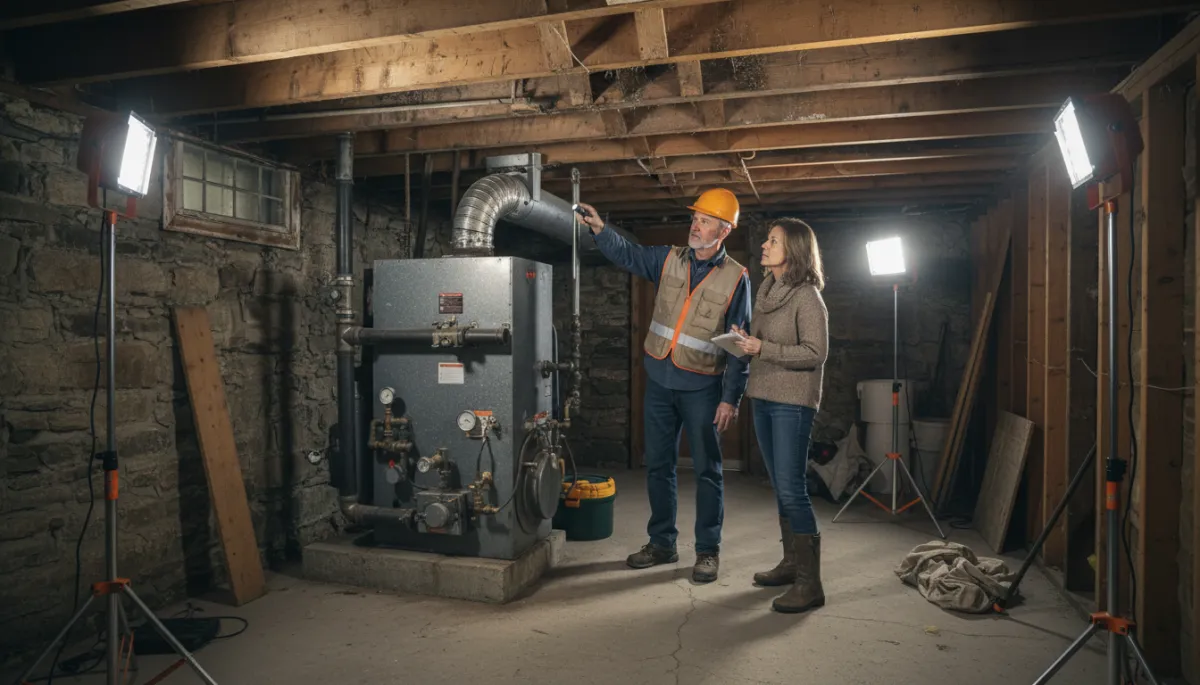
Home inspector and buyer walking through the basement of an older New England house, pointing at...
Inspections turn charming quirks into clear line items you can budget for.
The North Shore’s charm is built on centuries-old homes, from 19th-century farmhouses in Ipswich to 1920s colonials in Lynnfield. Inspections in these properties read like family histories: knob-and-tube wiring tucked behind new drywall, fieldstone foundations with hairline cracks, aging boilers that survived more winters than you have.
A thorough inspection typically covers roof, structure, electrical, plumbing, heating, and major systems. In older New England homes, common findings include:
Aging roofs and flashing that need replacement sooner than later
Evidence of past moisture in basements and the need for improved drainage
Outdated electrical panels or mixed wiring types from different eras
Older heating systems nearing the end of their expected life span
💡 Pro Tip: Not every issue is a deal-breaker. Use the inspection to separate “this will need attention in the next year” from “this is a safety or structural problem,” and adjust your offer or repair requests accordingly.
Closing Costs First-Timers Forget to Budget For
Many first-time buyers can quote their down payment amount instantly. Fewer can tell you what they’ve set aside for closing costs—which in Massachusetts often run 2–5% of the purchase price. On a $600,000 home, that can mean $12,000 to $30,000 on top of your down payment, according to recent state-wide estimates.
Those numbers include lender fees (origination, underwriting, appraisal), attorney and title charges, recording fees, and prepaids like homeowner’s insurance and property taxes. Add in your inspection, potential condo fees due at closing, and the required smoke/CO certificate in Massachusetts, and the total can surprise buyers who focused only on the sticker price.
📌 Key Takeaway: When you sketch out your budget for a Massachusetts first home, treat closing costs as a full line item, not an afterthought. Ask your lender and attorney for estimates early, not the week before closing.
How to Know When You’ve Found the Right Home
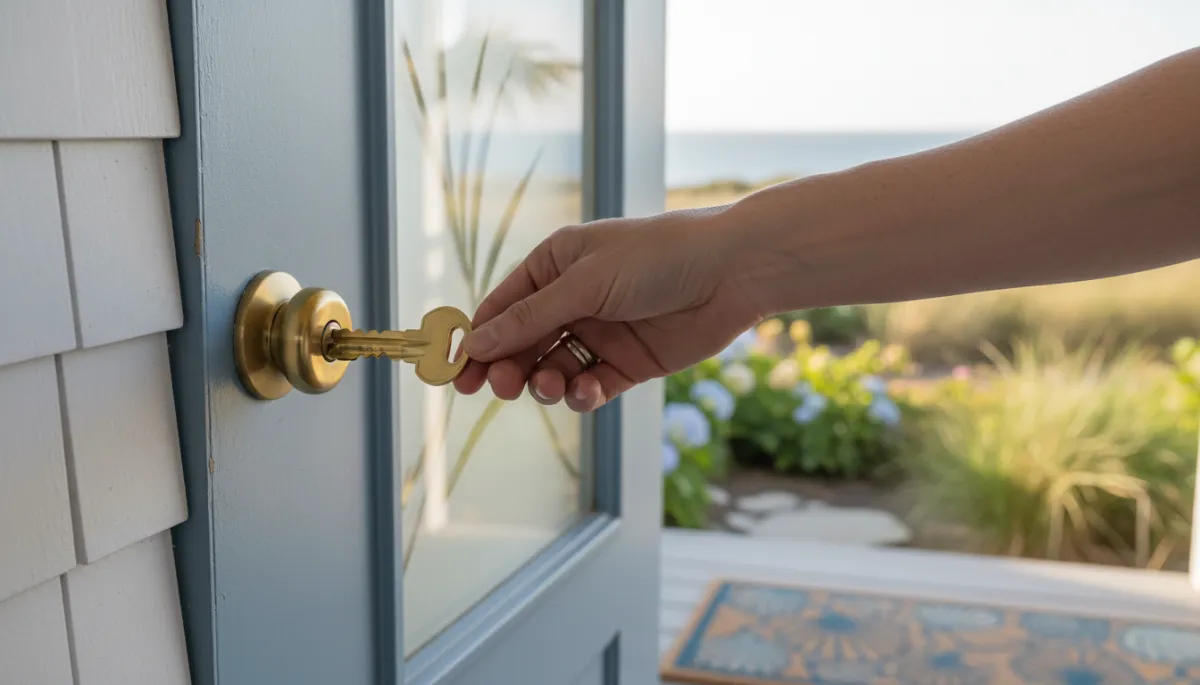
Close-up of a hand holding a new house key at the front door of a modest North Shore home, soft...
The right home feels exciting and manageable, not perfect and overwhelming.
The right first home on the North Shore rarely looks like a magazine spread. It’s more likely a solid, well-cared-for property with a few projects you can tackle over time. The feeling you’re looking for is a mix of calm and clarity: you can imagine your furniture in the rooms, your commute on a Tuesday in February, your life in that neighborhood for at least the next five to seven years.
Dana and Mark knew they’d found their place not because it had a perfect kitchen—it didn’t—but because the numbers worked, the inspection revealed only manageable issues, and they could see themselves walking to the nearby coffee shop on Sunday mornings. Their decision wasn’t based on butterflies; it was based on a clear-eyed understanding of trade-offs, budget, and long-term fit. If you’re at a similar point in your search, you might find your first home on the North Shore by browsing current Essex County listings that match your must-haves and nice-to-haves.
First-Time Buyer Q&A: North Shore Edition
Q1: How much should I really save before buying a home in Essex County?
Aim for your down payment plus 2–5% of the purchase price for closing costs, and then an additional cushion for moving expenses and early repairs. For many first time home buyer North Shore MA shoppers, that might mean 10–20% down plus a healthy emergency fund so you’re not house-poor the first winter a boiler decides to quit.
Q2: Is it smarter to buy a fixer-upper or move-in-ready place here?
In this “two-lane” market, homes needing work can present opportunity if you have time, cash, and tolerance for projects. Move-in-ready homes cost more upfront but demand less immediate attention. The right choice depends on your budget, schedule, and appetite for renovations in an older New England housing stock.
Q3: How long does it really take to buy a home here?
From serious search to closing, many buyers spend three to six months, depending on how specific their criteria are and how competitive their price range is. The actual contract-to-close period is often 30–60 days in Massachusetts, assuming no major financing or inspection surprises.
Q4: Do I really need a local agent for buying a home Essex County?
A local agent who understands Massachusetts first home norms, town-specific rules, and neighborhood-level pricing can be the difference between overpaying and landing a fair deal. They’ll flag flood zones, aging septic systems, and quirks of older housing that aren’t obvious from photos alone.
Q5: Should I wait for interest rates to drop before buying?
Rates may ease, but they’re unlikely to collapse. Waiting can mean facing higher prices if demand jumps when rates dip. A practical approach is to buy when the payment, not just the rate, fits your budget—and keep an eye on future refinance opportunities if rates improve.
Final Thoughts: Writing Your Own North Shore Story

Wide shot of a smiling couple standing on the front steps of their modest North Shore home at...
The first set of keys is less about perfection and more about momentum.
Buying your first home on the North Shore is not about winning a HGTV-style reveal. It is about understanding the rules of this particular market, knowing your numbers, and making steady, informed decisions in the face of a lot of noise. The steps are straightforward: get pre-approved, learn how offers really work here, read list prices with a skeptical eye, respect what inspections uncover in older New England homes, and budget for closing costs that go beyond your down payment.
The rest is personal: which town feels like your version of home, which trade-offs you’re willing to make, and how you picture your life on a gray Tuesday in February as much as a sunny Saturday in July. As Kathleen Militello often reminds buyers, the goal with a Massachusetts first home is not to buy the most expensive house you can possibly qualify for; it’s to buy the one that fits your real life and gives you room to grow. When you’re ready to take that step, you can explore Essex County properties and North Shore homes for first-time buyers to see what’s truly possible in your budget.
When you finally stand in a quiet living room, hearing only the hum of the fridge and your own footsteps, the question isn’t “Is this perfect?” It’s “Does this make sense?” If the answer is yes—financially, practically, and for the season of life you’re in—you’re not just buying a house on the North Shore. You’re starting a new chapter, with keys in hand and a story that’s entirely your own. To see what that next chapter could look like, visit EssexCountyHomesForSale.com and view homes in Essex County that fit your first-time buyer goals.


