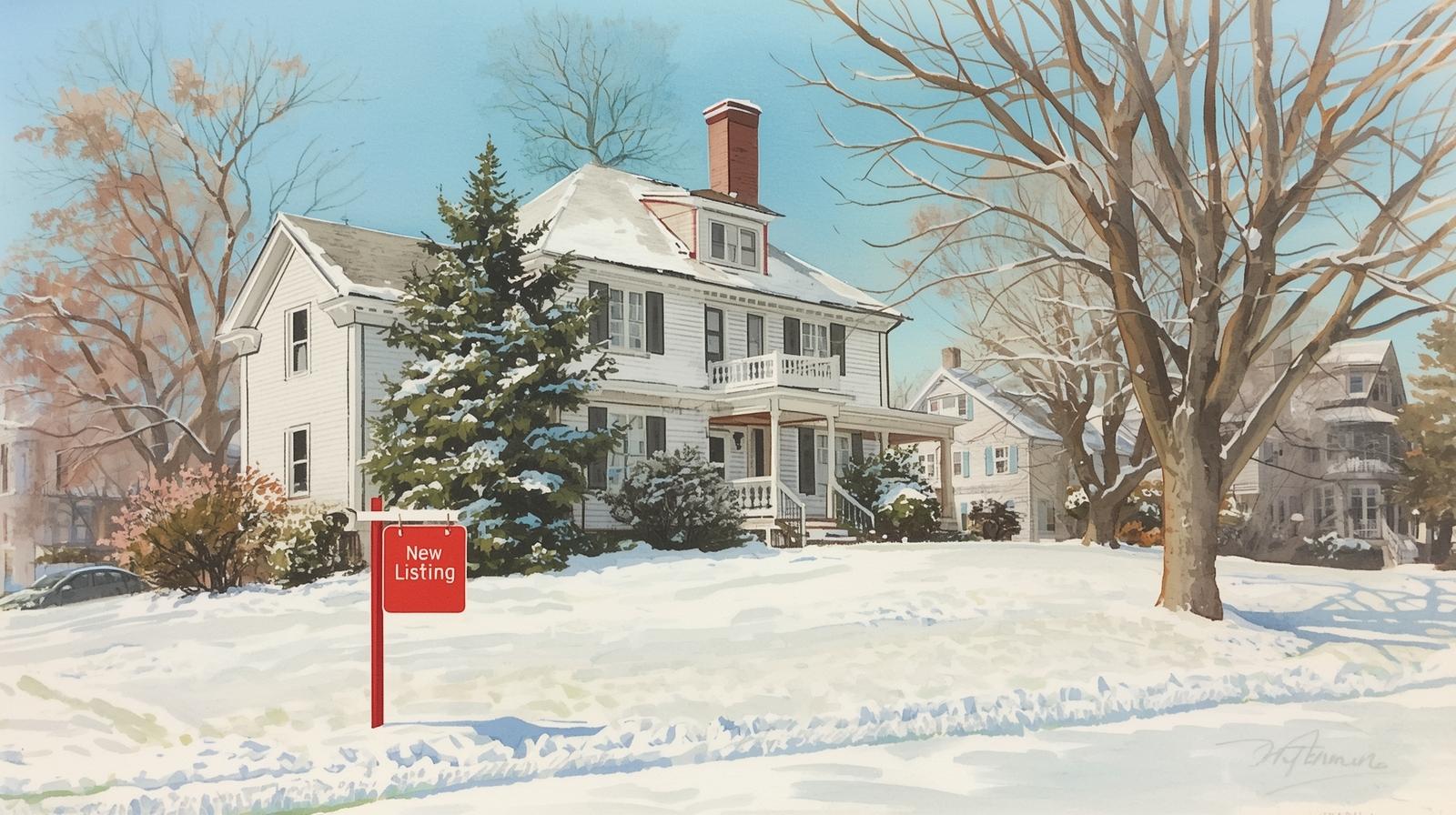
Embrace Change: Downsizing Your Beloved North Shore Home
Downsizing on the North Shore, downsizing North Shore MA, senior home sale North Shore MA
Letting Go Without Losing Yourself: Downsizing a North Shore Home You’ve Loved for Decades
You stand in the same kitchen you once baby-proofed. The counter still has a faint ring from science projects and birthday cakes. The doorframe by the fridge shows a ladder of pencil marks, each one a year, a height, a moment you swore you’d never forget.
Outside, the maple in the backyard looks different in every season, yet you could sketch it from memory with your eyes closed. You know how the light hits the living room in January, how the peepers sound in April, how the harbor fog rolls in on certain August mornings, even if you’re a few streets back from the water in Gloucester, Beverly, or Ipswich.
You know it’s time. The stairs feel steeper. The rooms stay empty longer. The yard asks more of your knees than you want to give. But knowing it’s time and feeling ready are two very different things. This isn’t just about square footage. It’s about your life, your history, your sense of self, all wrapped up in one North Shore address.
Why North Shore Homeowners Are Making This Move Right Now
You are not the only one looking around a long-loved house and asking, “What’s next?” Across the North Shore, long-term owners are quietly making big decisions. Some have lived in the same Rockport, Manchester-by-the-Sea, or Gloucester home for 30, even 40 years. Many bought when prices felt high at the time, only to see values rise steadily over decades in Essex County and along Cape Ann. Median single-family prices on the North Shore have climbed into the 700s, with years of steady appreciation, which means you may be sitting on more equity than you realize.
That equity can fund the next chapter. A home on a single level. A place closer to the commuter rail or the doctor in Beverly or Salem. A condo where the association handles the snow when another Nor’easter rolls through. A smaller space that fits your life now, not the life you had when there were hockey bags in every hallway and sand from Good Harbor Beach in the car all summer long.
There is also the pull of people. Adult children in New Hampshire or North Carolina. Grandchildren you want to see more than just on FaceTime. Retirement changes your daily rhythm. Suddenly, you are not tied to school districts or commuting patterns on Route 128. You can choose based on how you want to live, not just where you had to be for work. For many, downsizing North Shore MA means trading maintenance for time, and square footage for freedom.
The Emotional Work That Has to Happen First

Letting go of a house starts long before the first box gets packed.
Before you sort a single drawer, you have to make peace with what this house has been to you. A house is wood, plaster, and shingles. A home is where you watched the Patriots with the same friends every Sunday, where you stayed up late waiting for teenagers to come in from Route 127 on a snowy night, where you sat at the dining room table in Essex or Ipswich paying off the mortgage one check at a time. The difference is everything, and you feel it in your bones.
Giving yourself permission to go does not mean erasing what happened here. It means recognizing that the house has done its job. It held your life. It sheltered your people. Now it might be time for it to hold someone else’s story, and for you to write the next part of yours in a place that fits this season of life better. That’s not betrayal. That is continuity, just in a new shape.
When the Kids Have an Opinion (and What to Do About It)
Adult children often hold strong opinions about the family home, especially when they live out of state. One may say, “You can’t sell the house, that’s where we grew up.” Another may push for a quick sale because they see you shoveling snow in February and worry. Both reactions come from love, but you are the one living here day to day, not them. Your knees, your sleep, your budget, your winters in this particular house matter most.
You can invite them into the process without handing over the steering wheel. Share what you are feeling. Tell them what is hard now. Explain what a smaller, easier home could mean for your health, your time, your ability to visit them. If you like, you can send them resources, like this guide for Baby Boomers planning a North Shore move, so they understand this is a common stage, not a crisis. Ask for help where you want it, like going through childhood items or handling logistics from afar, but stay clear that the final decision rests with you.
💡 Pro Tip: If conversations get tense, return to specifics. Talk about stairs, snow, medical appointments, and distance, not just “the house.”
What Your North Shore Home Is Worth Right Now
Many long-term owners are stunned when they see current values. Across the North Shore, median single-family prices have climbed steadily, with recent reports showing typical sales in the 700,000 dollar range and above for many towns. That rise, spread over 20 or 30 years, can translate into substantial equity for you, especially if you bought before the big run-ups in the 1990s and early 2000s, and then again after 2020. In places like Rockport village, Manchester-by-the-Sea, Essex, and coastal sections of Gloucester and Beverly, that equity can be even higher because of strong demand for well-located homes.
Knowing your number is not about bragging rights. It is about options. A clear picture of your home’s value helps you see whether you can buy a smaller place outright, whether you might consider a sell and stay arrangement, or whether a move to a 55+ community in Essex County makes financial sense. You can start with an online estimate, then refine it with a local opinion. For a grounded starting point, you can use a North Shore home value tool to see what recent sales near you suggest.

Rising values across Cape Ann and Essex County give long-time owners powerful options.
Where Do North Shore Downsizers Actually Go?
When you picture “downsizing,” you might see a bland condo miles from anything familiar. That is not the only story. On the North Shore, downsizing can look like:
A smaller home in the same town, maybe a Cape on a quieter side street in Ipswich or Danvers, with fewer stairs and a smaller yard.
A condo closer to the water or town center, like a first-floor unit near Rockport’s Bearskin Neck, Beverly Farms, or Essex town center, where you can walk to coffee, the library, or the shoreline.
A move to Newburyport, Salem, or Peabody for more walkable streets, medical offices, and services in one compact area.
A 55+ or active adult community in the broader Essex County region, where maintenance is handled and neighbors are in a similar life stage, while still keeping you within a short drive of the coast.
Some people head south or move closer to adult children in other states. Others stay rooted here and simply trade a big, multi-story house for a two-bedroom condo with an elevator and covered parking. However you picture it, you can start exploring ideas with resources like this guide to downsizing on the North Shore or broader tools to explore North Shore towns and neighborhoods that fit your next chapter.
The Practical Checklist Before You List
The emotional work sets the stage. The practical work gets the house ready. Before your North Shore home ever hits the market, you can move through a clear, step-by-step plan:
Start with the easy things. Clear expired food, old paperwork, and broken items. Every bag out the door makes the next decision easier.
Sort by category, not room. Gather books, linens, or holiday decorations from across the house and make decisions in one sitting. This keeps you from re-deciding the same items in three different closets.
Decide what truly needs to move with you. Ask, “Will this fit the life I want next?” not “Did this once mean something?” The answer is often different, and that is okay.
Plan for estate sales and donations. Local move managers and organizers on the North Shore can coordinate estate sales, online auctions, and donation pickups so you are not hauling boxes alone. Organizations across Essex County welcome furniture, household goods, and clothing in good condition.
Time your sale with where you are going. Before you list, have a clear plan for your next address, even if it is a rental while you shop. Some owners consider options like cash offer programs for a faster sale, or rent-backs that give extra time to move out after closing.
The Capital Gains Question Long-Term Homeowners Need to Ask a Tax Professional
If you have owned your primary residence for many years, you may have heard of the capital gains exclusion. Under IRS Section 121, many homeowners can exclude up to 250,000 dollars of gain if single, or 500,000 dollars if married filing jointly, when they sell a primary residence, as long as they meet certain ownership and use tests. That can make a huge difference in how much of your sale proceeds you keep. You can read the details in IRS Publication 523 on selling your home, but the rules can be complex, especially if you have refinanced, added on, or used part of the home for business. A local tax professional or financial planner can help you understand how the rules apply to your situation before you sign a listing agreement.
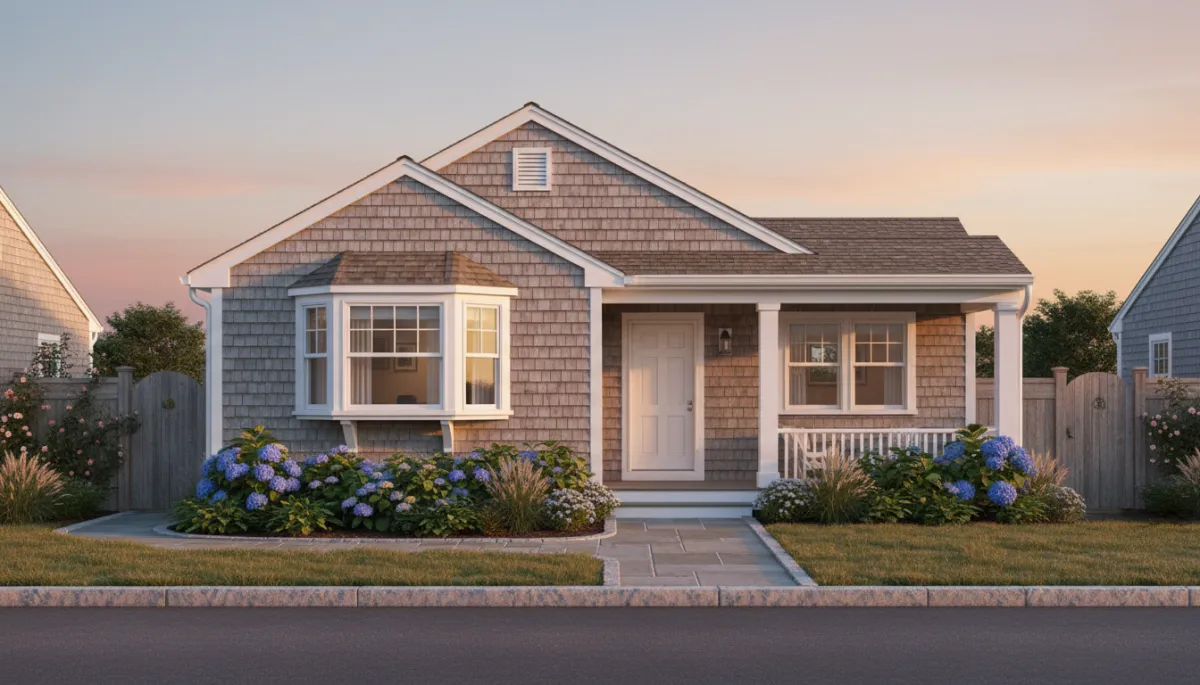
A smaller, easier home can free time and energy for the people and places you love.
Questions North Shore Downsizers Ask Most
Here are honest answers to questions you may already be asking yourself, or that your adult children may be asking from afar.
How do I know if I’m ready to downsize my North Shore home?
You are ready when the house feels heavier than it feels comforting. When you notice the work more than the memories. When you find yourself closing off rooms you rarely use, or worrying about stairs, storms, and what would happen if something big needed repair. Readiness is not about age. It is about whether this house still fits the life you are living now, not the life you had 20 years ago. If you feel both sadness and relief at the idea of moving, that is a sign you are in the real decision zone.
What is my North Shore home worth after owning it for 30 years?
The only precise answer comes from looking at actual recent sales near you, but long-term owners across Essex County have often seen hundreds of thousands of dollars in appreciation. That is especially true in coastal and walkable areas, where demand stays strong. To get a grounded starting point, you can use a North Shore home value estimate, then talk with a local expert who understands the nuances of your street, your condition, and your lot. The goal is not to guess high or low, but to understand your real options in this market.
Do I have to pay capital gains taxes when I sell a home I’ve lived in for decades?
You might, but not always. Many long-term owners qualify for the 250,000 dollar or 500,000 dollar capital gains exclusion on a primary residence, as long as they meet the IRS use and ownership rules. If your gain is higher than that, or if your situation is more complex, some portion may be taxable. Because this is deeply personal and can affect retirement plans, it is wise to review official IRS guidance and then sit down with a tax professional who can look at your numbers in detail before you list.
What are the best towns on the North Shore for downsizers who want to stay local?
It depends on what matters most to you. If you want walkability and harbor views, Rockport village, Beverly Farms, Manchester-by-the-Sea, and Newburyport offer smaller homes and condos close to shops and the water. If you want easier access to medical care and highways, Salem, Peabody, and Danvers can work well. If you love marsh views and open space, Essex and Ipswich offer a quieter pace with deep coastal character. You can compare options using tools that help you explore specific North Shore communities based on your priorities.
How do I help my parent sell a family home they’ve owned for 35 years?
Start by listening more than you talk. Ask what the house has meant to them, and what worries them about staying. Offer practical help instead of pressure. You might research downsizing North Shore MA resources, gather information on local 55+ options, or coordinate with move managers who specialize in senior moves. If you live out of state, regular video calls, shared checklists, and occasional in-person visits focused on sorting and planning can make a huge difference. You can also look to organizations like AARP for guidance on helping older adults downsize, and to Mass.gov for information on housing options for older adults in Massachusetts.
Final Thoughts: The Coastline Stays

Selling a home you have lived in for decades is not just another transaction. It is a threshold. You are closing a door you have locked a thousand times, often with the same key you have carried in your pocket since the kids were little. That deserves time, care, and honesty, not a rush to the finish line.
The North Shore has a way of holding on to you. The smell of low tide in Essex. The clang of halyards in Gloucester Harbor. The way Route 127 hugs the water on certain stretches between Beverly and Manchester. Whether you stay in the same town, move to a smaller place nearby, or shift closer to family somewhere else, this coastline does not disappear. It is still here when you visit, still part of your story, even if your mailing address changes.
You can let go of a house without losing yourself. You can honor every season you lived under this roof and still choose a new set of keys that fit your life now. And when you stand in that next kitchen, with fewer cabinets and maybe a better view, you may find there is more room for what matters most: people, time, and the steady presence of a coastline you know by heart.


