
AI Transforms Home Buying in North Shore MA
AI Certified Agent™ Insights, North Shore Massachusetts communities, AI home buying research
How AI Is Helping Home Buyers Research Communities Before They Move
How artificial intelligence is reshaping the way relocating buyers explore North Shore Massachusetts communities—before they ever set foot in town.
Researching North Shore Communities with AI
Exploring Ipswich, Gloucester, and beyond before you ever book a flight
On a snowy evening in Colorado, Emma and Daniel sat at their kitchen table, laptop open, kids finally in bed. They had never been to Massachusetts, but a job opportunity in Boston had them dreaming about a coastal life—somewhere on the North Shore, maybe Ipswich or Gloucester. The challenge: they needed to narrow down ten unfamiliar towns without hopping on a plane for multiple scouting trips.
Instead of juggling a dozen browser tabs, they opened an AI assistant and asked: “Compare Ipswich and Gloucester for a family with two elementary-age kids, one Boston commuter, and one remote worker. We care about walkability, schools, coastal access, and what it’s like in winter.” Within seconds, they had a conversational overview—commute scenarios, notes about Cape Ann’s working harbors, hints that Ipswich’s walkable town center feels very different from Gloucester’s busier, arts-driven waterfront. Over the next few weeks, they kept refining their prompts, asking about Manchester-by-the-Sea, Essex, Beverly, Salem, and Newburyport, until they had narrowed ten options down to three strong contenders—before booking a single flight.
This is what AI home buying research looks like in 2026: not just scrolling listings, but having a back-and-forth conversation about lifestyle, commute trade-offs, and community character. For buyers relocating to the North Shore, AI tools are changing how—and when—they fall in love with a community. The behavior shift is profound: more learning up front, fewer “mystery” trips, and far more clarity before you ever set foot on a North Shore sidewalk.
1. How Buyers Researched Communities Before AI: The Old Way
Not long ago, researching North Shore Massachusetts communities from out of state meant a patchwork of tools and guesswork. Buyers relied on:
MLS searches: Browsing listings to infer what a town might be like—price points, home styles, and days on market—but not necessarily understanding the community fabric behind the photos.
Generic Google searches: Typing “Is Ipswich MA nice?” or “Gloucester MA schools” and sifting through random blog posts, forums, and outdated articles with mixed credibility.
Asking friends and colleagues: Helpful when someone had firsthand experience, but many North Shore communities—like Essex or Manchester-by-the-Sea—are still “best-kept secrets” outside New England circles.
Multiple scouting trips: Flying in, renting a car, and trying to see Salem, Beverly, Ipswich, and Newburyport in a single weekend—often leaving more overwhelmed than informed.

Families now layer AI research on top of traditional tools to clarify their short list sooner.
These methods still matter, but they were time-consuming and often reactive. You discovered differences between Beverly and Rockport only after you had already driven through both. Now, AI gives buyers a way to ask nuanced questions before investing in airfare, hotels, and rental cars.
2. How AI Is Changing the Community Research Process
Today’s AI real estate tools—powered by platforms like OpenAI and integrated into consumer apps—allow buyers to research in a conversational, iterative way. Instead of manually comparing dozens of data points, you can describe your life and ask, “Where might we fit best on the North Shore?”
Conversational research: You can say, “We’re a remote-working couple who love walkable, historic downtowns and easy commuter rail access. Which North Shore Massachusetts communities should we explore?” AI can surface towns like Salem, Beverly, and Newburyport as starting points, then refine from there based on your feedback.
Instant comparisons: Instead of switching between ten tabs, you can ask, “Compare Ipswich, Essex, and Manchester-by-the-Sea for coastal access, housing prices, and commute options,” and receive a structured overview in seconds—then drill deeper into each town with follow-up questions.
Lifestyle matching: AI can blend hard data (commute times, median prices, population trends from sources like the U.S. Census Bureau) with qualitative descriptions (arts scenes, historic character, seasonal tourism) to suggest communities that “feel” right, not just look good on paper.
As an AI Certified Agent™, Kathleen uses these tools alongside traditional data and on-the-ground experience. The goal is not to let AI decide for you, but to use it as a smart filter—so by the time you come to tour, you’re walking through homes in the communities that truly align with your life.
3. Smart Questions Buyers Can Ask AI About North Shore Towns
The quality of your AI home buying research depends heavily on the questions you ask. Here are 10 practical prompts tailored to North Shore Massachusetts communities you can adapt and reuse:
“Compare Ipswich, Gloucester, and Rockport for coastal lifestyle, winter conditions, and typical commute times to Boston by car and commuter rail.”
“Describe what day-to-day life feels like in Beverly versus Salem for a family that enjoys walkable downtowns, restaurants, and arts events.”
“How do housing prices and types of homes generally differ between Essex and Manchester-by-the-Sea for buyers who want proximity to the water?”
“For a remote worker, what are the pros and cons of living in Rockport versus Newburyport in terms of quiet, walkability, and year-round amenities?”
“Explain the seasonal rhythm of Gloucester and Ipswich—tourist activity, traffic, and how busy the town feels in summer versus winter.”
“What kinds of community events, arts, and cultural activities are common in Salem, Beverly, and Newburyport throughout the year?”
“Using data from sources like the U.S. Census Bureau, summarize demographic and household trends on the North Shore and how they might shape schools and services.”
“Using Walk Score and similar tools, compare walkability in downtown Ipswich, downtown Salem, and downtown Beverly for errands and dining.”
“Outline a one-day scouting route to visit Ipswich, Essex, and Manchester-by-the-Sea by car, including sample stops that show different neighborhoods and waterfront areas.”
“What should a buyer relocating to North Shore MA know about flood zones, coastal weather, and insurance considerations when evaluating homes near the water?”

Combining AI insights with your own notes turns scattered research into a focused plan.
Use these as starting points, then keep refining. The most powerful AI sessions feel like a conversation—each answer sparks a more specific follow-up question, and gradually, your ideal North Shore community comes into focus.
4. Benefits of Doing Deep AI Research Before You Visit
For out-of-state buyers, especially those with limited time off or young children, the ability to narrow your list before traveling is invaluable. Thoughtful AI research offers several concrete advantages:
Saves time: Instead of trying to see eight towns in two days, you might arrive with a short list of three—say, Ipswich, Beverly, and Newburyport—that already align with your budget and lifestyle priorities. Your agent can then focus showings in those areas and fine-tune based on your in-person reactions.
Saves money: Fewer exploratory trips mean fewer flights, hotels, and rental cars. You can lean on AI and curated resources like an Ipswich community guide or Beverly community guide to do much of the early filtering from home.
Reduces overwhelm: The North Shore has many distinct pockets—Cape Ann, Salem-Beverly, the Merrimack River corridor. AI helps you understand those differences in advance, so your first visit feels like confirming a direction rather than starting from zero.
Clarifies trade-offs: AI can model commute scenarios using resources like the Massachusetts Department of Transportation and other traffic data: for example, comparing a Beverly-to-Boston rail commute with driving from Essex. Understanding those trade-offs early keeps you from falling in love with a town that doesn’t work for your daily life.
💡 Pro tip: Use AI to build a “short list dossier” for each town—summary, commute notes, lifestyle highlights, and questions to verify on your visit. Bring it with you when you tour.
5. Where AI Is Genuinely Helpful for North Shore Community Research
AI excels at synthesizing large amounts of information and presenting it in plain language. For relocating buyers, that can be transformative in several key areas:
Lifestyle fit: AI can describe the feel of a place based on tourism boards, local websites, and community descriptions. For example, drawing on resources like the Massachusetts Office of Travel and Tourism, it can explain that Rockport has a quieter, gallery-filled village vibe, while Salem offers more nightlife, festivals, and year-round tourism energy.
Community comparisons: AI can generate side-by-side summaries: Ipswich versus Gloucester for beach access, Manchester-by-the-Sea versus Essex for boating, Salem versus Beverly for restaurant scenes. These overviews help you see patterns quickly, then decide where to dig deeper with tools like the Gloucester community guide or Manchester-by-the-Sea community guide.
Commute scenarios: AI can estimate commute times, discuss typical traffic patterns, and outline options—commuter rail from Beverly or Salem, driving from Newburyport, or splitting the difference in a town like Ipswich. It’s not a substitute for real-time navigation apps, but it’s a strong starting point when you’re evaluating which towns are realistically commutable for your household.
Amenity research: AI can summarize the types of amenities you’ll find in each community: marinas in Essex and Gloucester, beaches in Ipswich and Manchester-by-the-Sea, museums and historic sites in Salem, riverside dining and boutiques in Newburyport. It can also point you toward official town websites and tourism resources to validate and expand on those lists.
AI can describe downtown character, but walking the streets yourself confirms how it feels.
When used thoughtfully, community research AI becomes a kind of pre-trip guide: helping you understand what each town is known for, what a typical day might look like, and how well that aligns with the life you’re hoping to build on the North Shore.
6. Where AI Can Be Wrong or Incomplete
As powerful as AI is, it has real limitations—especially when you’re making a major life decision like buying a home. A trusted, AI-informed approach starts with understanding where these tools can fall short:
Outdated or generalized data: AI models learn from past data and public sources. They might describe market conditions or demographics that have shifted since the last major update. For current pricing and trends, rely on up-to-date North Shore market reports and local MLS statistics rather than AI summaries alone.
No firsthand sensory feel: AI cannot tell you how the salt air smells on a March morning in Gloucester, how quiet a Rockport side street feels at night, or how lively Salem’s downtown is on a random Tuesday. Those impressions only come from being here in person, walking the neighborhoods, and talking with locals and your agent.
Missing hyperlocal nuance: AI might know that Ipswich has beautiful Crane Beach and a historic town center, but it may not capture the subtle differences between streets, school bus routes, or how certain neighborhoods handle winter storms. That nuance is where local expertise and on-the-ground experience matter most.
⚠️ Important: Treat AI outputs as educated drafts, not final answers. Always verify anything that could materially affect your decision—schools, zoning, flood risk, or commute feasibility.
7. Why Verifying AI-Generated Information Matters
In real estate, small inaccuracies can have big consequences. That’s why a responsible AI home buying research strategy always includes a verification step. Here’s how to ground your AI findings in trusted sources:
Official data: For population, income, and housing characteristics, consult the U.S. Census Bureau and Massachusetts state data portals. AI can help you interpret these numbers, but the raw data should come from official sources whenever possible.
Town and school websites: For school information, zoning, and local regulations, go straight to the official town and school district sites. AI can suggest what to look for, but policies and boundaries change, and only the official sources are authoritative.
Financial and consumer guidance: When assessing moving costs, mortgages, and budgeting, consult resources like the Consumer Financial Protection Bureau. AI can summarize concepts, but your financial decisions deserve guidance from established experts and your own advisors.
Local agents and firsthand visits: An AI Certified Agent™ like Kathleen can help you reality-check AI summaries against current market conditions, hyperlocal insights, and what she’s seeing with other buyers. Then, when you visit, you can confirm your impressions block by block, beach by beach.

Verification turns AI research from interesting ideas into reliable guidance for your move.
8. How AI Helps Buyers Compare Specific North Shore Communities
One of AI’s greatest strengths is quickly highlighting how different towns stack up for your priorities. Here’s how that might look across some of the North Shore’s most sought-after communities:
Ipswich: Known for Crane Beach, scenic marshes, and a historic town center, Ipswich offers a blend of rural feel and a compact downtown. AI can help you understand how its commuter rail access, beach culture, and housing stock compare with nearby towns—and guide you toward resources like an in-depth Ipswich community guide for finer details.
Beverly: With multiple commuter rail stops, a vibrant restaurant scene, and waterfront parks, Beverly often appeals to buyers who want both coastal access and an easy Boston commute. AI can contrast Beverly’s more urban-suburban mix with quieter places like Essex, then point you to the Beverly community guide for neighborhood-level insights.
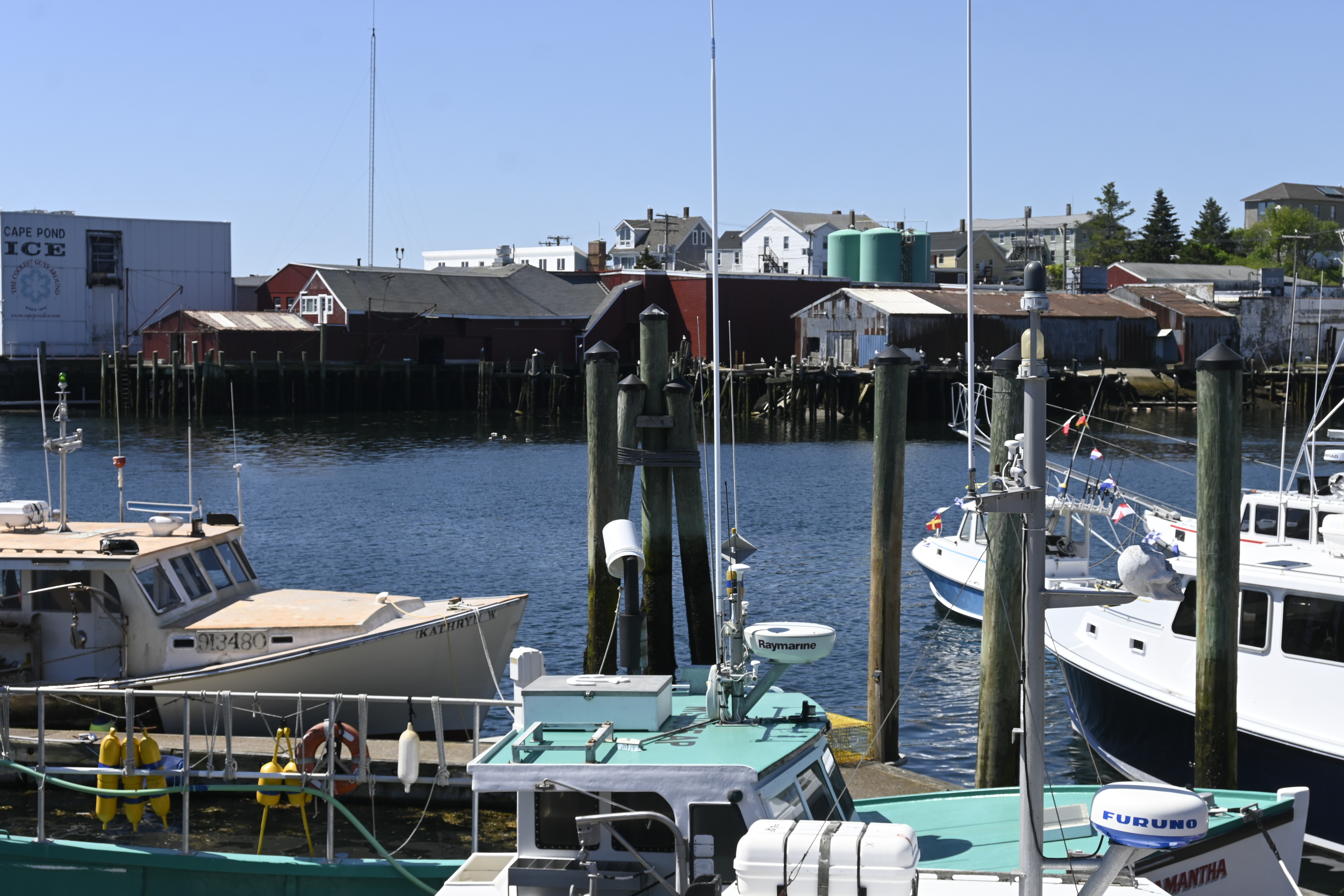
Gloucester: A working fishing port with beaches, a strong arts community, and year-round life, Gloucester feels distinct from many commuter-focused suburbs. AI can help you weigh Gloucester’s energy and cultural scene against commute length and seasonal tourism, then deepen your research with the Gloucester community guide.
Rockport: Smaller and quieter than Gloucester, Rockport is famous for its harbor views, art galleries, and village feel. AI can help you decide whether that slower pace suits your year-round lifestyle, and how it compares with other coastal towns using the Rockport community guide as a reference point.
Essex: Known for its marsh views, antique shops, and boating culture, Essex has a more rural, open feel. AI can contrast that with the denser, walkable downtowns of Salem or Newburyport, then steer you toward the Essex community guide to see how that character plays out street by street.
Manchester-by-the-Sea: With its picturesque harbor, Singing Beach, and charming village center, Manchester-by-the-Sea offers an upscale, small-town coastal feel. AI can help you compare its housing prices and commute options with other seaside towns, and the Manchester-by-the-Sea community guide can fill in the hyperlocal gaps.
Salem: Beyond its October fame, Salem is a year-round city with museums, restaurants, a university presence, and a busy commuter rail station. AI can explain how Salem’s density, diversity, and cultural scene differ from quieter towns—then you can dive deeper with the Salem community guide.
Newburyport: A historic port city at the mouth of the Merrimack River, Newburyport offers a walkable downtown, riverfront parks, and access to Plum Island. AI can help you compare its vibe and housing stock with Cape Ann or Ipswich, then you can find homes on the North Shore that match what you’ve learned.
AI won’t tell you which town you “should” choose—but it will help you see how each one lines up with your must-haves, nice-to-haves, and deal-breakers long before you’re standing on the sidewalk with a showing scheduled in ten minutes.
9. How AI Helps You Identify Lifestyle Fit: Coastal, Urban, Walkable, or Quiet
One of the most valuable roles of AI in community research is helping you articulate and match your lifestyle preferences. Instead of starting with town names, you can start with “who you are” and “how you live,” then let AI suggest communities that fit. For example:
Coastal vs. urban: If you say, “We want to be near the water and don’t mind a longer commute,” AI might surface Gloucester, Rockport, Ipswich, Essex, or Manchester-by-the-Sea. If you say, “We prioritize a shorter commute and more city energy,” it might emphasize Salem, Beverly, or Newburyport’s downtown core instead of more rural-feeling areas.
Walkable downtown vs. rural quiet: Using tools like Walk Score, AI can contrast the walkability of Salem or Beverly with the more spread-out, car-dependent pockets of Essex or rural Ipswich. That doesn’t make one better than the other—it simply helps you choose what best fits your daily rhythm.
Historic character and arts scene: If you’re drawn to historic architecture, galleries, and cultural events, AI can highlight communities like Salem, Newburyport, Rockport, and Gloucester, then connect you with local calendars and tourism sites so you can see how active the arts scene is throughout the year—not just in peak seasons.
💬 Try this prompt: “Here is a description of our lifestyle…” (then list your hobbies, work patterns, and preferences). “Based on this, which North Shore Massachusetts communities might be a good fit, and why?”
10. Future Trends in AI-Assisted Relocation Research
By 2026 and beyond, AI real estate tools are expected to become even more integrated into the home buying journey. Industry observers anticipate:
Smarter property matching: AI will not only recommend homes, but also explain why a specific listing in Ipswich or Beverly fits your patterns—proximity to your preferred coffee shops, trailheads, or commuter rail stations—based on your past behavior and stated preferences.
Immersive virtual experiences: Enhanced virtual and augmented reality tools will let you “walk” through a Newburyport street or explore Gloucester’s waterfront from your living room. Combined with AI narration, you’ll be able to ask, “What’s behind that building?” or “How far is this from the train?” in real time during the tour.
Predictive neighborhood insights: AI will increasingly analyze market trends, zoning changes, and regional planning reports to highlight emerging neighborhoods and long-term value considerations—building on trends already visible in North Shore market data and regional planning initiatives.

Future AI tools will blend maps, market data, and virtual tours into one seamless experience.
Even as these tools advance, the fundamentals remain: AI is best used as an assistant, not an authority. The most successful relocations will continue to combine data, digital exploration, and the irreplaceable experience of walking a neighborhood in person with a knowledgeable local agent.
Q&A: Common Questions About Using AI to Research North Shore Communities
Can AI help me choose a community to move to?
AI can absolutely help you narrow the field. It can suggest North Shore Massachusetts communities that align with your budget, commute, and lifestyle preferences, and explain how towns like Ipswich, Beverly, Gloucester, and Newburyport differ. However, it should not be the sole decision-maker. Use AI to create a thoughtful short list, then confirm your direction through official data, conversations with an experienced local agent, and in-person visits before making an offer.
What questions should I ask AI when researching neighborhoods?
Focus on questions that combine facts and lifestyle: “Compare commute options from Salem and Beverly to downtown Boston,” “Describe what winter is like in Gloucester versus Ipswich,” “How walkable is downtown Newburyport for groceries and dining?” and “What types of housing stock are common in Essex and Manchester-by-the-Sea?” Start broad, then ask follow-up questions that reflect your specific priorities—schools, parks, arts, or access to nature.
Can AI tell me about local amenities and lifestyle in North Shore towns?
Yes, to a point. AI can summarize common amenities—beaches, marinas, restaurants, cultural sites—based on tourism boards, town websites, and other public sources. It can explain that Ipswich is known for Crane Beach, that Salem has a strong museum and festival scene, or that Essex is popular for boating and antique shops. Still, you should verify specific venues, hours, and current offerings through official websites and recent reviews, as businesses and events can change over time.
Is AI accurate when researching neighborhoods?
AI is generally accurate at a high level—especially when summarizing long-standing characteristics of a community or drawing from reputable sources like the U.S. Census Bureau. However, it can miss recent changes, misinterpret nuance, or present outdated market conditions. Think of AI as a well-read assistant: helpful and fast, but not infallible. Always cross-check critical information with official data, recent North Shore market reports, and a local agent’s current experience in the field.
What information should always be verified with a local expert or official source?
Verify anything that could significantly impact your daily life or long-term investment: school assignments and performance, flood zones and insurance requirements, zoning and permitted uses, current property taxes, and realistic commute times during your actual working hours. Use AI to generate a list of these items, then confirm each one through town halls, school district websites, transportation authorities, and your agent’s local knowledge before you finalize decisions.
How can AI help with relocation planning and timeline?
AI can help you outline a relocation plan: estimating moving costs, suggesting when to start mortgage pre-approval, and building a timeline for research trips, home tours, and closing. It can also point you toward financial education resources like the Consumer Financial Protection Bureau so you can understand budgeting, loan options, and closing costs. From there, your lender, agent, and financial advisor can refine the plan based on your specific situation and the current North Shore market environment.
Can AI compare two communities side by side?
Yes, and this is one of its most useful features. You can ask, “Compare Salem and Newburyport for walkability, housing prices, and family-friendliness,” or “Compare Gloucester and Manchester-by-the-Sea for boating, beaches, and commute options.” AI can quickly outline similarities and differences, giving you a clear framework for follow-up research and in-person exploration. Just remember that side-by-side comparisons are a starting point—you’ll still want to experience each community firsthand before making a final choice.
What are the limits of AI when researching a place I’ve never visited?
AI cannot feel what you feel when you walk down a street. It can’t sense whether you relax the moment you see Ipswich’s marshes, or whether you light up in Salem’s bustling downtown. It also can’t fully capture micro-differences between neighborhoods, the vibe at the local coffee shop, or how a community responds in a winter storm. That’s why an AI Certified Agent™ like Kathleen uses AI as one layer—alongside detailed local guides, showings, and your own reactions—rather than a replacement for real-world experience.
Final Thoughts
For buyers considering a move to the North Shore of Massachusetts, AI has changed what’s possible before you ever step on a plane. You can explore Ipswich’s beaches, Gloucester’s harbor culture, Beverly’s commuter convenience, Rockport’s quiet beauty, Essex’s open marshes, Manchester-by-the-Sea’s intimate coastal village, Salem’s urban energy, and Newburyport’s historic riverfront—first on screen, then in person—with far more clarity than previous generations of buyers enjoyed.
Used wisely, AI home buying research is a powerful ally. It helps you ask better questions, compare communities more thoughtfully, and arrive on the North Shore with a focused, realistic short list. Yet it is only one part of a complete picture. Official data, local expertise, and your own senses—how a town sounds, smells, and feels—remain essential to choosing a place that truly feels like home.
As tools continue to evolve, the most successful relocations will blend innovation with human insight: AI for breadth, local knowledge for depth, and your own experience walking the streets, visiting the beaches, and imagining your life here on the North Shore. When those pieces come together, your move becomes more than a transaction—it becomes a well-informed, confident step into the next chapter of your life.


